
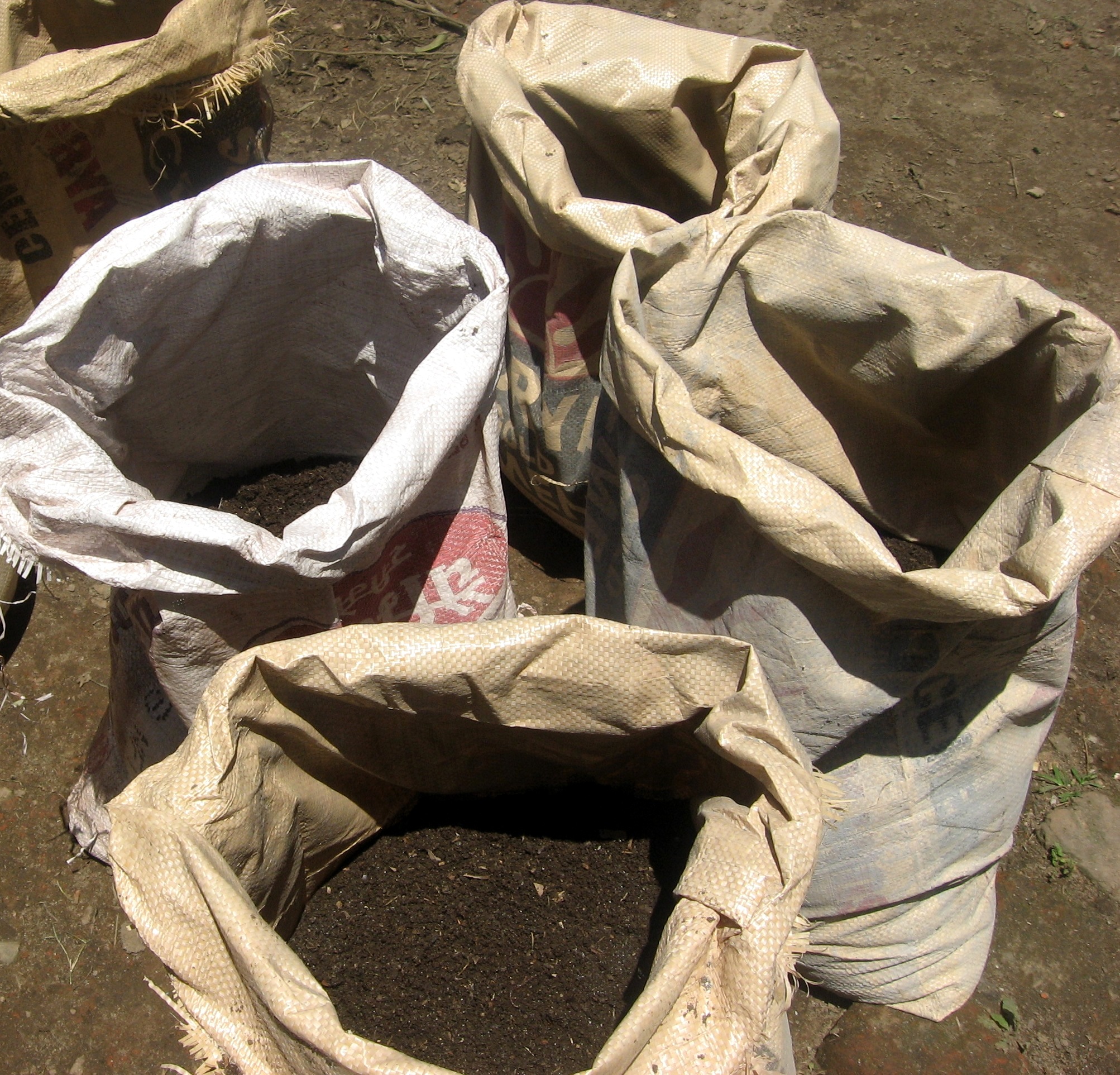
Azmatpur, a village in Jangalia union of Kaliganj upazila in Gazipur, was becoming known in October 2025 for vermicompost, an organic fertiliser made with earthworms. Jagonews24 reported on 19 October 2025 that the change was started by local farmer Kamruzzaman Sheikh as an alternative to chemical fertiliser, and that his small unit was then marketing more than a tonne of vermicompost a month.
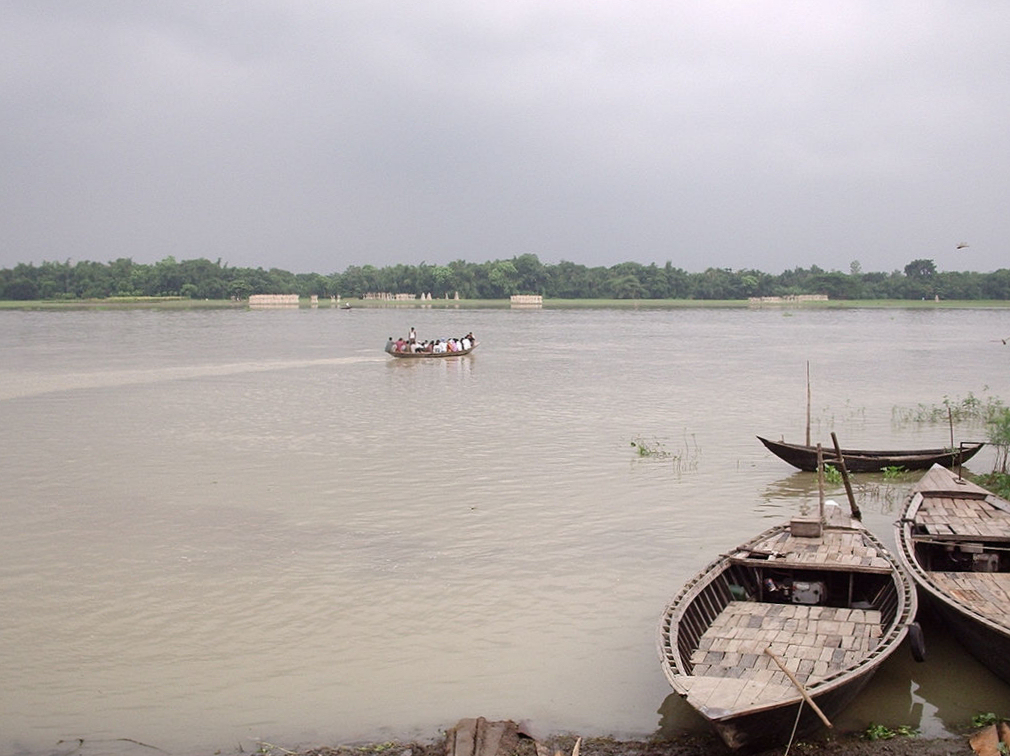
Kaliganj is an upazila of Gazipur district in Dhaka Division, covering 214.63 square kilometres. It is made up of a municipality and seven union parishads, Jangalia among them, and had 310,956 people at the 2022 census. The Shitalakshya river is one of its main water bodies.
Started with help from the agriculture office
Kamruzzaman began producing vermicompost in the 2023-24 fiscal year on the advice of the upazila agriculture office, at first because he needed organic fertiliser for his own land. The office gave him 10 rings, a vermicompost house, the earthworms he needed and training.
His results drew in his neighbours. Shefali Begum, Fazlul Haque Morol, Motalib Bepari, Billal Hossain, Mostafa, Mohsin Sheikh, Md A Sattar, Md Mojibur Morol, Nilufa Yasmin and Farzana Akter were among the farmers in the same union who went into commercial production. The agriculture office said new farmers under the project had been given a vermicompost separator machine, polybags and a sealing machine.
From cow dung to packed fertiliser
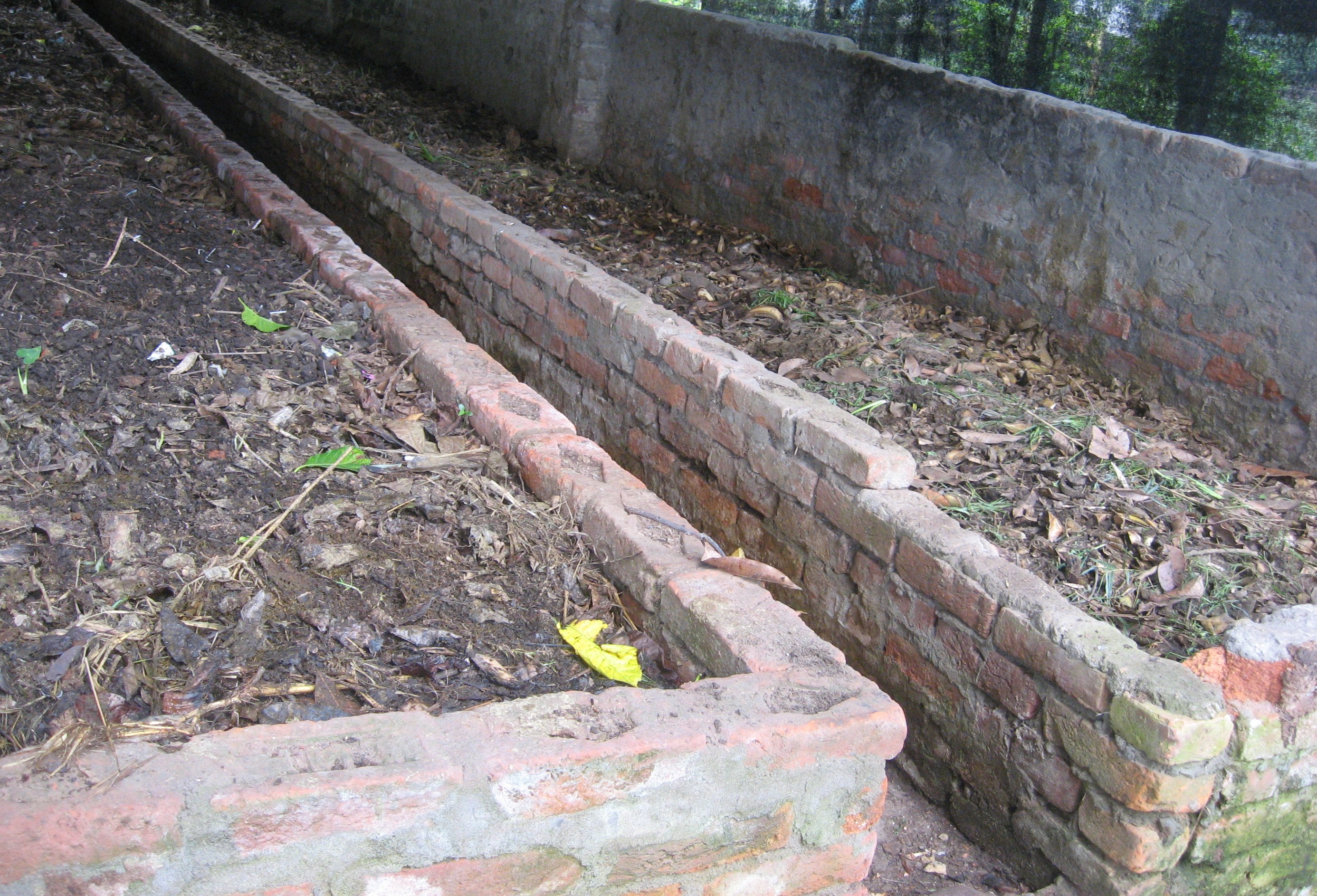
The unit stood on unused land next to Kamruzzaman's house: 10 rings and a cement house about 10 feet long. Cow dung was first left for five to seven days to release its gas before earthworms were added, and the fertiliser was ready in about 35 to 40 days. It was then dried, packed and sold, including through local chemical fertiliser shops.
"At first I made organic fertiliser for my own use, but now it is one of my main sources of income," Kamruzzaman Sheikh said. "Each kilogram sells for Tk 15-20. Because demand is high, selling it is not hard. The earthworms are now sold separately too, at Tk 1,500 to 2,000 a kilogram."
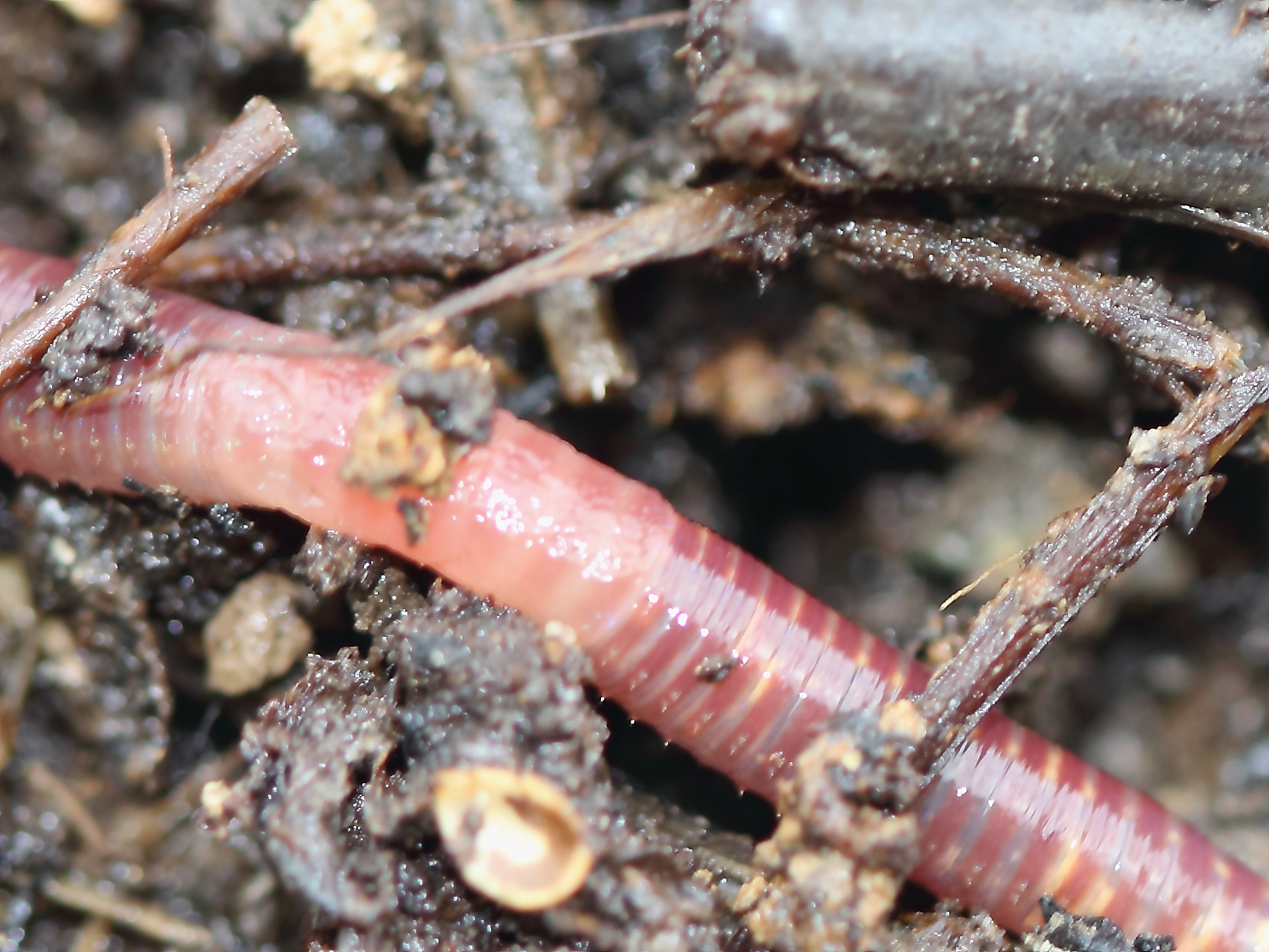
Vermicompost is the product of organic waste broken down by worms. Their castings make a nutrient-rich organic fertiliser and soil conditioner. The species used most often is the red wiggler, Eisenia fetida, a worm that lives in manure and rotting organic matter rather than ordinary soil. Vermicompost made from manure has lower salinity and a more neutral pH than the manure itself.
What officials said
Local people said that if the trend continued, the whole of Azmatpur would one day become a "vermicompost village".
"Building on Kamruzzaman's initiative, we have also trained new farmers," said Agriculturist Farzana Taslim, Kaliganj upazila agriculture officer. "Vermicompost plays an important role in raising soil fertility, reducing salinity and cutting crop production costs. Compared with chemical fertiliser, it is safe and environmentally friendly."
Md Rafiqul Islam Khan, deputy director of the Department of Agricultural Extension (DAE) in Gazipur, said vermicompost was an effective, environmentally friendly organic fertiliser that reduces dependence on chemical fertiliser, raises crop output and helps protect soil health.
Dr Md Akram Hossain Chowdhury, director of the project to set up family nutrition gardens on uncultivated fallow land and homesteads (second revision), said the project was ending that fiscal year, so there was no scope for new demonstrations. Interested farmers who kept in regular touch with the agriculture office, he said, might get opportunities under another project in future.
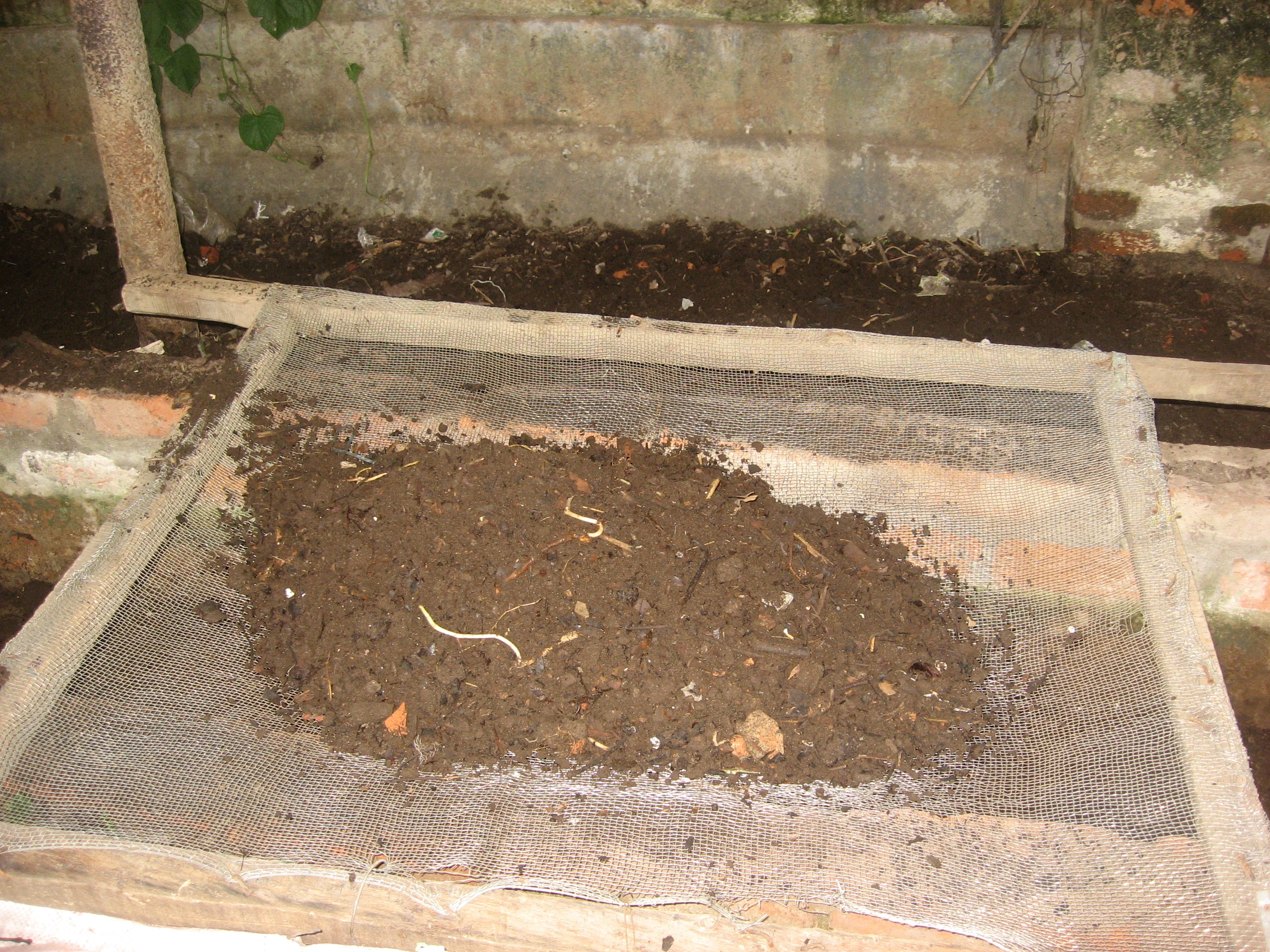
Photo: মৌচুমী / Wikimedia Commons (CC BY 3.0)
Sources: Jagonews24, Business Bangladesh, Wikipedia (Vermicompost, Eisenia fetida, Kaliganj Upazila)
Comments
(0)