

Bengal's history cannot be written without its rivers, which are bound up with our lives, livelihoods and gatherings. Kaikartek Haat in Narayanganj, on the bank of the Brahmaputra, is such living history, standing for generations as a witness to Bengal's trade and heritage.
A market for rural life
Every Sunday, traders and buyers gather here from Narayanganj, Munshiganj, Cumilla, Narsingdi and further afield. Vegetables, crops, seedlings and seed, ducks and chickens, pigeons, bamboo cages, fishing nets, knives, boti and spades: almost everything rural life needs can be found here.
Heritage that survives
Many items from the 1980s and 1990s, lost from city life, survive in this market. In the monsoon a boat market is held here, and in winter the scene changes. A centuries-old banyan tree, the famous puta sweets and the life stories of people like Mojibor Hossain make Kaikartek Haat not just a place to buy and sell but an address of our roots.
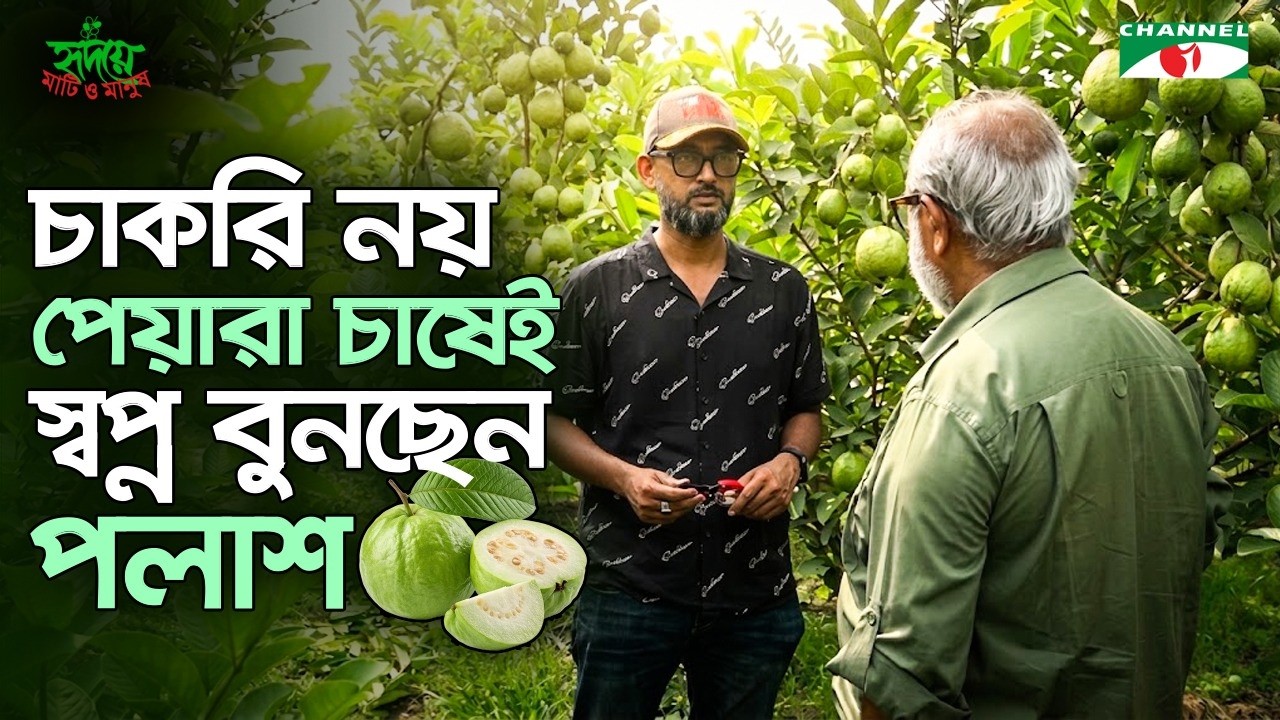
This episode of Hridoye Mati O Manush tells the story of a historic Bengal market standing on the bank of the Brahmaputra.
Source: Shykh Seraj, Hridoye Mati O Manush. First published in Bengali on The Agro News.

Comments
(0)