
Farmers in Jhenaidah, a district in south-western Bangladesh, were growing avocado, rambutan, longan and grapes, fruits the country usually imports, and in July 2025 several of them said the trial plantings had turned into harvests worth selling. Jagonews24's district correspondent reported on 4 July 2025 that the fruit was being sold in Dhaka, Chattogram and other cities after local demand had been met, and that farmers who began on a trial basis were turning to commercial cultivation.
According to the report, grape cultivation that year had been striking in Kaliganj, Kotchandpur, Maheshpur, Harinakunda and Sadar upazilas. Farmers who first planted grapes as a hobby were moving towards commercial planting after good yields, and some had harvested bumper crops of grapes and avocado on land that had been lying fallow. The growers said they had planted these foreign fruits as an experiment; when the trees and vines bore well, the experiment began to look like a new opportunity for the district.
The Department of Agricultural Extension (DAE) office in the district gave the area figures for the 2024-25 season: 1 hectare under rambutan, 2 hectares under avocado and 2.25 hectares under grapes, all of it described as trial cultivation. The deputy director of the DAE in Jhenaidah said the soil of every upazila had a special quality and that trial plantings were turning into commercial ones.
Avocado in Kaliganj: five years to the first harvest
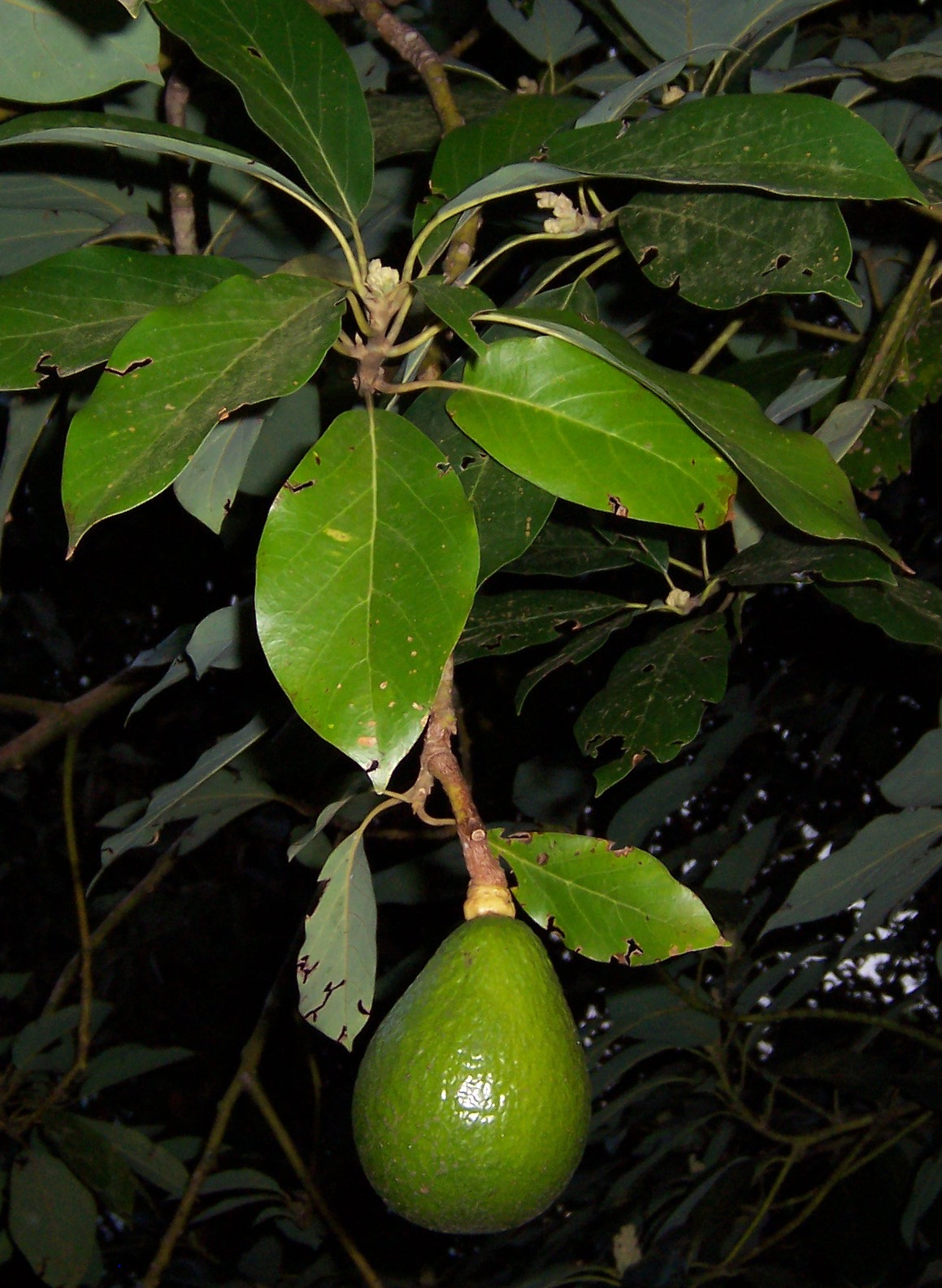
The report's first example came from Chachra village in Kaliganj upazila, where agricultural entrepreneur Shahinur Rahman had planted avocado on 3 bighas of land. About five years after the saplings went in, the trees were carrying clusters of fruit.
"In 2019 I brought avocado saplings from Thailand through an agriculture officer and planted them in my orchard. At first people laughed at me. But after five years my trees bore their first fruit. Production was low in the first year. This year the yield has been excellent, and every tree is carrying plenty of avocados," he told Jagonews24.
He described two markets for the fruit. "Demand for avocado is not high in the local market, but it is huge in restaurants in big cities including Dhaka and Chattogram. In the local market it sells for Tk 500 to 600 a kg, but Jhenaidah avocados can be sold to traders from Dhaka and Chattogram at an average of Tk 800 a kg," he said.
A wait of several years before the first crop is normal for the tree. The horticulturist Julia F. Morton, in her reference work Fruits of Warm Climates (1987), notes that avocado seedlings begin to bear in four or five years and that a tree can go on bearing for 50 years or more; growers use grafted plants, she writes, because vegetative propagation is essential to early fruiting and to keeping a desirable variety true.
What the avocado is and why pollination matters
The avocado (Persea americana) is an evergreen tree of the laurel family. Morton writes that it may have originated in southern Mexico and was cultivated from the Rio Grande to central Peru long before Europeans arrived; it reached the Philippines near the end of the 16th century and India in 1892, where it was grown especially around Madras and Bangalore. The fruit is a single-seeded berry. It does not ripen while it hangs on the tree: picked full-grown and firm, it ripens in one to two weeks at room temperature.
Morton describes the tree as versatile in its choice of soil, from red clay and sand to lateritic soils and limestone, with a generally preferred pH of 6 to 7. Its one firm requirement is good drainage: the tree cannot stand excessive soil moisture or even temporary waterlogging, and the water table should be at least 3 ft (0.9 m) below the surface. Strong wind dries the flowers, interferes with pollination and makes fruit drop, so windbreaks are needed in exposed places.
Pollination is the avocado's best-known difficulty. Many isolated trees fail to fruit for lack of it, Morton notes, and commercial growers match varieties whose flowers receive pollen at different hours of the day so that each tree has a compatible partner. Bangladesh's own extension officers have given the same advice. In a Daily Star report of 24 September 2018, the deputy director of the Chapainawabganj Horticulture Centre of the DAE said avocado saplings needed to be planted in groups of four to six, because otherwise yields would be poor for pollination reasons, and that for commercial purposes it was best to plant more than eight trees on the same plot.
The same 2018 report described one of the first commercial avocado growers in the country, a farmer in Buzruk Shorka village of Shibganj upazila in Bogura, who had planted two grafted saplings in 2000 and harvested his first fruit in 2006. The Chapainawabganj officer said that in the preceding few years farmers had begun growing avocado commercially in Chapainawabganj, Dinajpur, Narayanganj and Bogura, and that about 500 avocado seedlings were being produced at the Nurbagh Model Horticulture Centre in Gazipur under the DAE's Year-Round Fruit Production for Nutritional Improvement project, for distribution through district horticulture centres.
Longan, the "kathlichu", and a plan for rambutan
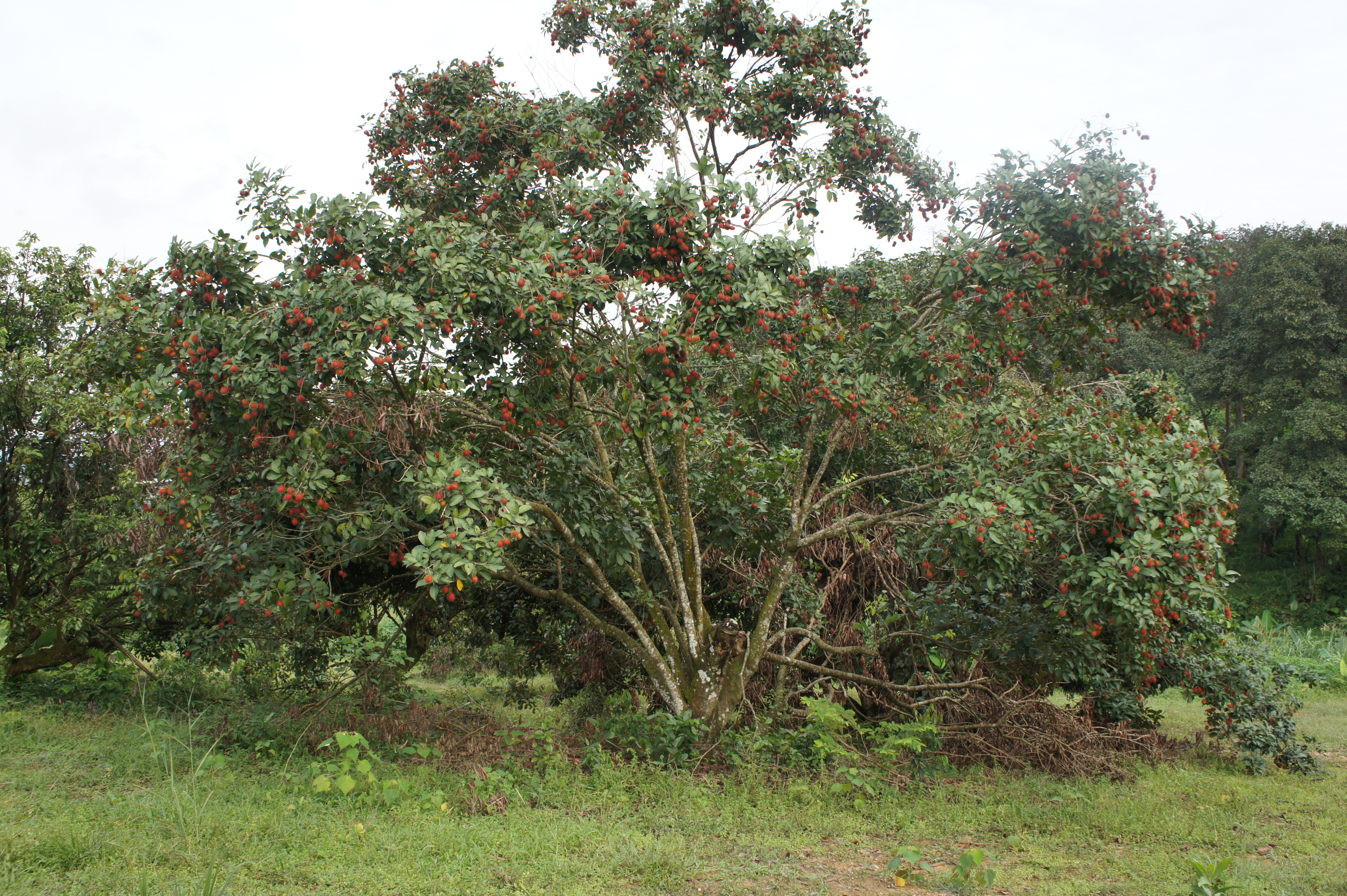
Also in Kaliganj upazila, Hafizur Rahman, an agricultural entrepreneur and schoolteacher, had planted longan, known locally as kathlichu, and had earned well from the season's sales, the report said. "Longan is a foreign fruit. It costs little to grow; it just needs care. It does not need much chemical fertiliser or pesticide. I plan to grow rambutan and several other foreign fruits in future," he said.
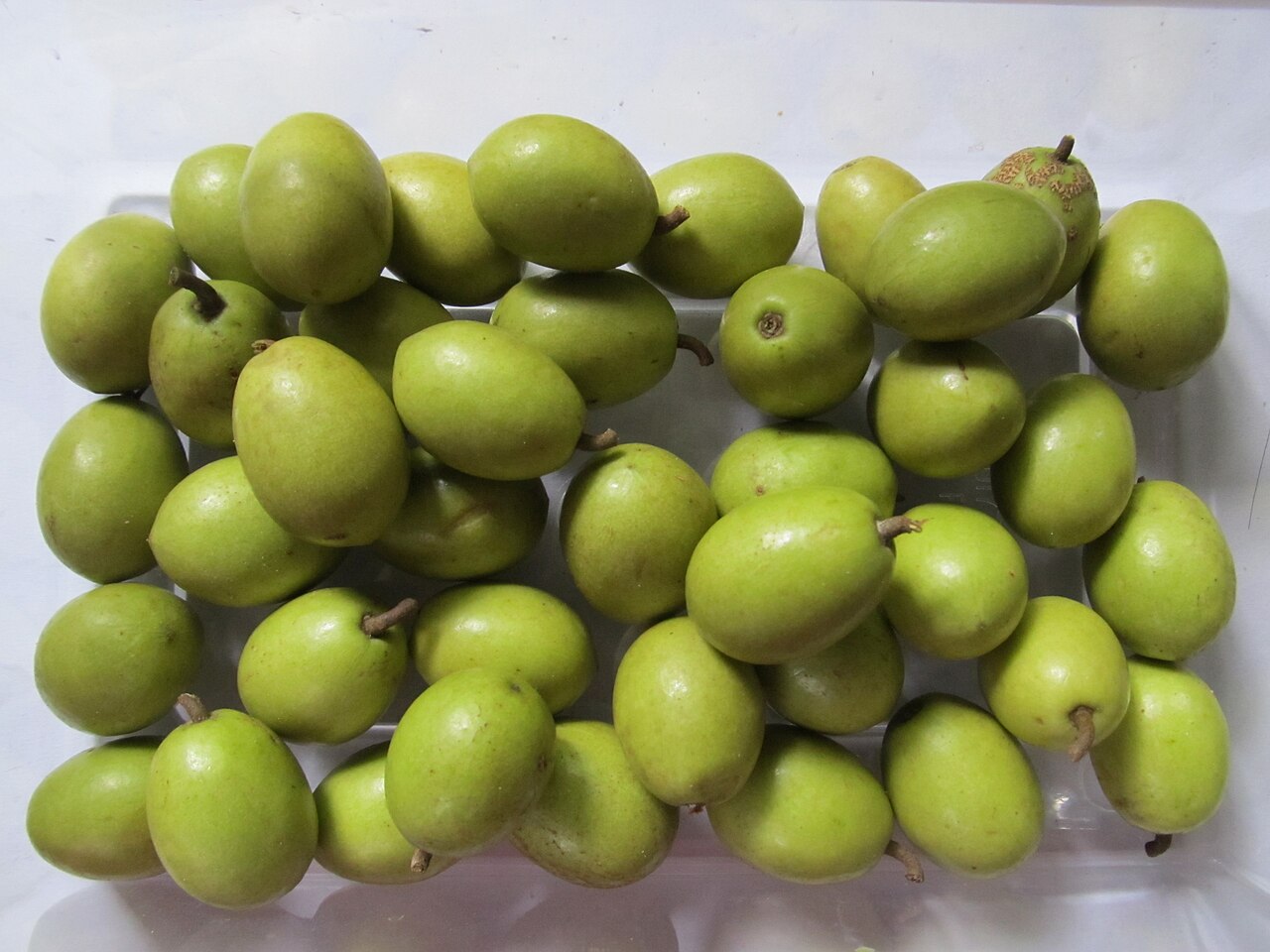
The longan (Dimocarpus longan) belongs to the soapberry family, Sapindaceae, with the lychee and the rambutan. Morton describes it as native to southern China and notes Indian accounts that it is also native to the forests of upper Assam and the Garo hills and is cultivated in Bengal as an ornamental and shade tree. Its fruits hang in drooping clusters, round and about 1.25 to 2.5 cm across, with a thin yellow-brown rind, translucent white flesh and a shining black seed with a white spot, which gives it the English name "dragon's eye". The tree thrives best on rich sandy loam, needs an adequate water supply, can stand brief flooding but not prolonged drought, and usually bears later in the year than the lychee. Longans are much eaten fresh; in China, Morton notes, most of the crop is canned in syrup or dried, and the dried flesh is used to make a refreshing drink.
The fruit has been studied in Bangladesh for years under its Bengali name anshphal. Scientists of the Bangladesh Agricultural Research Institute (BARI) published a study in the Bangladesh Journal of Agricultural Research in September 2012 on fifteen promising longan lines, 12-year-old trees growing at the fruit research farm of BARI's Horticulture Research Centre in Joydebpur, Gazipur, including two released varieties, BARI Anshphal-1 and BARI Anshphal-2. The edible portion of the fruit ranged up to 76.57 per cent in the best line, BARI Anshphal-1 had the highest vitamin C content (13.00 mg per 100 g), and the authors rated BARI Anshphal-1, BARI Anshphal-2 and four other lines as the best for fruit quality.
Rambutan: a fruit of the humid tropics
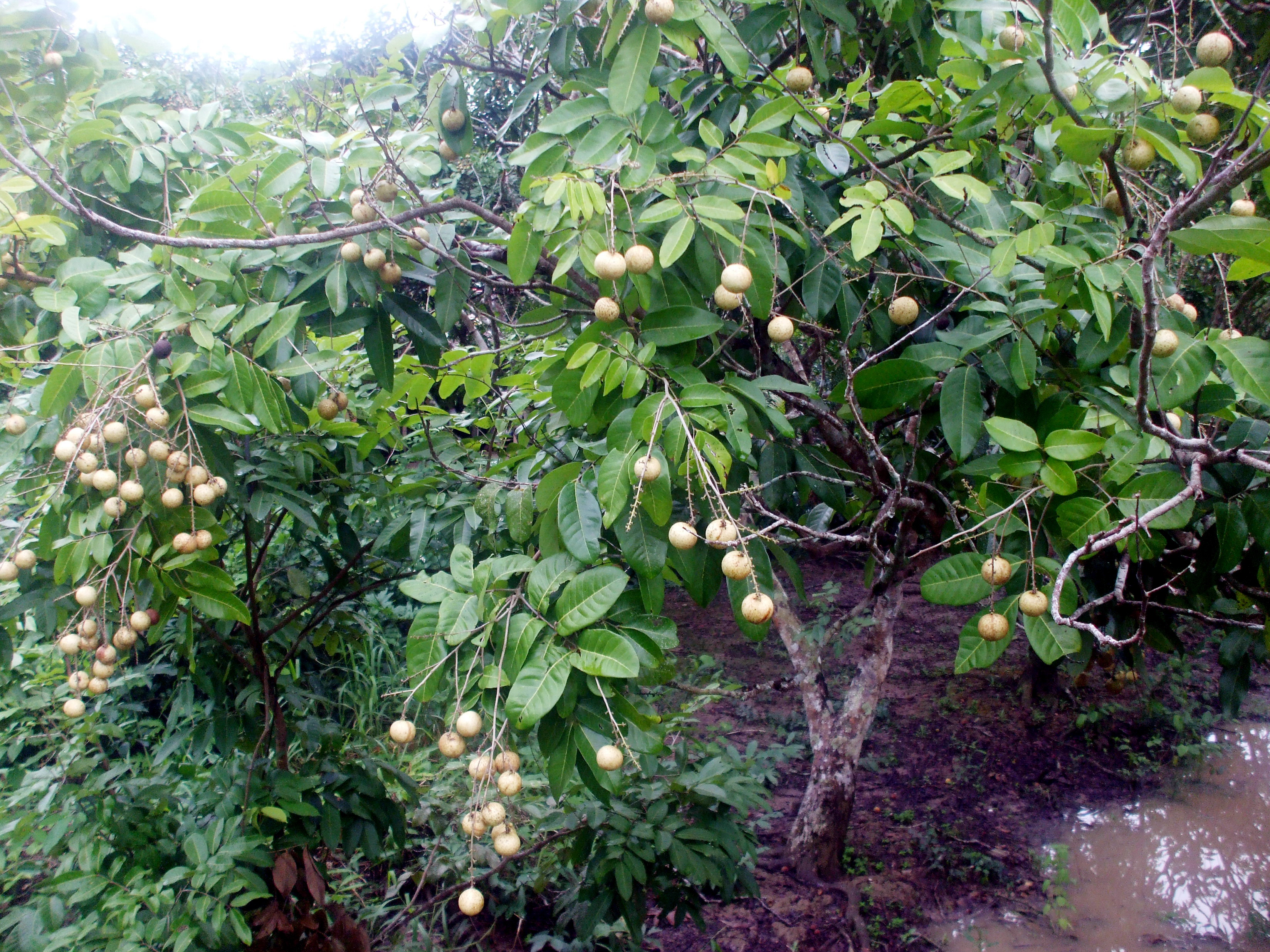
Rambutan, the fruit Hafizur Rahman planned to try next and which farmers in Kaliganj and Kotchandpur were already growing on a trial basis, is another relative of the lychee. Its name comes from the Malay word rambut, meaning hair, after the soft spines that cover its red or yellow rind. Morton gives its home as Malaysia and the surrounding archipelago, where the tree grows 15 to 25 m tall.
Morton describes it as a tree of humid tropical regions with well-distributed rainfall, where the dry season should not last much more than three months; it does best on deep clay-loam or rich sandy loam with plenty of organic matter and good drainage, and it needs shelter from strong winds during flowering and fruiting. Seedlings take five to six years to bear, and many of them turn out to be male trees that bear no fruit, which is why growers propagate the rambutan vegetatively, by grafting or budding, rather than from seed. The picked fruit is perishable: Morton notes it must reach local markets within about three days before it starts to shrivel. In Malaya, she writes, the tree generally fruits twice a year, a main crop in June and a smaller one in December, while in the Philippines the fruit matures from July to October.
The fruit has been tried in Bangladesh for more than two decades. The Daily Star reported on 7 May 2013 that the Germplasm Centre of Bangladesh Agricultural University (BAU) in Mymensingh had released four foreign fruits to farmers in recent years, a rambutan from Indonesia among them. The centre's director said it had collected these varieties in 1999, had started producing saplings in 2007 and had distributed most of the 10,000 saplings it produced; he said the fruits were harvested between May and November, when few local fruits were in the market.
Grapes spread across three upazilas
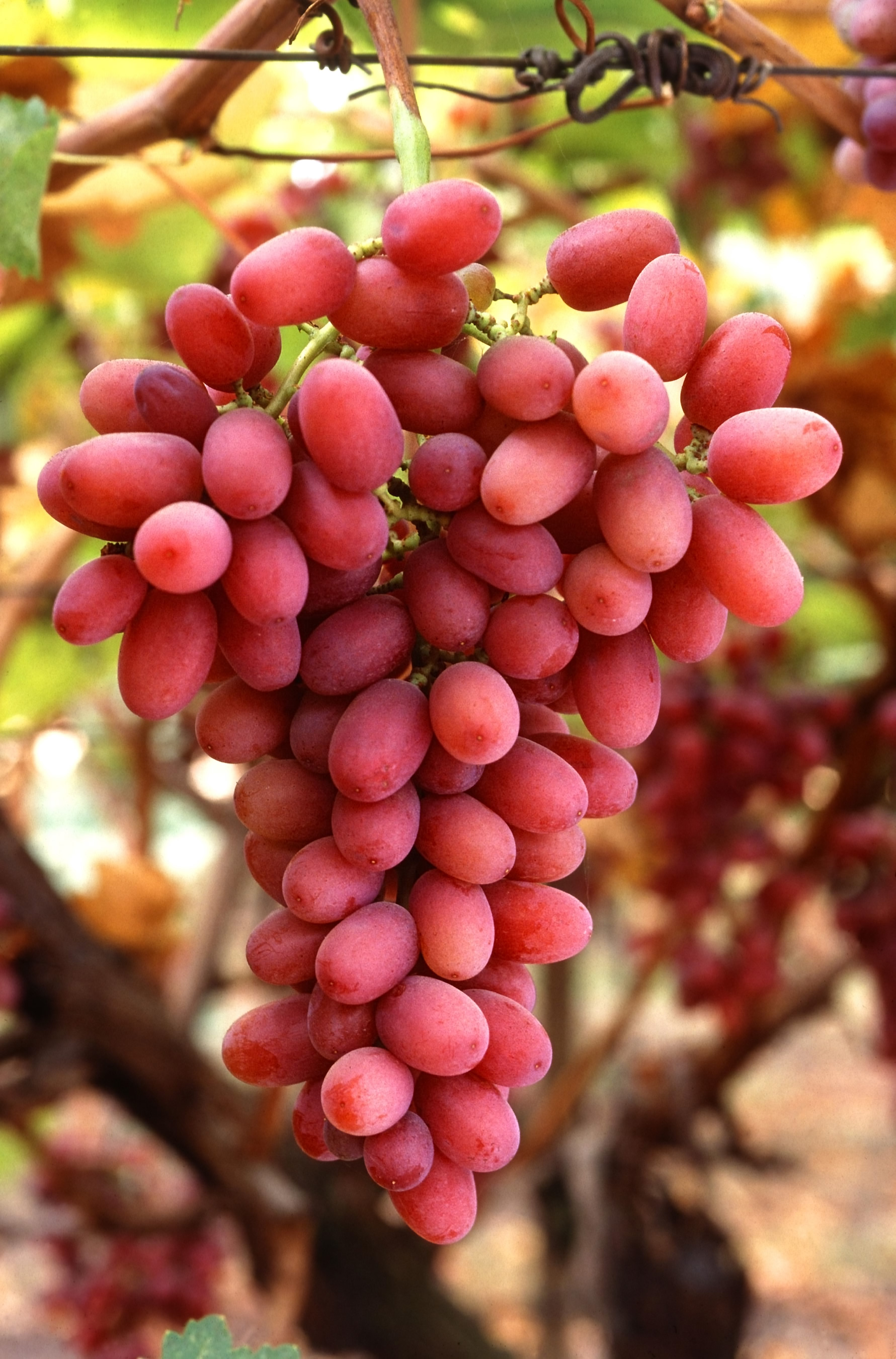
Grapes accounted for most of the trial area in Jhenaidah. The report said grape growing had increased in Maheshpur, Harinakunda and Sadar upazilas, where coloured varieties were being grown alongside green ones. Ariful Islam, a grape grower from Betai village in Sadar upazila, said he had succeeded with grapes on a trial basis and planned to expand the following year.
Abdur Rashid of Maheshpur upazila described a larger vineyard. "This year I grew grapes on 3 bighas. I built the orchard by planting saplings of at least 12 foreign grape varieties. Because of the different varieties I have had good yields of brown, red and green grapes, and the price has been good too. Alongside growing grapes, I aim to produce quality saplings," he said.
Grapes in Jhenaidah were not new in 2025, but they had grown from a very small base. The Daily Star reported on 26 August 2022 that a grower in Jugihuda village of Maheshpur upazila had first failed with poor-quality saplings bought at a local market and had then succeeded with plants from a supplier in India, growing Sonaka, an Indian green variety. In that report the DAE's deputy director in Jhenaidah said 0.15 hectares of land in the district were being used for grape farming that year, and a principal scientific officer of the Jashore Horticulture Centre described Sonaka as a very good quality green grape, very sweet but with a few small seeds. By the 2024-25 season the district office was counting 2.25 hectares of trial grape cultivation.
The cultivated grape (Vitis vinifera) is a woody vine native to the Mediterranean region, Central Europe and south-western Asia. Thousands of varieties exist, though only a few matter commercially for table grapes and wine; grapes are eaten fresh or dried into raisins, and domesticated vines carry flowers that are both male and female, so a single vine can set fruit on its own.
What the district agriculture office counted
The DAE's district figures for the 2024-25 season, as Jagonews24 reported them, were:
- Rambutan: 1 hectare in the district, grown on a trial basis by farmers in Kaliganj and Kotchandpur upazilas.
- Avocado: 2 hectares in the district, in Kaliganj, Kotchandpur and Harinakunda upazilas, with the largest area, 1.75 hectares, in Kaliganj.
- Grapes: 2.25 hectares of trial cultivation in five upazilas: 0.44 hectares in Sadar, 0.55 in Kaliganj, 0.31 in Kotchandpur, 0.66 in Maheshpur and 0.29 in Harinakunda, all of various foreign varieties.
Sasthi Chandra Roy, deputy director of the DAE in the district, said: "The soil of every upazila in Jhenaidah has a special quality. Farmers are profiting by growing various foreign fruits in it. Farmers started on a trial basis, but after success it is turning into commercial cultivation. You could call it a great revolution in our agriculture. If cultivation of foreign fruits grows, dependence on fruit imports will fall. Farmers will benefit and foreign currency will be saved."
The areas were small. A district that had 842 hectares under dragon fruit in 2023, according to DAE figures reported by The Daily Star in October 2023, had only a few hectares under these newer fruits. All three crops were still counted as trial cultivation in the district, and the upazila agriculture offices are the place where farmers can get advice on varieties and planting material.
Jhenaidah: a district of six upazilas and many fruit orchards
Jhenaidah lies in Khulna Division and covers 1,964.77 square kilometres, according to Banglapedia, the national encyclopedia of Bangladesh. It borders Kushtia to the north, Jashore and the Indian state of West Bengal to the south, Rajbari and Magura to the east and Chuadanga and West Bengal to the west. Its six upazilas are Jhenaidah Sadar, Kaliganj, Kotchandpur, Maheshpur, Shailkupa and Harinakunda; its rivers include the Gorai, Kumar, Nabaganga, Chitra, Bhairab, Kobadak, Betna and Kaliganga. A police outpost set up early in British rule became a thana in 1793 and a subdivision in 1862, and Jhenaidah became a district in 1984. Agriculture is the main source of income for 67 per cent of the people.
Kaliganj, the upazila where both the avocado and the longan growers in the report farmed, covers 310.19 square kilometres between Jhenaidah Sadar to the north and Jashore Sadar and Chaugachha to the south, with the Chitra, Bhairab and Begabati rivers. Banglapedia lists mango, jackfruit, banana, black berry, star apple, litchi, guava and date as its main fruits, and banana, betel leaf, pulses, date molasses and vegetables among its exports.
The district already has an established fruit economy. The Financial Express, citing DAE figures, reported in March 2021 that mango had been grown on 2,882 hectares in the six upazilas in the 2019-20 financial year, with a harvest of 37,902 tonnes, in varieties including Himsagar, Langra and Amrapali. Dragon fruit had spread even faster: The Daily Star reported on 11 October 2023 that, according to the Jhenaidah DAE, the area under the fruit had grown to 842 hectares across all six upazilas in 2023, from 203 hectares in 2022 and 151 hectares in 2021, and that a wholesale dragon fruit market had opened in July 2023 at Gourinathpur in Maheshpur upazila.
Imported fruit and the national push for new crops
Avocado and rambutan were among the fruits Bangladesh imported at the time. United News of Bangladesh reported in February 2025 that, according to the Bangladesh Fresh Fruits Importers Association, Bangladeshi traders imported 38 varieties of fruit from 22 countries, with apples, malta, oranges, grapes and pineapples making up 95 per cent of imports and the remaining 5 per cent including pears, kinnow, avocados, rambutans and kiwis. The report said Chattogram port statistics showed 589 million kg of fruit imported in FY2023-24, against 822 million kg in FY2021-22, after customs duties on imported fruit rose from 89.32 per cent in FY2021-22 to 113.80 per cent in FY2022-23. Red and black grapes were selling at Tk 550 to Tk 600 a kg in Dhaka markets at the time.
Growing foreign fruit at home has been government policy for some years. Prothom Alo reported on 12 January 2019 that, by the agriculture ministry's count, Bangladesh grew 72 species of fruit, against 56 a dozen years earlier, and that research was under way to adapt 12 more. The DAE's Year-Round Fruit Production for Nutritional Improvement project, the paper said, was concentrating on producing saplings of improved varieties, and cultivation of dragon fruit, avocado, rambutan, strawberry and several other fruits was increasing quickly. The same report gave the country's fruit output that year as 12.1 million tonnes.
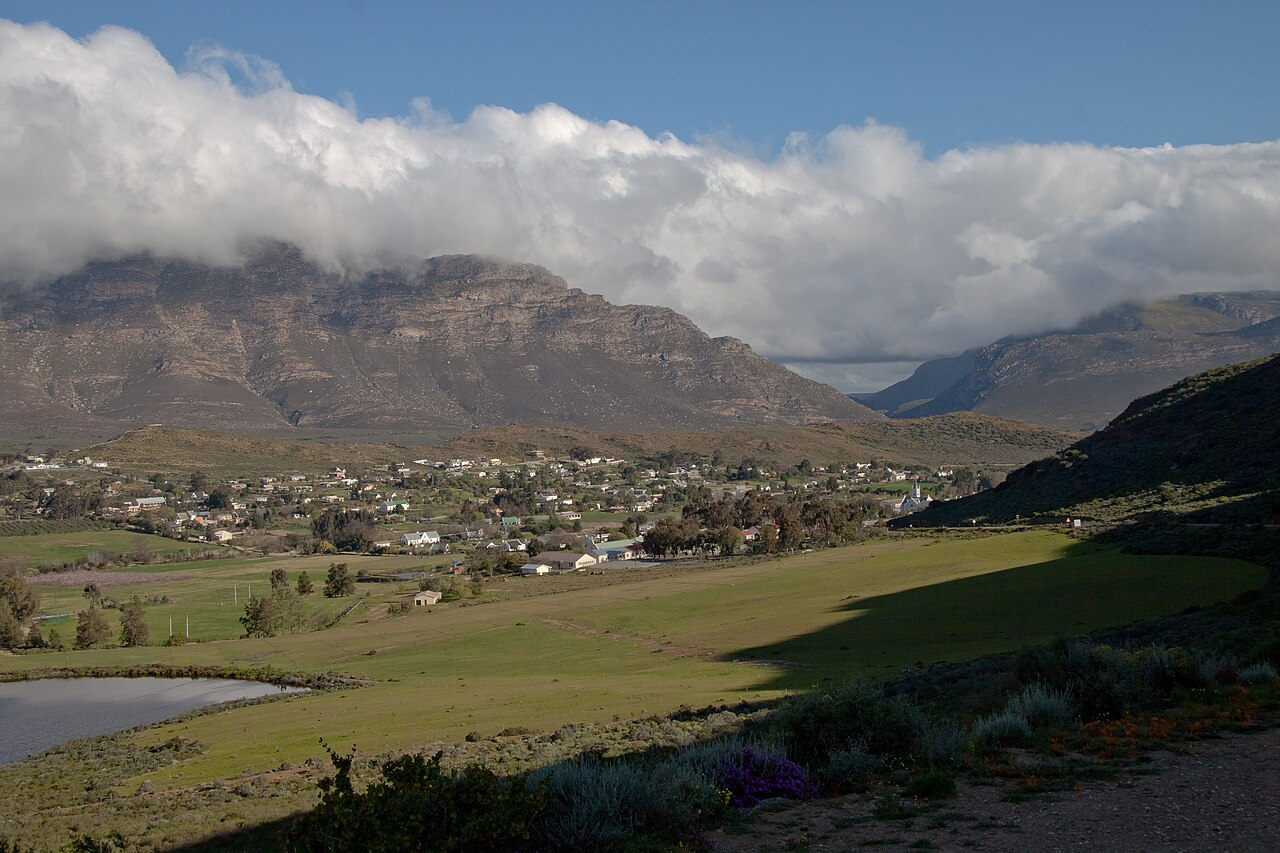
Photo: B.navez / Wikimedia Commons (CC BY-SA 3.0)
Sources: Jagonews24, Banglapedia, The Daily Star, Prothom Alo, The Financial Express, United News of Bangladesh (UNB), Bangladesh Journal of Agricultural Research (BARI), Julia F. Morton: Fruits of Warm Climates (Purdue University NewCROP), Wikipedia
Comments
(0)