
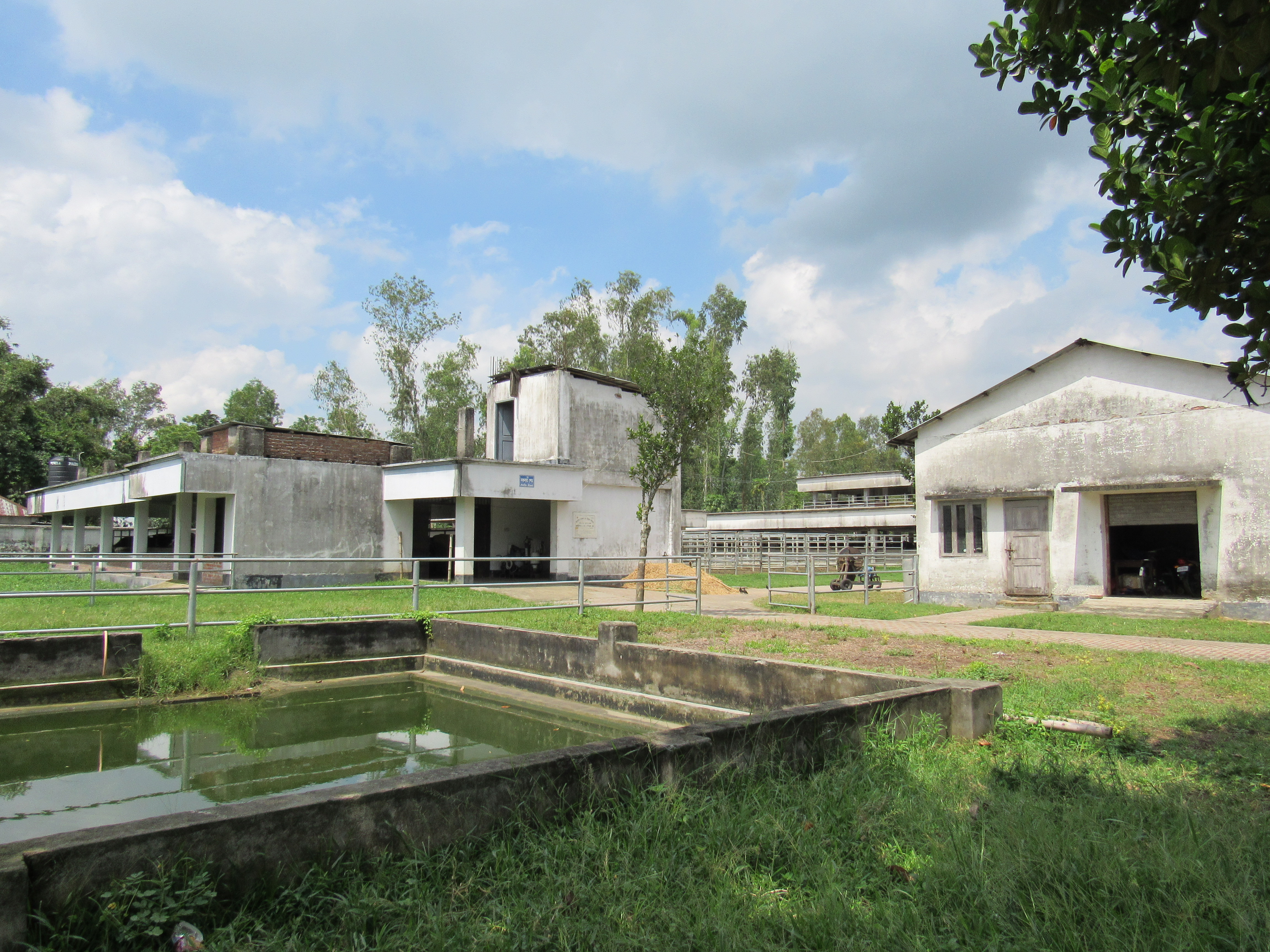
Md Rezaul Karim of Gabkhan Bazar, in Dhansiri union of Jhalakathi Sadar upazila, began with two cows. By September 2025 his farm had 22 cattle: 18 cows and four bull calves, according to a Jagonews24 report of 15 September 2025. Fifteen of the cows gave more than 100 litres of milk a day, sold at Tk 70 a litre, and three workers looked after the animals. Rezaul said he had not suffered a loss so far.
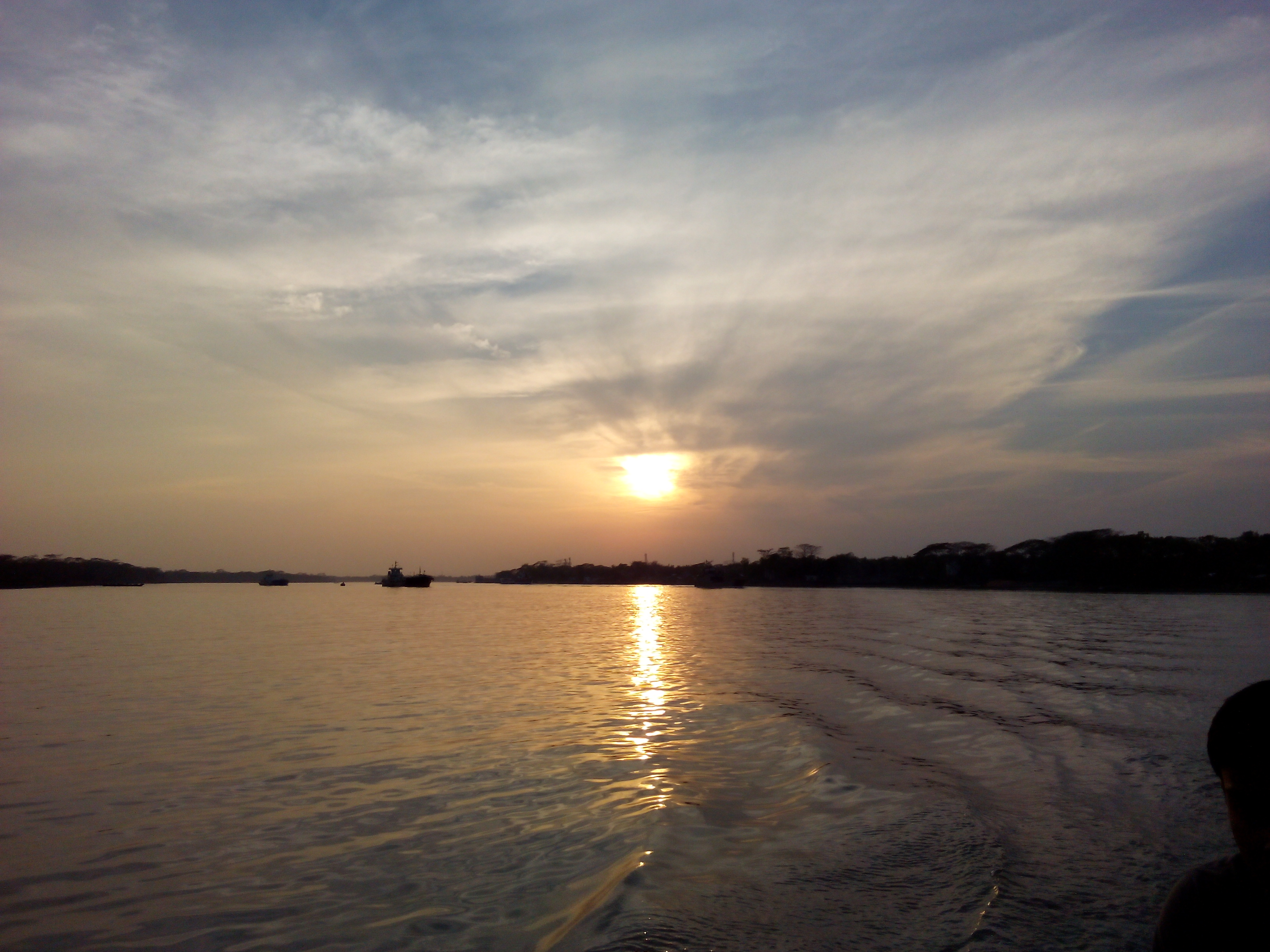
Jhalakathi is a district of Barishal Division in southern Bangladesh, covering 758.06 square kilometres. Its main rivers include the Bishkhali, Dhanshiri, Gabkhan and Sugandha. The 18-kilometre Gabkhan Channel was dug in 1918 to link the Sandha river of Pirojpur with the Sugandha of Jhalakathi.
From a brick kiln to a dairy farm
Rezaul said he had wanted to be an entrepreneur since childhood. After higher education he borrowed Tk 5 lakh from his retired father and became a partner in a brick kiln, which employed workers from Satkhira. With their help he brought two cows from Satkhira to meet his family's need for milk, and his interest in dairying grew from there.
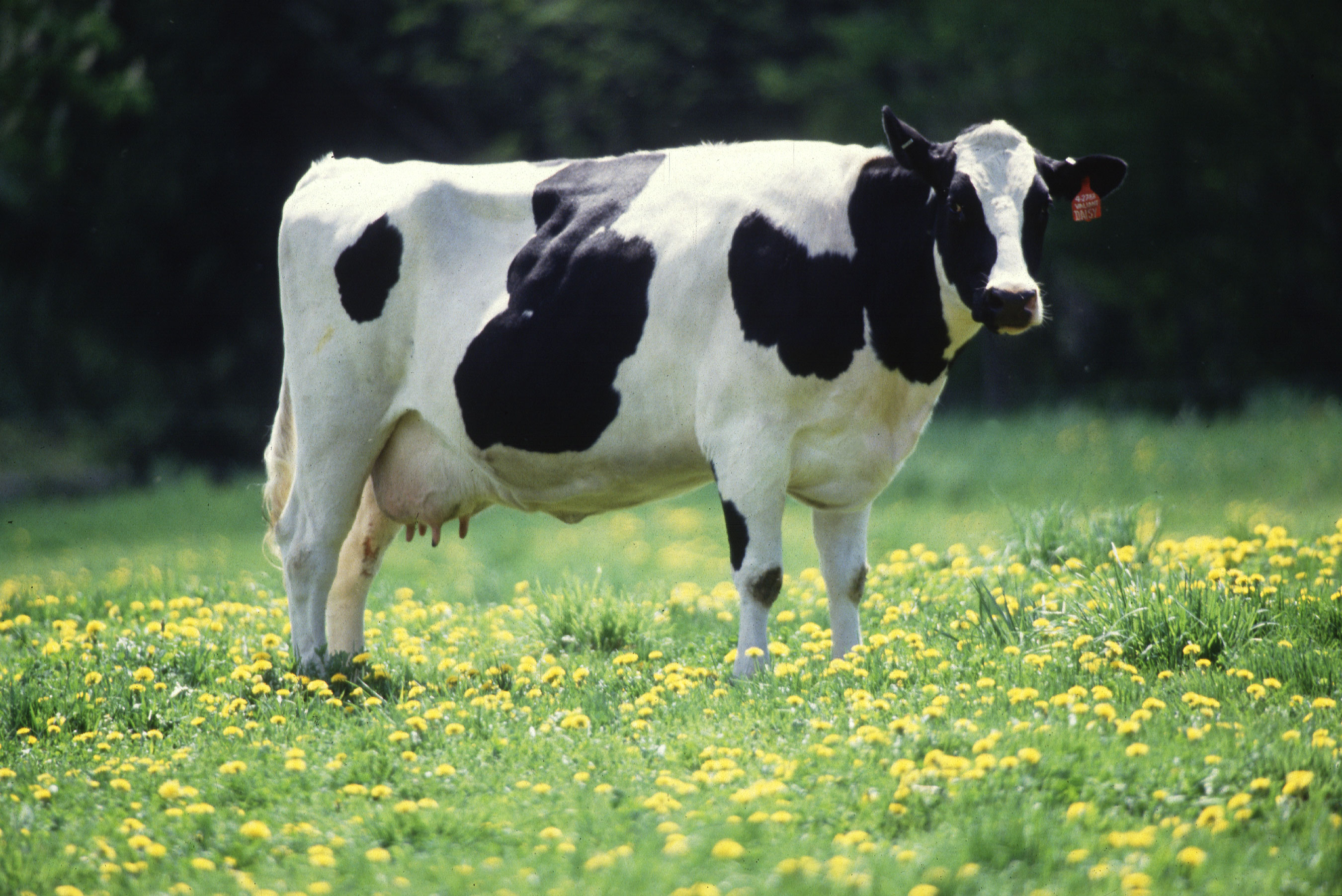
He later gave up his share in the kiln, bought four more cows and started the farm, building a new shed when space ran short. All his cattle are Friesian and Jersey. The Holstein Friesian is the breed of choice for most dairy farmers worldwide; in Europe a cow of the breed averages 7,000 to 8,000 litres a year. The Jersey, from the Channel Island of Jersey, is a small dairy breed whose milk is high in butterfat, and it tolerates heat better than many breeds from temperate climates.
To turn the farm's milk into sweets he opened a shop in Daktarpatti in Jhalakathi town, and he also sells milk to other shops. At the last Eid-ul-Azha and at other times he sold 10 cattle for more than Tk 14 lakh.
Fodder, straw and biogas from dung
To feed the herd he grows grass on five and a half bigha of land, and after the Aman rice harvest he buys and stores plenty of straw. The three workers' wages cost him Tk 50,000 a month.
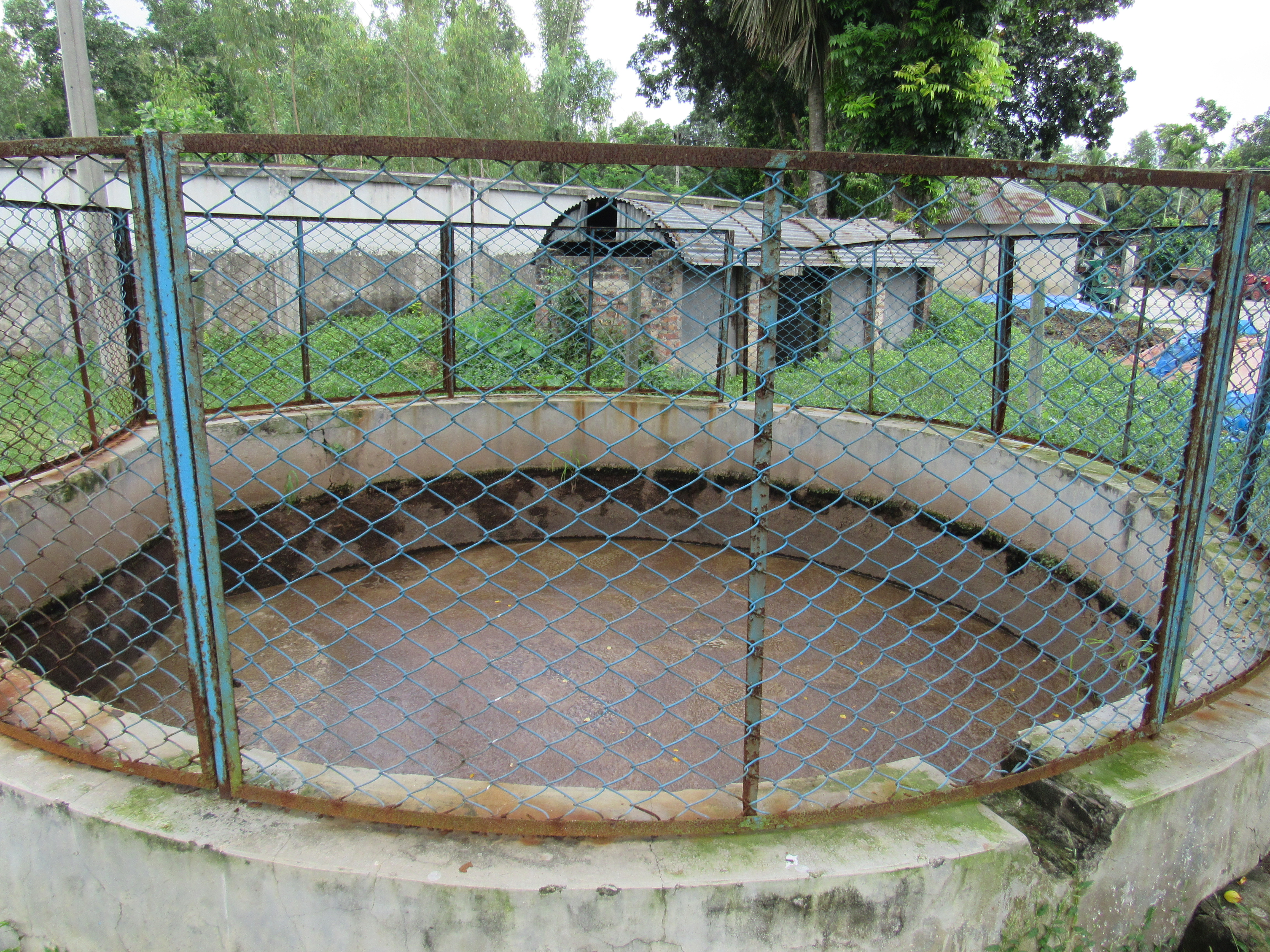
Dung and urine are washed with water from a motor pump into a tank that feeds a biogas plant. The gas is piped to the house and used every day as household fuel.
On animal health, Rezaul said he trained in livestock rearing with the Department of Youth Development in 1998, so he gives first aid himself. When better treatment is needed he takes the animals to the Sadar upazila livestock office.
What livestock officials said
Mizanur Rahman, a veterinarian at the Sadar upazila livestock office, said: "Rezaul Karim of Gabkhan Bazar in Dhansiri union has become self-reliant through his dairy farm. He is an example for farmers to follow." He said the office was giving him advice and all-round support.
Sadar upazila livestock officer Dr Faruk Hossain said: "Rezaul Karim has succeeded in building a dairy farm, and many are being encouraged to set up farms after seeing him." Deputy Commissioner Ashrafur Rahman said that if animals are kept healthy and free of disease, both the country and farmers can become well off and self-reliant through milk, meat and eggs.
The country still produced less milk than it needed at the time. In the Department of Livestock Services' figures for fiscal year 2023-24, Bangladesh produced 150.44 lakh tonnes of milk against a demand of 158.78 lakh tonnes, and availability was 234.45 ml per person a day against a requirement of 250 ml. The country had 250.13 lakh cattle that year.
Photo: Ibrahim Husain Meraj / Wikimedia Commons (CC BY-SA 3.0)
Sources: Jagonews24, Department of Livestock Services (Livestock Economy at a Glance 2023-24), Wikipedia (Jhalakathi District, Gabkhan Channel, Holstein Friesian, Jersey cattle)
Comments
(0)