
The government of Jammu and Kashmir tested more than 7,400 pesticide samples over the past two financial years and found 151 substandard products, leading to dozens of prosecutions, Agriculture Minister Javid Ahmad Dar told the region's Legislative Assembly on 24 September, Global Agriculture reports, citing Kashmir Images.
The figures cover the completed 2025-26 year and the 2026-27 year to date, and the enforcement action was taken under India's Insecticides Act, 1968. In 2026-27 so far, 19 licences have been cancelled or suspended, a category not broken out for the previous year, and the share of samples found substandard has risen from about 1.5 percent in 2025-26 to roughly 4 percent, though this year's sample is still a fraction of a full year.
The minister said the region runs two quality control laboratories, one in Srinagar and one in Jammu, which test samples collected from the market, and that 32 highly toxic pesticide formulations have been banned or restricted there. A State Pesticide Residue Testing Laboratory is being set up, which would let officials test produce and soil for residues as well as check what pesticide products contain.
The disclosure did not name any companies or brands selling substandard products, and it covers only Jammu and Kashmir, not India as a whole.
It comes amid long-standing concern among Indian farm groups and legitimate agrochemical makers about spurious and substandard pesticides in parts of the Indian market, which industry bodies say undermines farmers' trust and hurts compliant manufacturers.
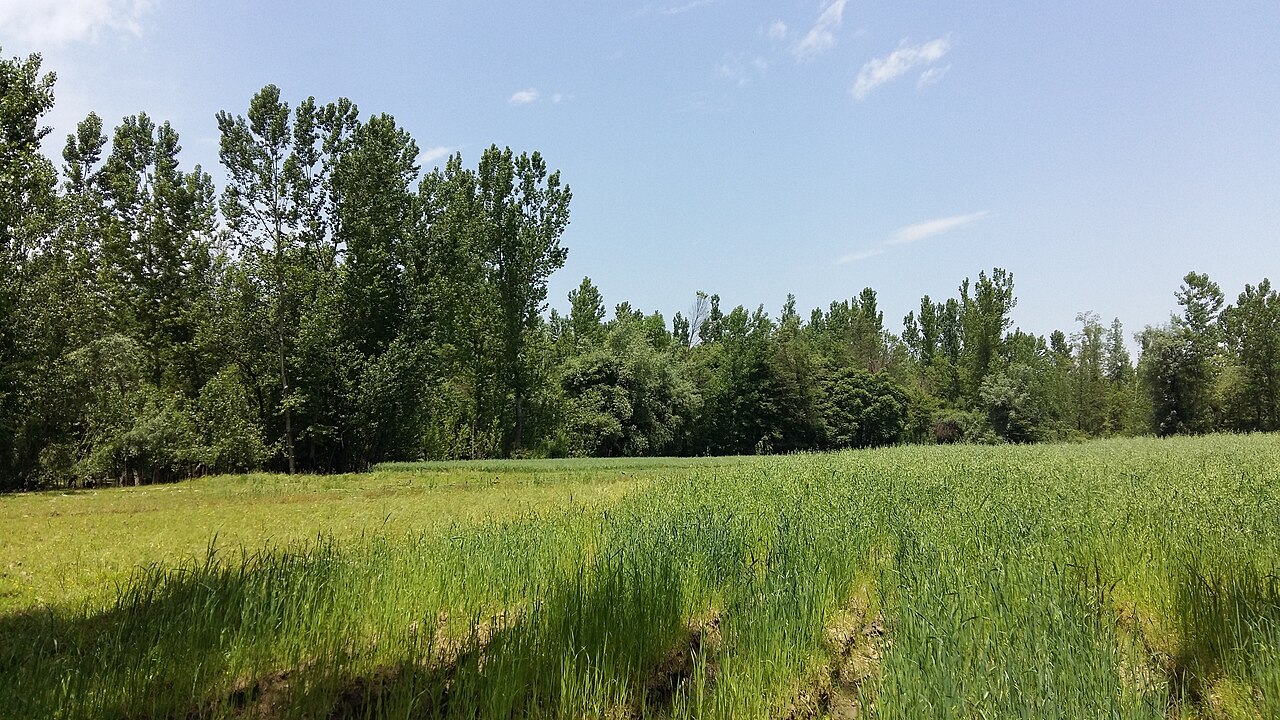
Photo: Sauood07 / Wikimedia Commons (CC BY-SA 4.0)
Source: Global Agriculture


Comments
(0)