
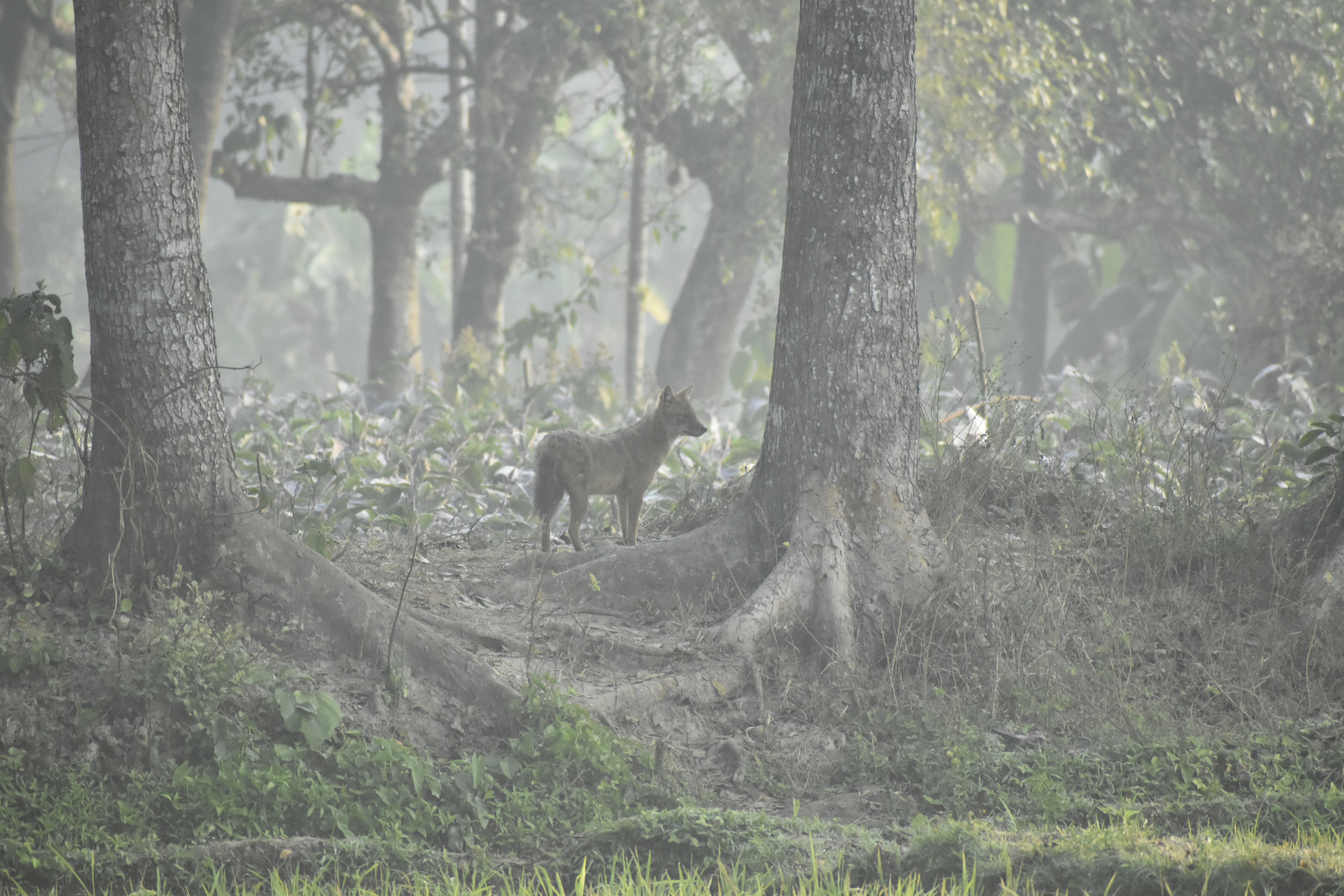
A jackal bit and injured seven people in Mahadan union and other parts of Sarishabari upazila in Jamalpur district on the evening of Sunday, 27 October 2024. The injured, a woman and six males aged between 14 and 60, were taken to the Sarishabari Upazila Health Complex. Rabiul Islam, the health complex's residential medical officer (RMO), confirmed the attacks to journalists on the morning of Monday, 28 October, and said that three of the seven had been sent on to Jamalpur Sadar Hospital because their injuries were serious. Jagonews24 and Songbad Prokash both reported the incident that day, and both said it had left people in the area afraid to go out.
What happened in Mahadan union
According to the two reports, the attacks began after dusk on Sunday. Local residents told Songbad Prokash that several jackals had been roaming the village roads in the early evening and that one of them suddenly turned on people. Within a short time it had bitten seven people, among them a woman of 60 and a boy of 14. The others were men aged 21, 30, 45, 45 and 60. Jagonews24 said all of the injured were residents of Mahadan union, and that they had bite marks on the face, the legs and other parts of the body.
A local resident quoted by Songbad Prokash described the animal as a "mad" jackal that had been biting people in different places, and said that the attacks had been heavy around Bausi village of Sarishabari. Neither newspaper said whether the jackal had been caught or killed, and neither reported any test of the animal for rabies. The description of it as "mad" was the residents' own; no official said what was wrong with the animal.
RMO Rabiul Islam told Songbad Prokash that seven patients bitten by a jackal had come to the health complex for treatment on Sunday evening. Four of them returned home after treatment. The other three were more seriously hurt and were transferred to Jamalpur Sadar Hospital. Jagonews24 carried the same account from the RMO. Songbad Prokash, whose report was published on Monday morning, added that according to the health complex the three referred patients had also gone home after treatment at the district hospital, and that fear of jackals still gripped the area.
Sarishabari and Mahadan union
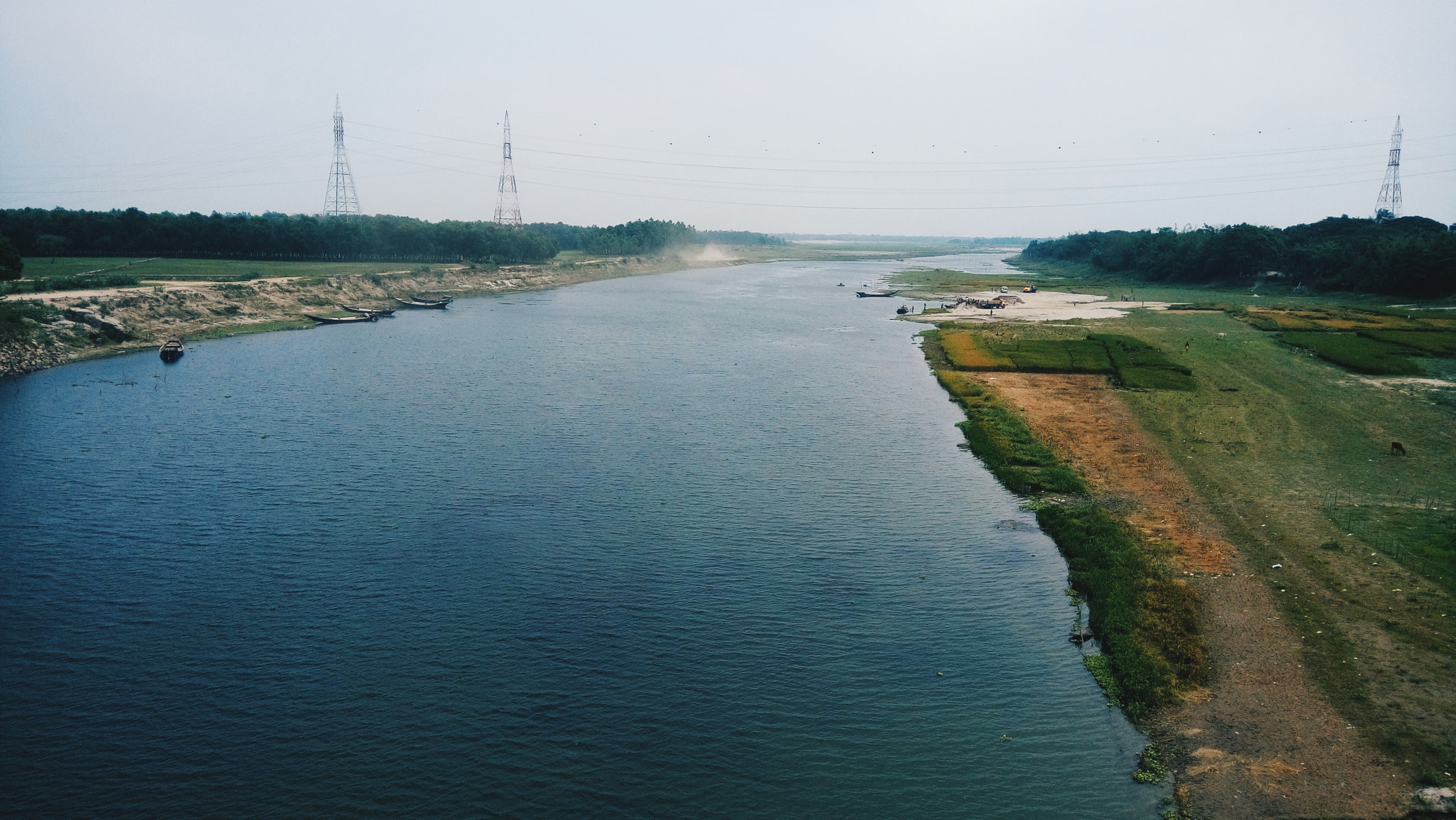
Sarishabari is one of the seven upazilas of Jamalpur district and lies along the Jamuna. Banglapedia, the national encyclopedia of Bangladesh, gives its area as 263.50 square kilometres. It is bounded by Madarganj and Jamalpur Sadar upazilas on the north, Bhuapur upazila on the south, Gopalpur and Dhanbari upazilas on the east, and Sariakandi, Kazipur and Sirajganj Sadar upazilas on the west, across the river. Its main rivers are the Jamuna and the Jhinai, and Balakuria Beel and Kauamara Beel are its best-known wetlands. Sarishabari Thana was formed in 1960 and became an upazila in 1983.
The 2011 census, as recorded by Banglapedia, counted 325,320 people in the upazila, which has one municipality, eight unions, 117 mouzas and 183 villages. Mahadan, the union where the jackal attacked, covers 6,563 acres and had 17,220 male and 18,070 female residents at that census, with a literacy rate of 44.1 per cent. Farming is the main livelihood: agriculture is the main source of income for 63.84 per cent of households. The main crops are paddy, jute, wheat, mustard, sugarcane, groundnut, sweet potato, lentil, betel leaf, turmeric, chilli and vegetables, and the main fruits are mango, coconut, betel nut, banana and papaya. A jute mill and a fertiliser factory are among the upazila's noted industries.
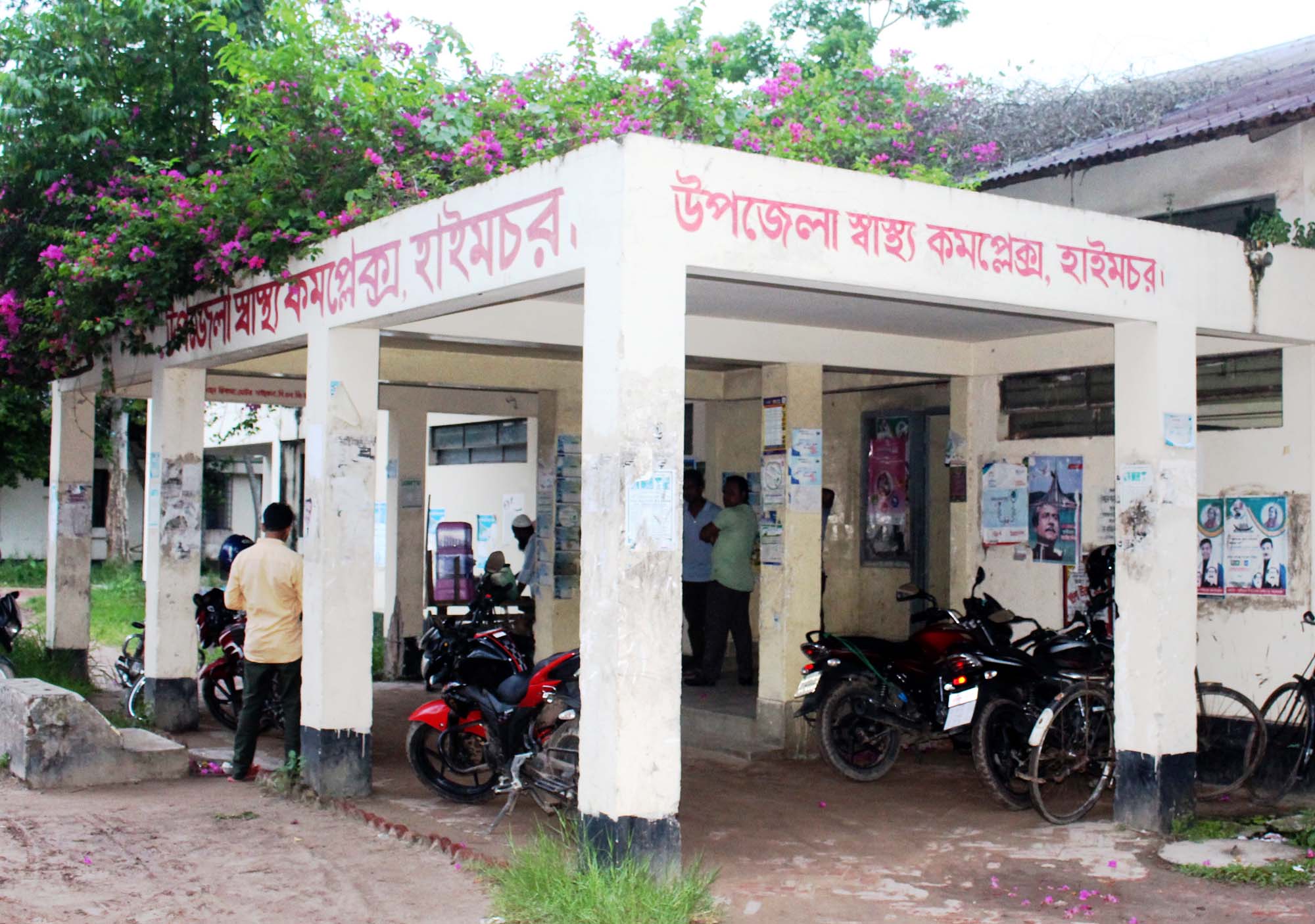
Banglapedia lists one upazila health complex, eight family planning centres, four satellite clinics and two diagnostic centres in Sarishabari. The upazila health complex is the government hospital that serves the whole upazila, which is why the seven injured people were taken there first and why the three most seriously hurt were sent on to the district hospital in Jamalpur town.
Jamalpur district as a whole covers 2,115.16 square kilometres and had 2,292,674 people at the 2011 census. It was established as a district in 1978, has seven upazilas, and borders the Indian state of Meghalaya on the north. Its main rivers are the Jamuna, the Old Brahmaputra, the Banar and the Jhinai.
The jackal in Bangladesh
The animal that Bengali speakers call শিয়াল is, in most of Bangladesh, the golden or Asiatic jackal, Canis aureus. Banglapedia describes it as a member of the dog family that resembles wolves and dogs in its teeth, round pupils, gestation period and, to a large extent, its habits. It is greyish yellow, darker on the back, about 45 centimetres high and 60 centimetres long, with a bushy tail. Banglapedia states that Canis aureus is the only jackal species found in Bangladesh and that jackals are widely distributed in the country, in forests, grasslands and villages alike. The smaller Bengal fox, Vulpes bengalensis, known in Bengali as খেঁকশিয়াল, is a different animal.
Jackals are mainly nocturnal. They hide in thickets and other cover during the day and come out at dusk to visit farmyards and villages in search of food. Their diet is mostly small mammals and poultry, along with rodents, insects and lizards, and when they cannot find live prey they eat carrion and refuse of all kinds, which, Banglapedia notes, makes them useful in removing rotting matter. Among fruits they favour the jujube (Zizyphus), and they are said to be fond of sugarcane and maize. In the sugarcane belts around Rajshahi, Ishurdi, Rangpur, Sitabganj and Joypurhat, the jackal is regarded as a notorious pest of the crop.
A jackal lives alone or in a pair and only occasionally in a larger group. The gestation period is about 62 days and a litter has three to eight young, according to Banglapedia. Wikipedia's account of the species adds that the breeding pair is the basic social unit, that males measure 71 to 85 centimetres in body length and weigh 6 to 14 kilograms, that home ranges are 1 to 20 square kilometres depending on food, and that a jackal can travel 12 to 15 kilometres in a night. The species is listed as Least Concern on the IUCN Red List because of its wide range, and Wikipedia notes that some golden jackals carry diseases harmful to humans, rabies among them.
Why a jackal bite is treated as a rabies risk
The World Health Organization's rabies fact sheet, in its version of 5 June 2024, describes rabies as a vaccine-preventable viral disease of the central nervous system that infects mammals, including dogs, cats, livestock and wildlife. It spreads through saliva, usually by bites or scratches or by direct contact with the eyes, mouth or open wounds. Once clinical symptoms appear, WHO says, rabies is virtually 100 per cent fatal. Rabies is a public health problem in over 150 countries and territories, mainly in Asia and Africa, and an estimated 59,000 people die of it every year, 40 per cent of them children under 15.
Worldwide, dogs are responsible for up to 99 per cent of human rabies cases. WHO notes that human deaths after exposure to foxes, raccoons, skunks and other wild mammals are very rare on a global scale. In Bangladesh, however, jackals do appear in the record. A study published in the journal Heliyon in November 2020 by a team of Bangladeshi researchers traced 256 people whose deaths had been attributed to rabies, through interviews with their relatives. Dogs were responsible in 81.64 per cent of these cases, cats in 12.11 per cent, jackals in 3.91 per cent and mongooses in 2.34 per cent.
The same study found that most of those who died were male (71.88 per cent), lived in rural areas (80.47 per cent) and that 47.27 per cent were children under 15. Arms and legs were the most common site of the bite, at 67.97 per cent, and the shortest incubation period was found when the bite was on the head or face. Most strikingly, 86.72 per cent of those who died had received no post-exposure vaccine at all, and 66.80 per cent had gone to traditional healers. Of the 34 who had received some vaccine, only 8.82 per cent had completed the full course, and none had received rabies immunoglobulin. The authors called for public awareness in rural communities so that people seek vaccination instead of visiting traditional healers.
WHO gives the incubation period of rabies as typically two to three months, but it may be as short as a week or as long as a year, depending on where the virus enters and how much of it there is. The first signs are fever, pain and unusual tingling, pricking or burning at the wound. In the furious form the patient becomes hyperactive and may fear water and drafts of air; the paralytic form, about 20 per cent of human cases, brings gradual paralysis that starts at the wound. WHO says there is no approved test that detects rabies infection before symptoms begin, and that, where possible, the biting animal should be tested.
What WHO advises after an animal bite
WHO's fact sheet is clear that rabies deaths are preventable with prompt post-exposure prophylaxis (PEP), which stops the virus before it reaches the central nervous system. Anyone bitten or scratched by an animal that may be rabid should immediately seek PEP care. According to WHO, PEP consists of:
- extensive washing of the wound with water and soap for at least 15 minutes, as soon as possible after the exposure;
- a course of rabies vaccine; and
- rabies immunoglobulin or monoclonal antibodies given into the wound, when indicated.
WHO grades exposures into three categories. Touching or feeding an animal, or a lick on intact skin, is Category I and needs only washing of the skin. Nibbling of uncovered skin or minor scratches or abrasions without bleeding are Category II and need wound washing and immediate vaccination. Single or multiple bites or scratches that break the skin, or saliva on broken skin or the eyes, nose or mouth, are Category III, the severe category, and need wound washing, immediate vaccination and rabies immunoglobulin or monoclonal antibodies. Any bite that breaks the skin, wherever it is on the body, therefore falls in the severe category, and the Heliyon study found that bites on the head and face carried the shortest incubation period.
The decision on which vaccine schedule and whether immunoglobulin is needed is for the doctor. Anyone bitten by a jackal, dog, cat or mongoose in Bangladesh should wash the wound well and go to the nearest upazila health complex or district hospital the same day, and should not rely on a traditional healer.
Bangladesh's rabies programme
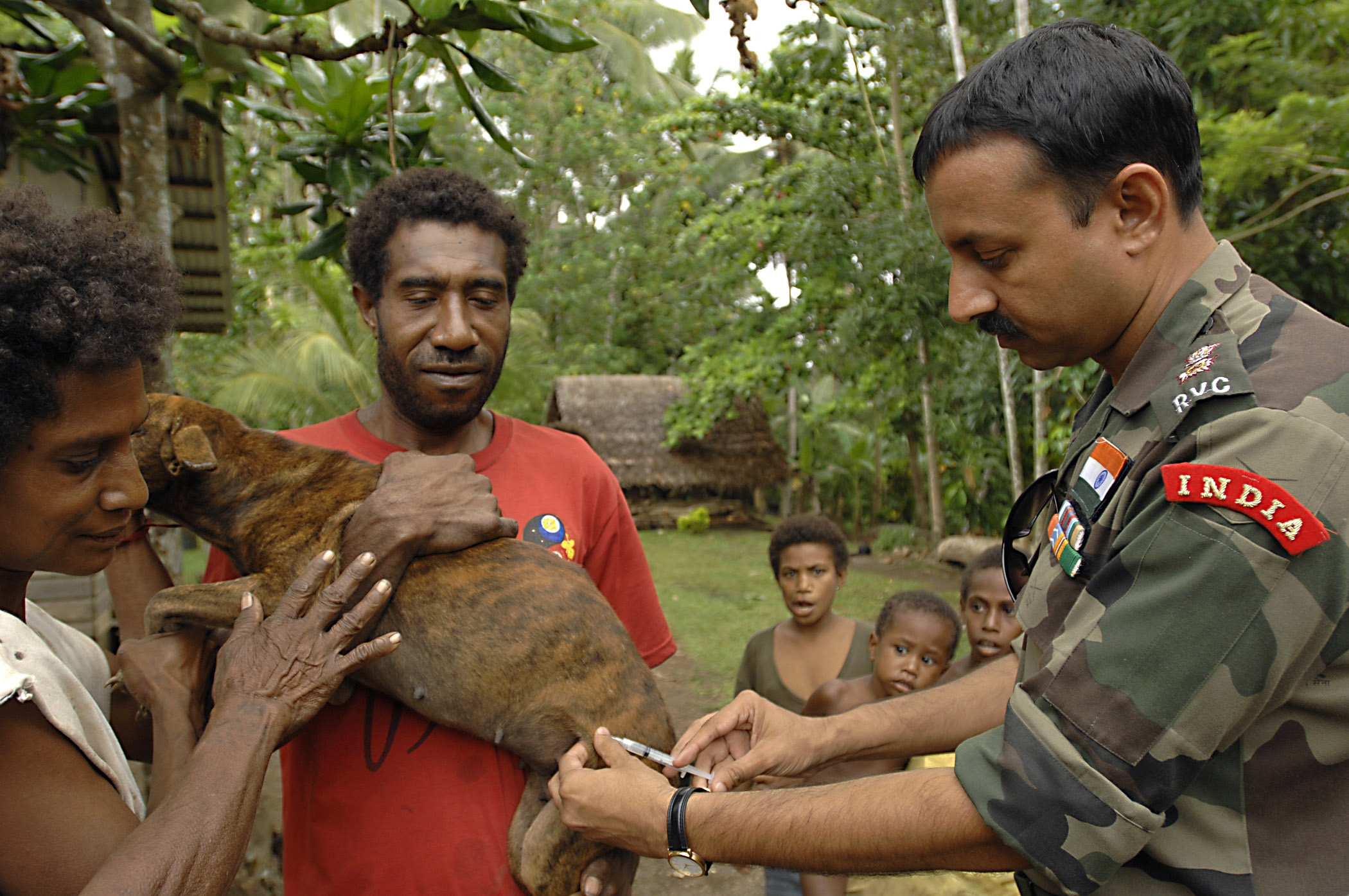
Bangladesh has fought rabies for more than a decade through what it calls a One Health approach, in which the health, livestock and local government authorities work together. A paper in The Lancet Regional Health Southeast Asia, published on 23 July 2024 by a team of Bangladeshi and international researchers, describes how the National Rabies Elimination Programme began in 2011, with mass dog vaccination starting that year in the municipality of Cox's Bazar. The programme involves the Communicable Disease Control (CDC) Division of the Directorate General of Health Services (DGHS), the Department of Livestock Services (DLS) and the Local Government Division.
By the time of the paper, mass dog vaccination had reached all 64 districts, 45 districts had completed a second round and eight a third. An average of 21,295 dogs were vaccinated per district each year, against an estimated national dog population of 1,668,140, and the highest number of dogs vaccinated in a single year was 625,208 in 2019. For people, the country set up more than 300 Animal Bite Management Centres, and every district had at least one facility offering post-exposure prophylaxis and wound care. The paper says the programme offers free vaccination and treatment for most cases nationwide and delivers post-exposure prophylaxis to more than 400,000 bite victims a year; 2,730,829 doses of anti-rabies vaccine were used between 2011 and 2023.
The authors counted 879 human rabies cases reported in Bangladesh between 2011 and 2023, an average of 66 a year, with the highest number, 106, in 2014. They found that human rabies cases had fallen by about 50 per cent and projected that, if the trend continued, Bangladesh could reach the global "Zero by 30" goal, set in 2015, of ending human deaths from dog-mediated rabies by 2030. They also recommended oral rabies vaccines for dogs and wildlife in the future, since wild animals such as jackals are not reached by dog vaccination campaigns.
WHO's fact sheet explains why such programmes put dogs first. Vaccinating dogs, including puppies, through mass vaccination is the most cost-effective way to prevent rabies in people because it stops transmission at its source, while culling free-roaming dogs is not effective in controlling rabies. WHO also stresses public education for children and adults on dog behaviour, bite prevention and what to do after a bite. Pre-exposure vaccination is recommended for people in high-risk work, such as laboratory staff, animal disease control staff and wildlife rangers, but it does not replace post-exposure care after a bite. WHO puts the global cost of rabies at around 8.6 billion US dollars a year, gives the average cost of a course of post-exposure prophylaxis in 2018 as 108 US dollars, a heavy burden for families earning one or two dollars a day, and says more than 29 million people worldwide receive human rabies vaccine each year.
Another study, published in PLOS Global Public Health on 14 November 2023 by researchers from East West University, the International Centre for Diarrhoeal Disease Research, Bangladesh (icddr,b), the DGHS and the Department of Livestock Services, followed 457 animal-bite patients at the government Infectious Diseases Hospital in Mohakhali, Dhaka, between January and August 2022. Vaccine and immunoglobulin were provided free at the hospital. Dogs accounted for 51 per cent of the bites and cats for 47 per cent, with three patients bitten by foxes. Only 20 per cent of the patients received their first vaccine dose on the day of the bite and 66 per cent between the first and third day; being busy with other work and distance to the centre were the most common reasons for delay.
Earlier jackal attacks in Bangladesh
The Sarishabari attacks were not an isolated case. Bangladeshi newspapers had reported a series of similar incidents in the months and years before. On 15 September 2023 Prothom Alo reported that two jackals had come out of a patch of jungle in the Chandpara area of ward 14 of Gazipur City Corporation the previous evening, and that one of them bit 10 people before escaping back into the undergrowth; eight were treated at Shaheed Tajuddin Ahmad Medical College Hospital in Gazipur and released after first aid.
On 3 October 2024, less than a month before the Sarishabari incident, Jugantor reported that a jackal had bitten at least 20 people, including children, in Bagail and Taloda Baiguni villages of Udaypur union in Kalai upazila of Joypurhat. The Kalai upazila health and family planning officer told the paper that because the health complex had no vaccine, the injured were given first aid and sent to the district hospital to obtain it. On 25 October 2024 Shomoyer Alo reported that a jackal had entered villages in Noagaon union of Sonargaon upazila in Narayanganj and bitten about 20 people, who were referred from the upazila health complex to Dhaka Medical College Hospital and the hospital in Mohakhali.
The jackal and the law
At the time of the Sarishabari attacks the law that governed wild animals in Bangladesh was the Wildlife (Conservation and Security) Act 2012 (Act No. 30 of 2012), dated 10 July 2012. Its Schedule 1, the list of protected animals, includes the jackal, পাতি শিয়াল, Canis aureus, among the mammals of the dog family. The Bengal fox, Vulpes bengalensis, appears in Schedule 2.
Section 6(1) of the Act provides that no person may hunt any wild animal without a licence or permit issued under the Act, and section 6(2) allows the government to ban the hunting of any or all wild animals in a particular forest or area, or in the whole country, for a set period. Under section 39, breaking section 6 is an offence punishable by up to one year in prison or a fine of up to 50,000 taka or both, and a repeat offence by up to two years in prison or a fine of up to one lakh taka or both.
Photo: Fabian Roudra Baroi / Wikimedia Commons (CC BY-SA 4.0)
Sources: Jagonews24, Songbad Prokash, Banglapedia (Asiatic Society of Bangladesh), World Health Organization, The Lancet Regional Health Southeast Asia, Heliyon, PLOS Global Public Health, Bangladesh Code (Legislative and Parliamentary Affairs Division), Prothom Alo, Jugantor, Shomoyer Alo, Wikipedia
Comments
(0)