
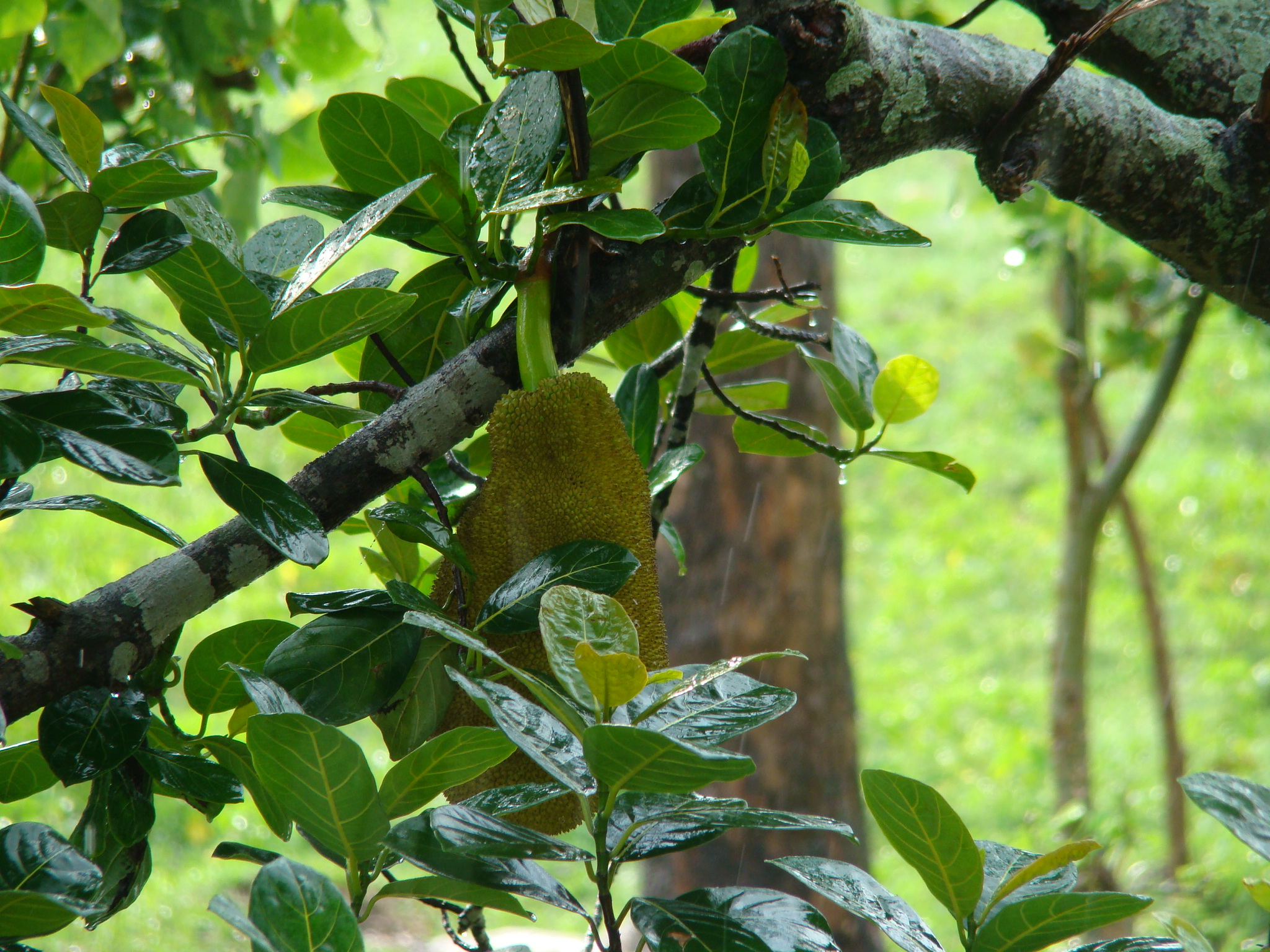
On 4 June 2026, as the jackfruit season got under way in Bangladesh, the news site Jagonews24 published a lifestyle guide on what to know before eating jackfruit in the summer heat. The guide described jackfruit, the country's national fruit, as tasty and nutritious, noted a common belief that eating a lot of it in hot weather can bring discomfort or indigestion, and advised eating it in moderation, with particular care for people who have diabetes, kidney problems or digestive complaints. It also said the seeds are nutritious and can be boiled, fried or cooked in other dishes.
The Agro News checked the guide's claims against the food composition data of the United States Department of Agriculture (USDA), peer-reviewed research on jackfruit, and the advice of health authorities: MedlinePlus of the US National Library of Medicine, Britain's National Health Service (NHS), the World Health Organization (WHO) and the US Food and Drug Administration (FDA). Most of the guide holds up. The statement that jackfruit is rich in vitamin A needs qualifying, the claim that the seeds are rich in iron could not be confirmed, and the suggestion that the fruit is best eaten at midday or in the afternoon could not be traced to any health authority, so those two points are left out here. What follows is the guide's advice with the evidence that stood behind it in June 2026.
Bangladesh's national fruit and its season
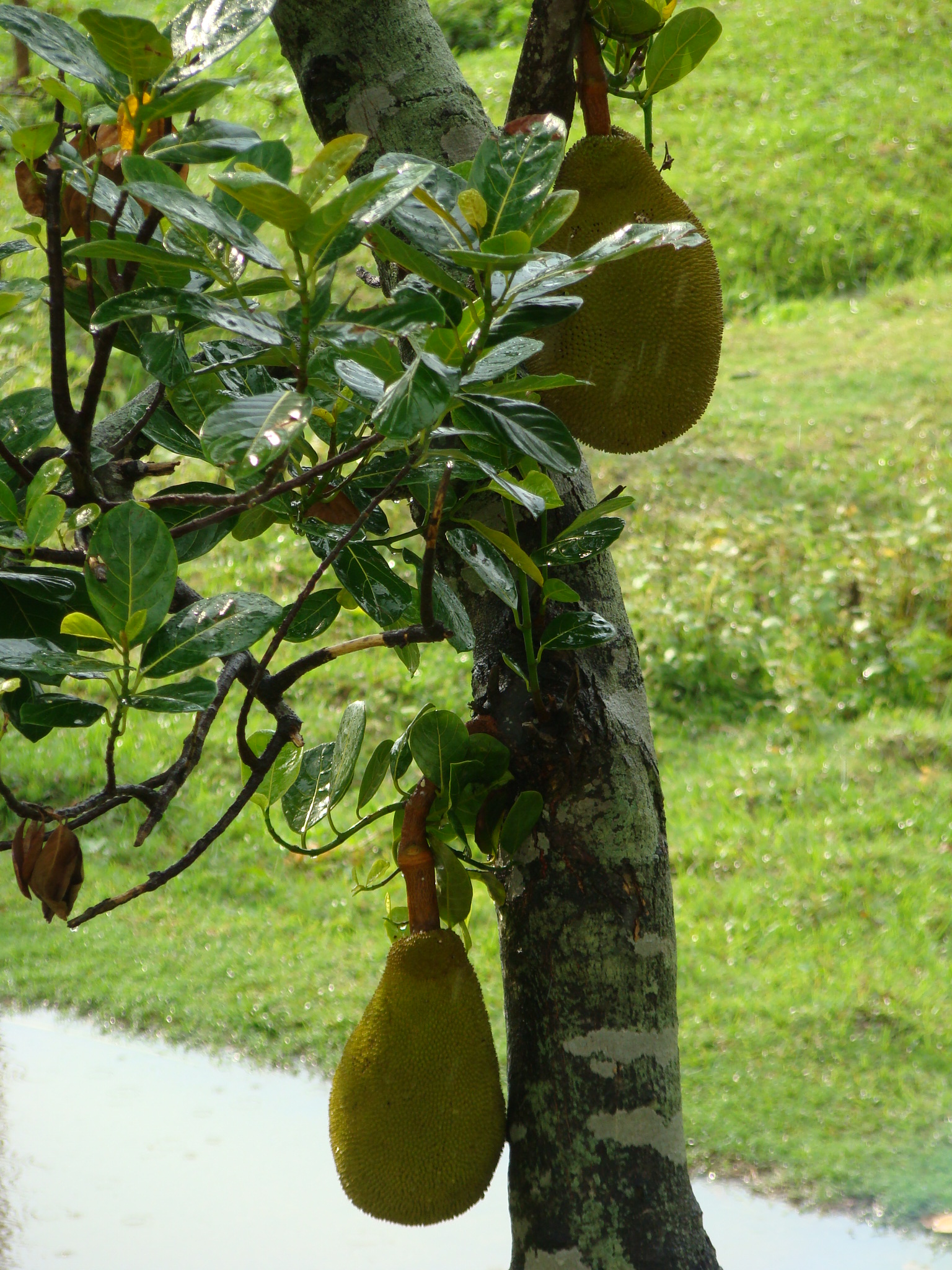
Jackfruit (Artocarpus heterophyllus) belongs to the mulberry family, Moraceae. A 2019 review in the International Journal of Food Science by researchers at the University of Sri Jayewardenepura in Sri Lanka says the fruit is native to the Western Ghats of India, although some authors suggest Malaysia as its centre of origin, and that it is known as the largest edible fruit in the world. The tree is a medium-sized evergreen, typically 8 to 25 metres tall, and a mature tree yields 10 to 200 fruits. Fruits typically weigh 2 to 20 kg, the review says, and fruits of about 50 kg have been recorded.
Banglapedia, the national encyclopedia of Bangladesh, describes jackfruit as the country's national fruit. Its English entry says the tree flowers from December to March and the fruit ripens from May to August. Trees begin bearing at about five to eight years old, and a tree of 15 to 20 years may bear anywhere from a few to about 200 fruits a year. The Bengali entry names Naogaon, Dinajpur, Savar, Madhupur and Sylhet as the main growing areas, says each fruit holds roughly 100 to 500 large seeds, and notes that its close relatives include the deua (lakoocha), which grows wild in Bangladesh, and breadfruit.
Bangladeshi growers recognise three broad types of jackfruit, according to Banglapedia: khaja, with a firm pericarp; gala, with very juicy, soft pulp; and dorosa, which falls between the two and is fairly firm. The tree does best in deep, well-drained loam that stays moist, and it is sensitive to both drought and waterlogging. Little of it goes to waste: the yellow heartwood is valued as timber and yields a yellow dye, the leaves and rind are fed to livestock, the unripe fruit is cooked as a vegetable, and the latex has been used as a sealing material.
Because the main harvest is crowded into a few months, the Bangladesh Agricultural Research Institute (BARI) released a year-round variety, BARI Kanthal-3, in 2014. A 2022 paper in Frontiers in Plant Science, whose authors sequenced the variety's genome, says it was derived from a wild accession found in Ramgarh in the Chattogram Hill Tracts and gives fruit from September to June, while seasonal jackfruit fruits from June to August. The same paper notes that the short harvest leads to wastage amounting to 20 to 30 percent of the crop in some seasons.
How much jackfruit Bangladesh grows
Official estimates of the crop differ between agencies and years. Banglapedia's entry, citing the Bangladesh Bureau of Statistics (BBS) for 2000 to 2007, gives 25,110 hectares under jackfruit and an annual production of 469,500 tonnes. It ranks jackfruit third among the country's fruits by cultivated area and second by production, at about 22 percent of national fruit output. The Bengali entry of the encyclopedia cites a BBS figure of about 720,000 tonnes a year. The 2022 Frontiers in Plant Science paper puts production in 2019-20 at about 1.1 million tons from about 16,592 hectares.
On 16 June 2023 The Daily Star reported that the Department of Agricultural Extension (DAE) estimated Bangladesh grew nearly 19 lakh tonnes of jackfruit in fiscal year 2021-22, most of it eaten at home, and noted that the DAE and the BBS publish differing estimates. According to DAE data cited in the report, Dhaka produces the most jackfruit, followed by Chattogram. The report described Bangladesh, at 10 lakh tonnes, as the world's second largest producer after India, and quoted a senior scientific officer of BARI's Post-Harvest Technology Division as saying the institute had developed three varieties that bear fruit within a year. The director of the DAE's Plant Quarantine Wing told the paper that jackfruit exports had totalled 1,300 tonnes the previous year and 469 tonnes in the fiscal year up to 15 June 2023.
The Food and Agriculture Organization of the United Nations (FAO) has also taken an interest in the crop. In a feature published on 13 January 2025, FAO described Bangladesh as the world's second-largest jackfruit producer and said the country joined FAO's One Country One Priority Product (OCOP) initiative in 2022, with jackfruit as its product. FAO wrote that outdated subsistence farming methods and poor storage cause many jackfruits to rot before they reach markets, and described its training for farmers and processors in Gazipur and Sreepur on growing, handling and turning the fruit into products such as pickles and jam.
What 100 grams of jackfruit contains
The USDA's FoodData Central database (SR Legacy, published in April 2019) lists the nutrients in 100 grams of raw jackfruit flesh. It gives 95 kilocalories, 73.46 g of water, 23.25 g of carbohydrate, of which 19.08 g are sugars (9.48 g glucose, 9.19 g fructose and 0.42 g sucrose) and 1.47 g starch, 1.5 g of dietary fibre, 1.72 g of protein and 0.64 g of fat. The fruit has no cholesterol.
Among minerals, the same 100 g carries 448 mg of potassium, 29 mg of magnesium, 24 mg of calcium, 21 mg of phosphorus, 0.23 mg of iron, 0.13 mg of zinc and only 2 mg of sodium. Among vitamins, the database lists 13.7 mg of vitamin C, 0.329 mg of vitamin B6, 0.92 mg of niacin, 0.105 mg of thiamin, 24 micrograms of folate and 0.34 mg of vitamin E.
The guide's statement that jackfruit contains vitamin A is true in the sense that the flesh carries carotenoids, the plant pigments the body can turn into vitamin A, but the amount in the USDA entry is small: 5 micrograms of vitamin A, measured as retinol activity equivalents, per 100 g, from 61 micrograms of beta-carotene, with a further 157 micrograms of lutein and zeaxanthin. The colour of the flesh matters. A 2023 study in Food Chemistry of jackfruit clones from the sub-Himalayan plains of West Bengal, India, found that orange-red flakes contained the most beta-carotene, phenols, iron and zinc, while deep yellow flakes had the most flavonoids, antioxidant activity and vitamin C.
Figures also vary with variety and ripeness. The Sri Lankan review compiles ranges for ripe flesh from several studies: 72 to 94 g of water, 16 to 25.4 g of carbohydrate, 1.2 to 1.9 g of protein, 1.0 to 1.5 g of fibre, 191 to 407 mg of potassium and 7 to 10 mg of vitamin C per 100 g. It lists tannins among the classes of phytochemicals found in jackfruit and says their concentrations vary by variety. For context, WHO's healthy diet fact sheet, dated 26 January 2026, advises adults to eat at least 400 grams of fruits and vegetables a day; a seasonal fruit such as jackfruit can be part of that, alongside other fruits and vegetables.
Seeds and green jackfruit
The guide rightly says the seeds are nutritious. Banglapedia says jackfruit seeds are boiled or roasted before use and then go into many dishes, and the Sri Lankan review says they are eaten boiled and roasted, added to flour for baking and cooked in curries. Quoting earlier analyses, the review gives seed contents of 37.4 to 42.5 percent carbohydrate and 5.3 to 6.8 percent protein, with about 55 percent moisture.
A 2011 study in the Ceylon Medical Journal by researchers at the University of Sri Jayewardenepura found that jack seeds contained 4.7 percent protein, 11.1 percent total dietary fibre and 8 percent resistant starch by fresh weight, and concluded that the seeds are a good source of starch (22 percent) and dietary fibre. A 2023 study in Food Science and Nutrition of jackfruit from the eastern forests of Cameroon found that, of the parts tested, the seeds held the highest levels of calcium (132 mg per 100 g), magnesium (43.73 mg) and phosphorus (101.51 mg), while the pulp held more potassium. Banglapedia's Bengali entry likewise says the seeds contain carbohydrate, protein and fat. The guide's further claim that the seeds are rich in iron was not supported by the sources consulted and is left out.
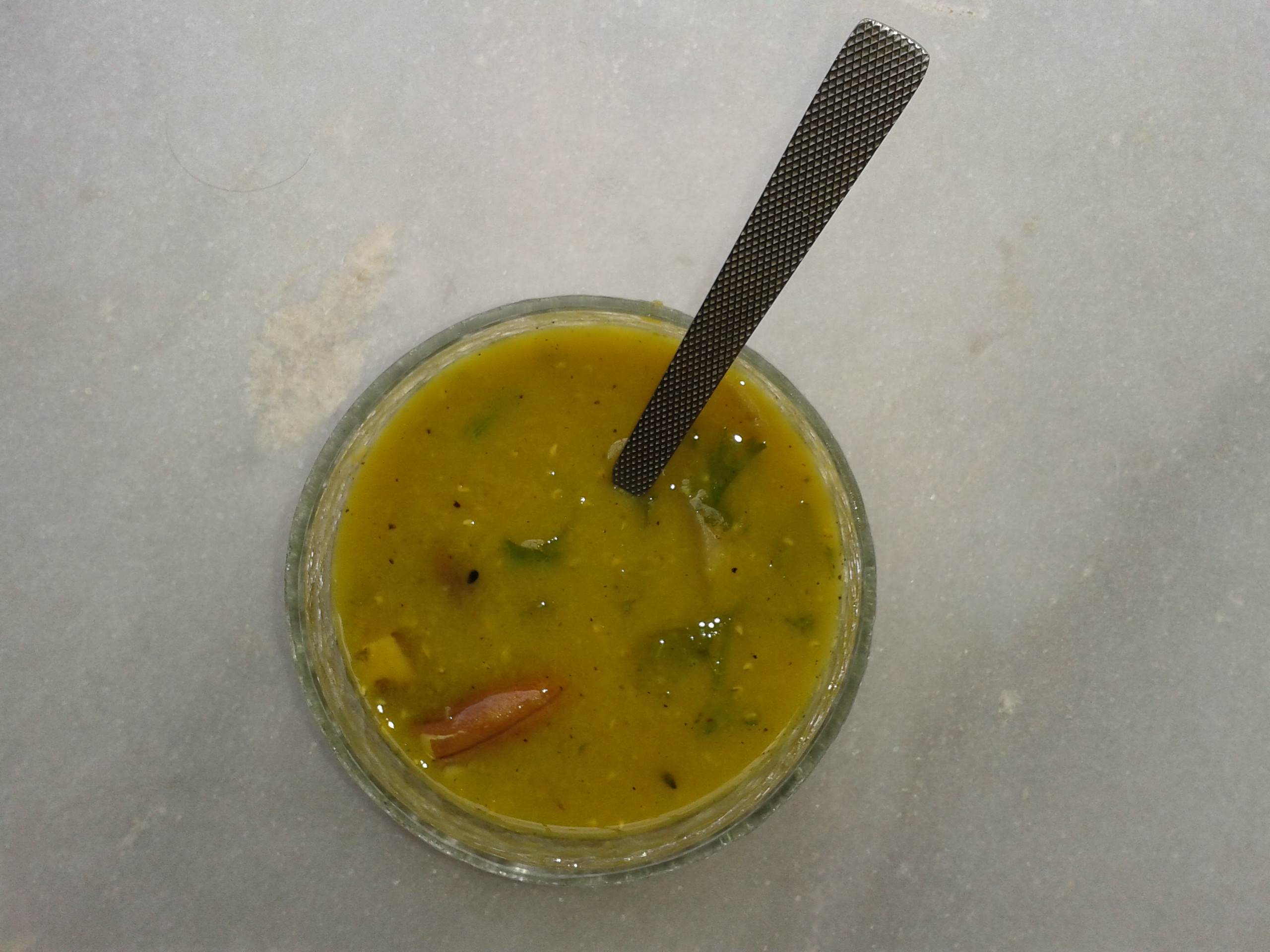
Unripe jackfruit, cooked as a vegetable across Bangladesh, has a different profile from the ripe fruit. The Sri Lankan review gives, per 100 g of unripe fruit, 2.0 to 2.6 g of protein, 2.6 to 3.6 g of fibre, 9.4 to 11.5 g of carbohydrate and 287 to 323 mg of potassium, and says the tender fruit is also made into pickles. Banglapedia's Bengali entry adds that ripe flesh is eaten fresh or preserved in syrup and that unripe fruit is cooked or pickled.
Digestion and the belief about eating too much
The guide's warning about indigestion reflects a belief that the scientific literature also records. The Sri Lankan review notes a widespread belief that eating too much jackfruit can cause digestive disorders, but it does not cite any study that tested the belief. What the food tables show is that ripe jackfruit is high in sugar and carries some fibre: 1.5 g per 100 g in the USDA data, and 1.0 to 1.5 g in the ranges the review compiles.
Fibre itself is generally helpful. The NHS, in guidance last reviewed on 2 March 2026, says eating plenty of fibre is linked to a lower risk of heart disease, stroke, type 2 diabetes and bowel cancer, and that choosing foods with fibre can help digestion and prevent constipation. UK government guidelines, the NHS says, call for adults to eat 30 g of fibre a day, while most adults eat about 20 g.
The guide's advice to eat jackfruit in moderation is sensible for any sweet fruit, but none of the health authorities consulted gives a specific daily amount for jackfruit or a best time of day to eat it, so the guide's advice on timing is not repeated here. Anyone who repeatedly gets stomach pain, bloating or diarrhoea after eating jackfruit should see a doctor rather than rely on general tips.
Diabetes and the sugar in ripe jackfruit
The guide singles out people with diabetes, and the sugar content explains why care is sensible: the USDA lists 19.08 g of sugars in 100 g of raw jackfruit. Health authorities draw a line, however, between the sugar in whole fruit and the free sugars people are advised to cut. The NHS says sugar found naturally in fruit does not count as free sugars unless the fruit is juiced or puréed, and that adults should have no more than 30 g of free sugars a day. WHO defines free sugars as sugars added to foods and drinks plus those naturally present in honey, syrups, fruit juices and fruit juice concentrates, and advises keeping them below 10 percent of total energy intake.
For people with type 2 diabetes, the NHS recommends a diet that includes fruit, vegetables and wholegrain foods, and suggests talking to a GP or diabetes nurse when changing the diet is hard. It does not set a limit for any single fruit.
Research on jackfruit and blood sugar has mostly looked at the unripe fruit and the seeds, not ripe jackfruit. In a randomised, double-blind, placebo-controlled trial published in Nutrition and Diabetes in 2021, 40 patients with type 2 diabetes in India replaced part of their rice or wheat flour with 30 g a day of green jackfruit flour or a placebo flour for 12 weeks; the jackfruit group had a significantly larger fall in HbA1c, fasting and post-meal blood glucose. The paper discloses that one author invented the flour and heads the company that makes it. The 2011 Sri Lankan study of a breakfast of boiled mature jackfruit flesh and seeds, tested on 10 healthy adults, attributed the meal's slowly released glucose to the fibre, slowly digested starch and intact starch granules in the seeds.
None of these studies tested ripe, sweet jackfruit eaten as a dessert, which is how most people eat it in summer. People with diabetes should ask their doctor or a dietitian how much ripe jackfruit fits their own diet and medicines.
Kidney disease and potassium
Potassium is the main reason the guide's caution for kidney patients matters. The USDA lists 448 mg of potassium in 100 g of raw jackfruit. MedlinePlus, in a page reviewed on 30 April 2026, describes potassium as an essential mineral for the heart, muscles and bones and gives adequate daily intakes of 2,600 mg for women and 3,400 mg for men aged 19 and over. WHO's healthy diet fact sheet says an intake of at least 3,510 mg a day may be beneficial for adults.
For people whose kidneys do not work well, the picture is different. MedlinePlus says too much potassium in the blood, called hyperkalemia, may cause abnormal and dangerous heart rhythms, and lists poor kidney function among its causes, along with certain heart and blood pressure medicines: ACE inhibitors, angiotensin II receptor blockers and potassium-sparing diuretics such as spironolactone, triamterene and amiloride. It advises that people with kidney problems, particularly those on dialysis, should not eat too many potassium-rich foods, and that a health care provider will recommend a potassium-restricted diet if needed.
MedlinePlus's guidance on diet in chronic kidney disease, reviewed in September 2025, explains that too much potassium can build up when the kidneys no longer function well, that fruits and vegetables contain large amounts of potassium, and that choosing the right item from each food group can help control potassium levels. It names fruits to limit or avoid, among them oranges, bananas, kiwis, melons, prunes, nectarines and dried fruit. Jackfruit is not on that list, but its potassium content is high, so people with kidney disease, and people taking the medicines named above, should ask their doctor or a registered dietitian before eating it.
Allergy, latex and pollen
Allergy to jackfruit is rare, but it has been documented in the medical literature. In a 2010 study published in Clinical and Experimental Allergy, researchers at an allergy centre in Vienna skin-tested 188 patients; among 85 patients with birch pollen allergy alone, 91 percent tested positive to jackfruit. The researchers found that fruits of the mulberry family, including jackfruit, contain allergens similar to the main birch pollen allergen, Bet v 1, and called them clinically relevant birch pollen-associated foods.
Latex is the other link. In 2015 doctors at Chulalongkorn University in Thailand reported a 34-year-old nurse who developed anaphylaxis, a severe allergic reaction, after eating dried jackfruit; she had chronic hand eczema from latex gloves, and her skin tests were positive for jackfruit, latex glove, kiwi and papaya. In 2023 doctors in New Jersey, United States, reported a 68-year-old woman of Bangladeshi descent with a history of latex allergy who developed anaphylaxis after eating jackfruit, calling the association rare yet dangerous. A case series published in January 2026 described three people with jackfruit allergy in British Columbia, Canada, all of whom also reacted to birch-related foods; the authors noted that jackfruit allergies have rarely been reported.
The NHS lists the signs of anaphylaxis as swelling of the throat and tongue, difficulty breathing or breathing very fast, feeling faint, dizzy or fainting, and skin that feels cold to the touch. Anyone who has such symptoms after eating jackfruit needs emergency medical help at once, and people who know they are allergic to latex should ask a doctor before eating jackfruit.
Handling jackfruit safely in hot weather
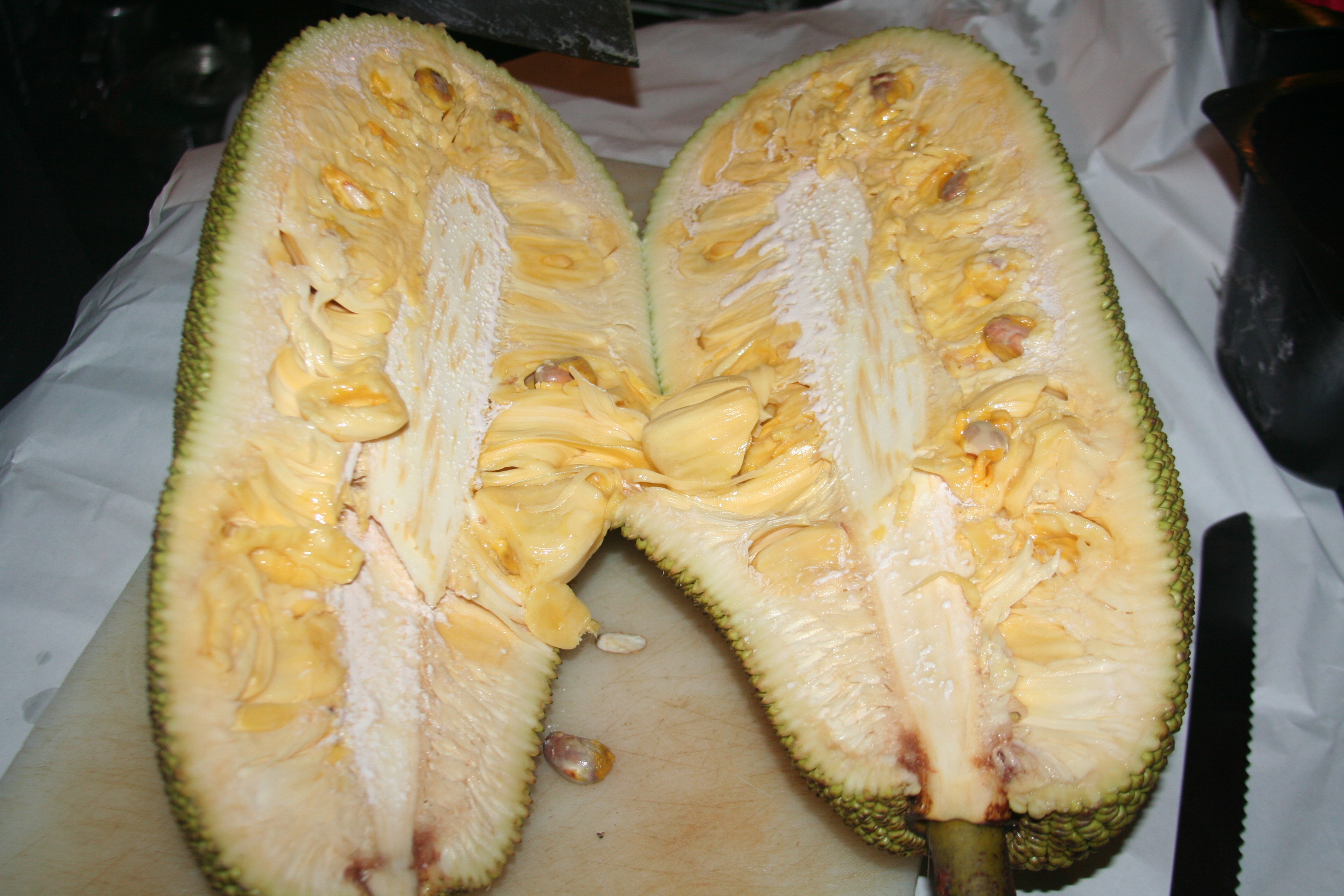
Jackfruit is awkward to prepare. The Sri Lankan review says latex-producing cells hold the fruit together and make preparation difficult, and that ripe fruit can develop very sharp off-flavours if it is not used early. Banglapedia's Bengali entry notes that the whole fruit does not keep well, which is why little of it is exported.
Basic food hygiene matters more in hot weather. The FDA's advice on fresh produce is to wash hands with soap and warm water for at least 20 seconds before and after handling it, to rinse produce under running water without soap, detergent or commercial produce wash, and to wash it before cutting or peeling so that dirt and bacteria on the surface are not carried into the flesh. Firm produce such as melons can be scrubbed with a clean produce brush, damaged or bruised areas should be cut away, and cut produce should be kept refrigerated at 40 degrees Fahrenheit or below.
WHO's Five Keys to Safer Food, published in 2006, sum up the same practice in five rules:
- Keep clean.
- Separate raw and cooked food.
- Cook thoroughly.
- Keep food at safe temperatures.
- Use safe water and raw materials.
Photo: Shahnoor Habib Munmun / Wikimedia Commons (CC BY 3.0)
Sources: Jagonews24 (4 June 2026), Banglapedia, USDA FoodData Central, International Journal of Food Science (Ranasinghe and others, 2019), Frontiers in Plant Science (Islam and others, 2022), The Daily Star (16 June 2023), FAO (13 January 2025), Food Chemistry (Natta and others, 2023), Ceylon Medical Journal (Hettiaratchi and others, 2011), Food Science and Nutrition (Kamdem Bemmo and others, 2023), Nutrition and Diabetes (Rao and others, 2021), Clinical and Experimental Allergy (Hemmer and others, 2010), Asian Pacific Journal of Allergy and Immunology (Wongrakpanich and others, 2015), Journal of Community Hospital Internal Medicine Perspectives (Dey and others, 2023), Allergy, Asthma and Clinical Immunology (Wierenga and Kan, 2026), MedlinePlus, NHS, WHO, US FDA
Comments
(0)