
Singara, samosa, kebabs and other foods were being made from jackfruit, Mohammad Amin Ur Rashid, Bangladesh's Minister for Agriculture and for Fisheries and Livestock, said on Thursday 18 June 2026, and he described these products as highly nutritious. He spoke to journalists on the grounds of the Krishibid Institution Bangladesh (KIB) in Dhaka after opening the National Fruit Fair 2026 and visiting its stalls, Jagonews24 reported that morning. He also said fruit imports were falling as more fruit was grown at home, that other countries were discussing jackfruit-based foods with Bangladesh, and that contacts with China on jackfruit exports were continuing.
What the minister said at the fair
The minister said a kind of revolution had taken place in fruit production in the country. Many fruits that once had to be imported were now grown in Bangladesh, so imports had fallen, and he said he hoped that in future there would be no need to import them.
Besides a wide range of local fruits, he said, fruits that are not commonly found were also on show at the fair. Many fruits once brought from abroad were now produced in the country, and this was reducing the country's dependence on imports.
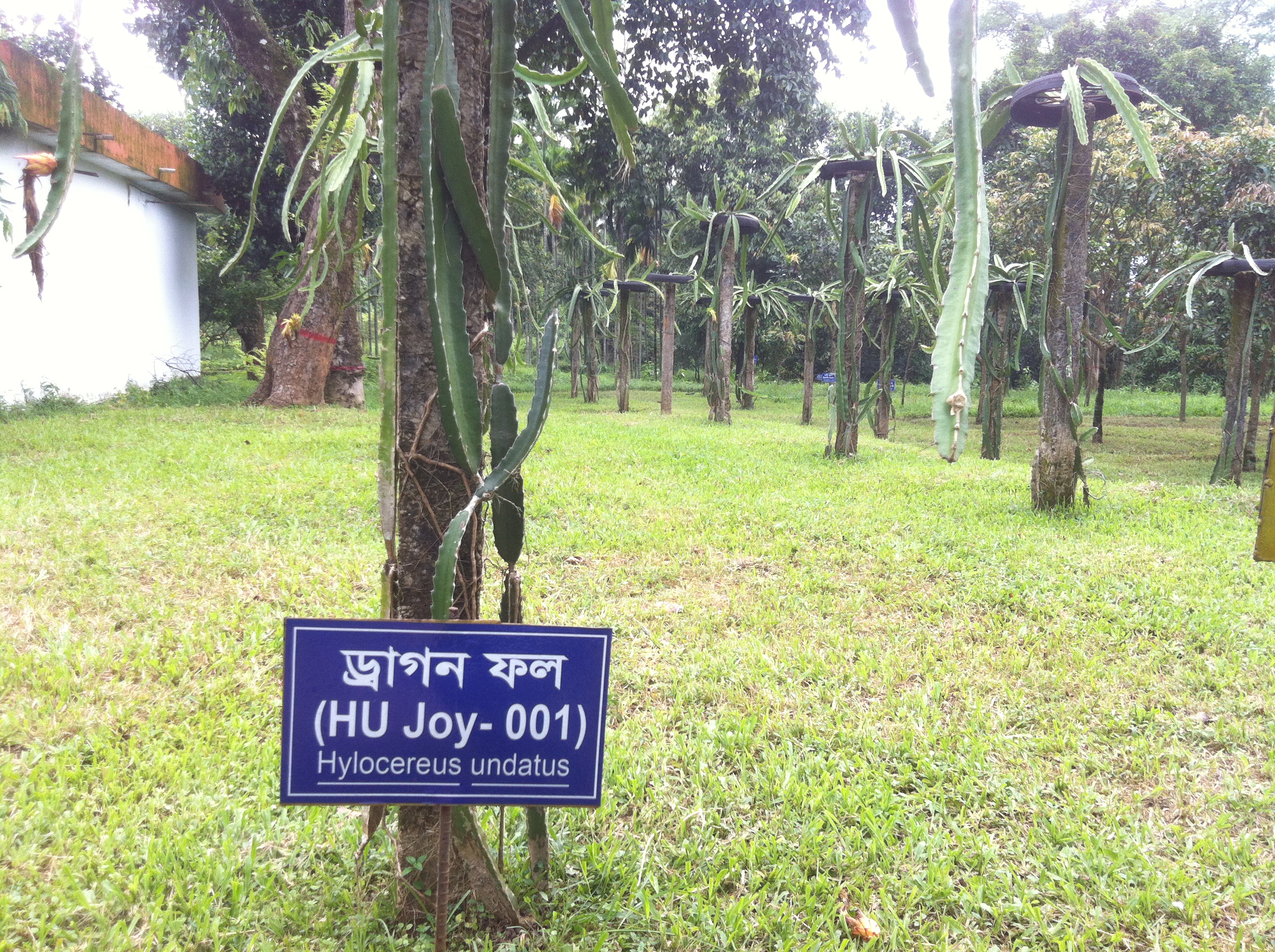
He gave dragon fruit as an example. "Even two or three years ago we imported dragon fruit. Now we dream of exporting dragon fruit from Bangladesh. Although it is a foreign fruit, dragon fruit grown in Bangladesh's climate is very tasty. It is sweeter and better in flavour than dragon fruit from other countries," he said.
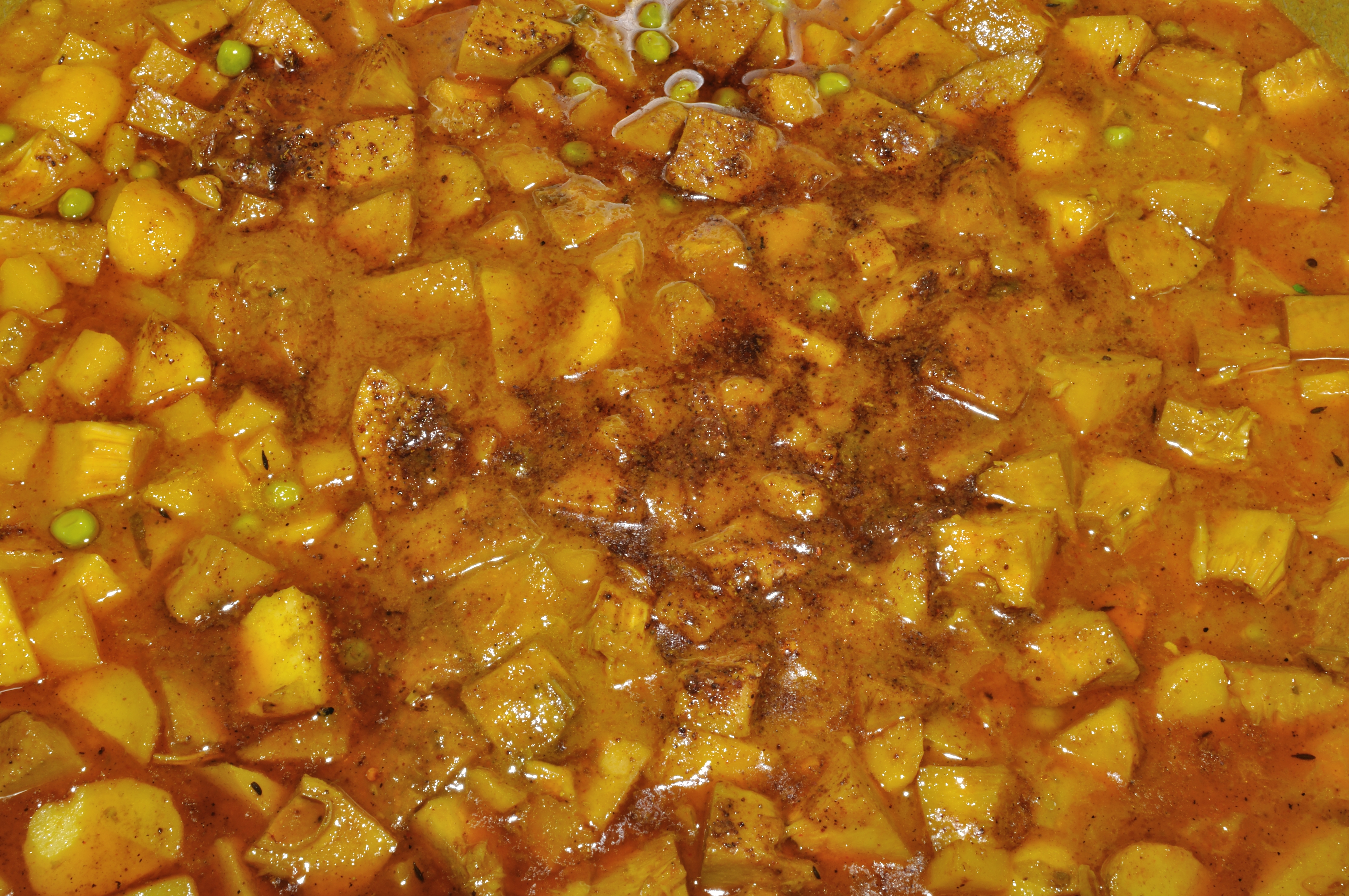
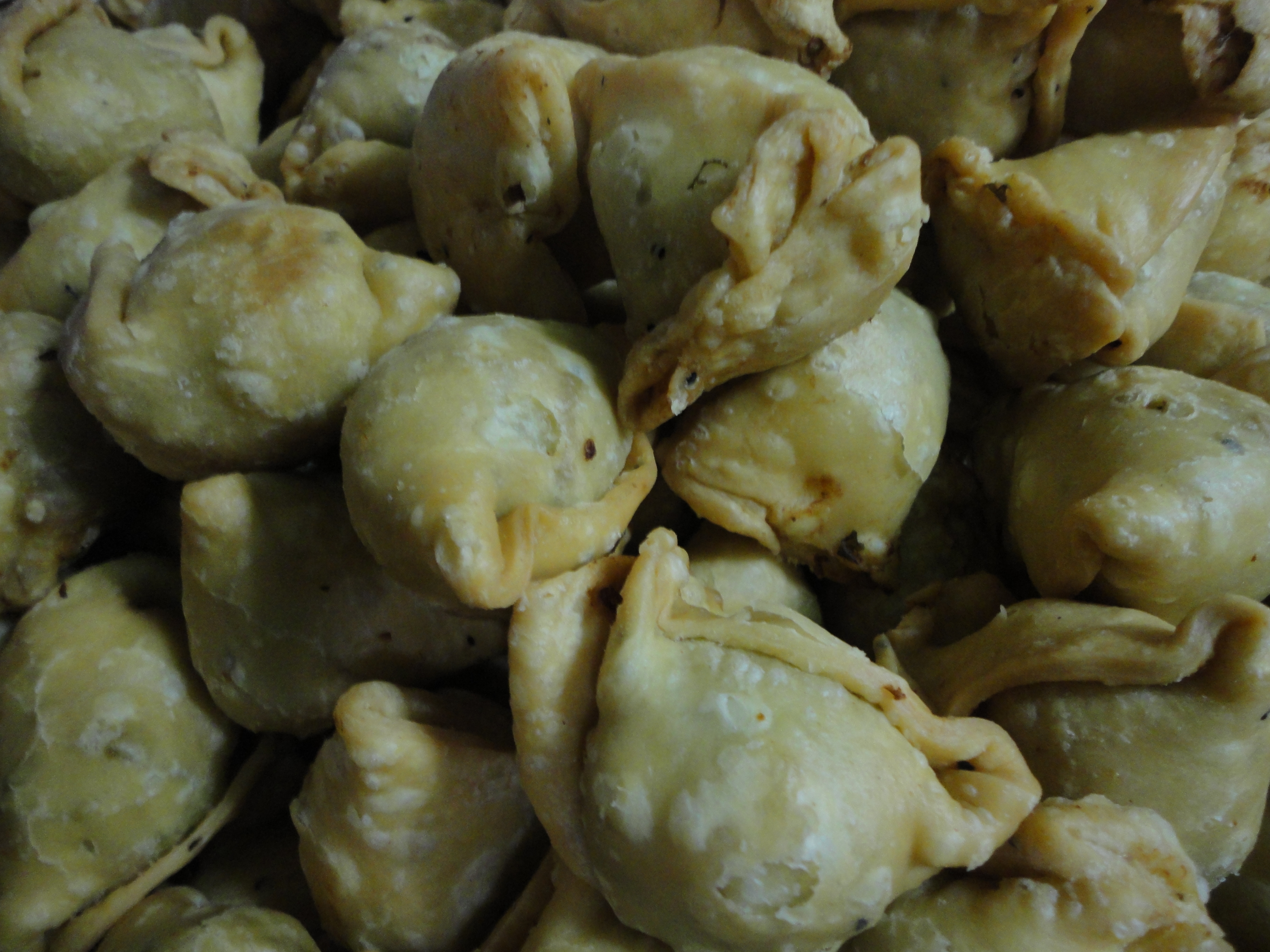
The government was also working on diverse uses of fruit, the minister said. Singara, samosa, kebabs and other foods were being made from jackfruit, and these products were highly nutritious, in his words. Various countries were in talks with Bangladesh about producing and marketing jackfruit-based food products, and the products were also being developed locally, he said.
Small entrepreneurs were getting involved in fruit processing and value addition, he said. Exports of mango, pineapple and jackfruit had already begun, and he hoped jackfruit exports would rise further that year. Contacts with China to expand jackfruit exports were continuing, the minister said. "We hope that in the days ahead fruit will become one of Bangladesh's strongest export products," he added.
The question on the farm budget
Journalists asked him about claims that the allocation for agriculture had been cut in the proposed budget for the 2026-27 fiscal year. The minister said it had not fallen but had risen by more than 10 per cent on the previous year, and that incentives and the development budget came on top of that. Those who said the allocation had been cut had perhaps not done the sums correctly, he said. By comparison, he added, the allocation for agriculture in that year's budget was higher than at any time in the past, and the government's main plans were being taken forward with agriculture at their centre.
The finance minister had presented the proposed budget in parliament on 11 June 2026. The news agency UNB reported that day that it set aside a combined Tk 43,335 crore for the agriculture, food, fisheries and livestock sectors, equal to 0.63 per cent of GDP, up from Tk 37,126 crore, or 0.61 per cent of GDP, in the revised budget for 2025-26. The same report described a Farmer Card programme: after a pilot covering more than 22,000 farmers in 11 upazilas, the government planned to distribute 42.5 lakh Farmer Cards in 100 upazilas during 2026-27, with one-time annual cash assistance of Tk 2,500 and an initial allocation of Tk 1,062.5 crore.
The Daily Star, counting a wider group of heads that included livestock, environment, climate change, land and water, reported on 12 June that the proposed budget allocated Tk 46,821 crore for agriculture and food security, up 2.3 per cent from the revised 2025-26 allocation of Tk 45,789 crore. The paper wrote that, with the whole budget growing 19 per cent to Tk 9.38 lakh crore, agriculture's share had fallen to 5.0 per cent from 8.7 per cent in 2023-24. The two reports counted different heads, and the minister's answer at the fair was his response to this debate.
Jackfruit, the national fruit
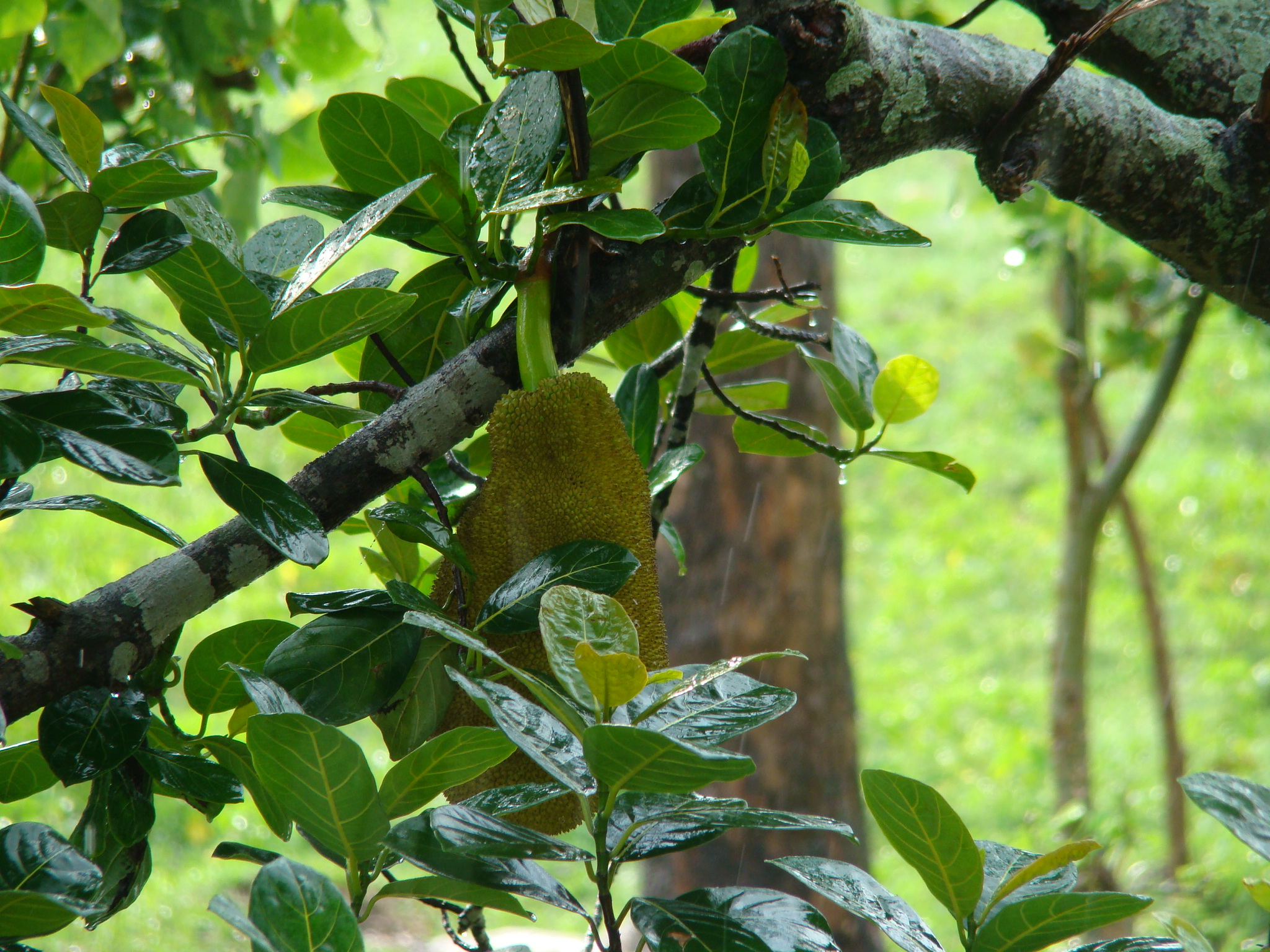
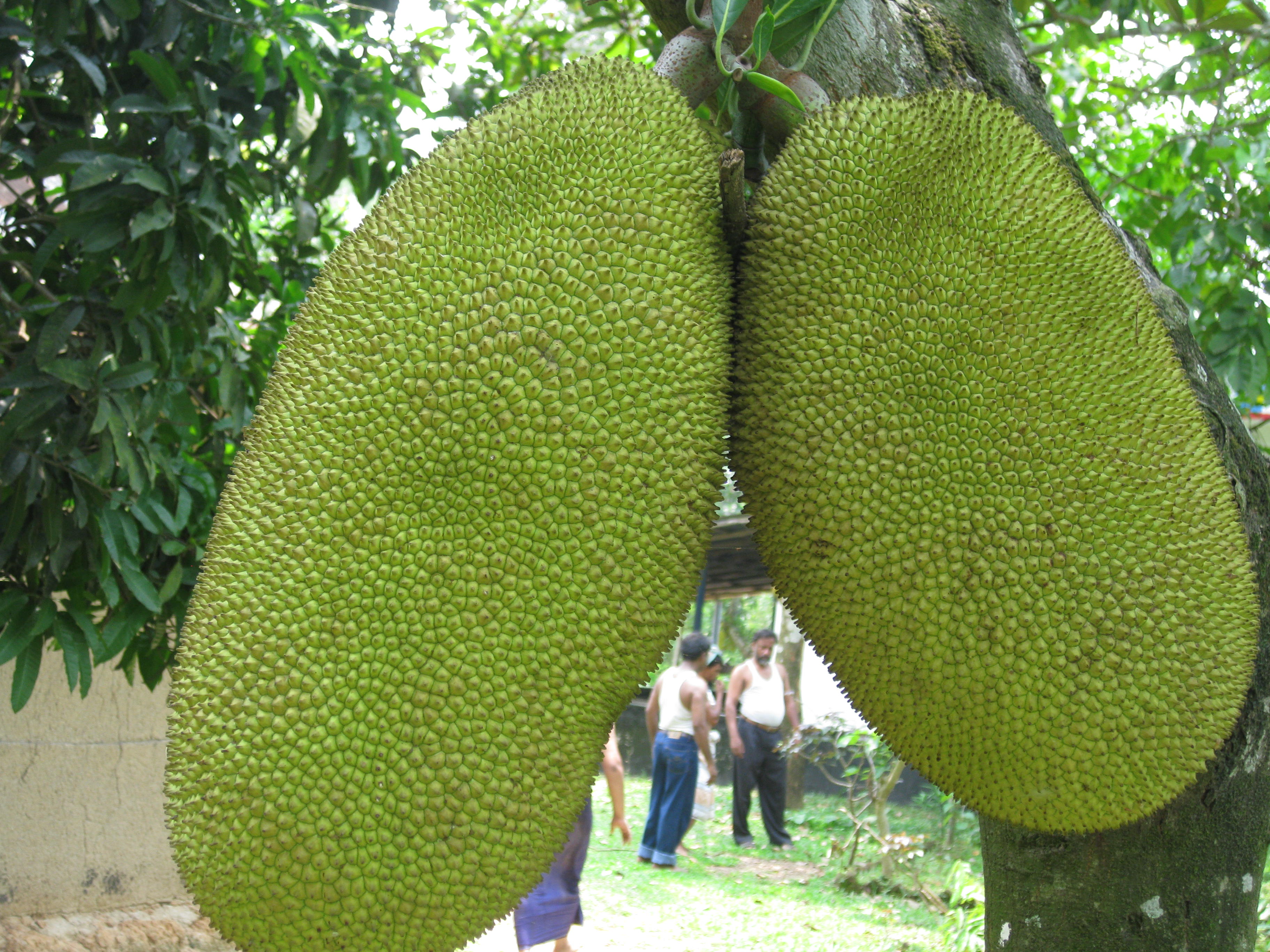
Jackfruit (Artocarpus heterophyllus) is the national fruit of Bangladesh and one of its most popular, according to Banglapedia, the national encyclopaedia published by the Asiatic Society of Bangladesh. Botanically the huge fruit is a sorosis, a modified form of the whole female flower cluster, holding 100 to 500 large oily seeds; the fleshy part that is eaten is the perianth. The species is native to the Western Ghats of India, where wild jackfruit still grows. It is found all over Bangladesh, and Banglapedia names Naogaon, Dinajpur, Savar, Madhupur and Sylhet as the main jackfruit areas.
The tree is an evergreen that grows 9 to 25 metres tall and is full of milky latex. It needs a humid, warm climate, enough soil moisture, deep loam soil and good drainage. It flowers in February and March, and the fruit ripens from May to July, so the minister spoke in the middle of the season. Banglapedia lists its uses: the juicy flesh is eaten fresh and can be kept as syrup; fried and boiled seeds and seed curries are popular; the unripe fruit is a good vegetable and is also pickled; the leaves and fruit waste feed livestock; and the timber is used for furniture and musical instruments. It also noted that, because the whole fruit cannot be kept for long, jackfruit was not well suited to export, although many people carried it abroad by air.
A review by researchers at Wageningen University and Research, published in Current Research in Food Science in November 2025, describes jackfruit as the world's largest tree-borne fruit: 30 to 100 centimetres long, 15 to 50 centimetres across and up to 55 kilograms in weight, growing straight from the trunk. Only about 40 per cent of its weight is the edible bulbs, the review says, so a large part of each fruit is wasted. A 2019 review in the International Journal of Food Science by R. A. S. N. Ranasinghe and colleagues notes that a mature tree can bear from ten to two hundred fruits and that there are two main types, firm and soft: in the firm type the flesh stays crisp at full ripeness, while in the soft type it turns soft, fibrous and very sweet.
How much jackfruit Bangladesh grows
Official estimates of the harvest differ from one agency to another. The Financial Express reported in November 2018 that, according to the Bangladesh Bureau of Statistics (BBS), the country harvested 0.95 million tonnes of jackfruit in 2016-17. In the same report Mizanur Rahman, then director of the Horticulture Wing of the Department of Agricultural Extension (DAE), said jackfruit accounted for 25 per cent of the fruit the country produced and that production was rising by around 3.0 per cent a year.
The Daily Star reported in June 2023 that the DAE estimated Bangladesh had grown nearly 19 lakh tonnes of jackfruit in the 2021-22 fiscal year, with the Dhaka region producing the most, followed by Chattogram, and that most of it was eaten at home. The latest BBS figures available before the fair, reported by The Financial Express in December 2025, put jackfruit production in 2024-25 steady at 1.02 million tonnes, while the area under the crop had fallen slightly, by about 4,000 acres.
The DAE's figures for fruit as a whole, reported by The Daily Star in February 2026, show national fruit production rising from 1.03 crore tonnes in 2008-09 to 1.51 crore tonnes in 2024-25, even as the land under fruit fell from 9.35 lakh hectares to 7.79 lakh hectares over the same period.
What is known about jackfruit's nutrition
The reports of the minister's remarks gave no nutrient figures for the jackfruit singara, samosa or kebab themselves. Reference data for the fruit are available. The United States Department of Agriculture's FoodData Central lists 100 grams of raw jackfruit as containing 95 kilocalories, 73.5 grams of water, 1.72 grams of protein, 0.64 grams of fat, 23.2 grams of carbohydrate and 1.5 grams of dietary fibre, along with 13.7 milligrams of vitamin C, 448 milligrams of potassium, 0.329 milligrams of vitamin B6, 29 milligrams of magnesium and 24 milligrams of calcium.
The 2019 review by Ranasinghe and colleagues describes jackfruit as rich in carbohydrates, proteins, vitamins, minerals and plant compounds. Compared with other tropical fruits, it says, jackfruit flesh and seeds contain more protein, calcium, iron and thiamine, and the fruit is one of the few that is rich in B-group vitamins. The seeds hold between 5.3 and 6.8 per cent protein, according to studies the review cites.
Singara, cutlets and kebabs are made from the unripe fruit, which has a different composition from ripe flesh. The Wageningen review explains that immature jackfruit has a fibrous structure that closely resembles meat, which is why it is used in meat-like dishes, and that in many Asian cuisines it has long been cooked as a vegetable, in soups and in curries. Its protein content is widely reported as below 2 per cent: relatively high for a fruit but lower than meat. The review notes that the Dutch Nutrition Centre classifies jackfruit as unsuitable as a meat substitute because of its low protein, iron and vitamin B12, while its dietary fibre gives it value as part of a balanced, plant-based diet. It is rich in carbohydrates and fibre and low in fat.
The review also warns that the common way of preparing the fruit, boiling, leaches water-soluble compounds such as sugars and vitamins into the cooking water, and that heat-sensitive nutrients such as vitamin C may break down. Studies it summarises found that adding jackfruit to chicken balls made them softer because jackfruit has less protein and more water than chicken, and that tasting panels reacted in different ways: some preferred products with jackfruit and others did not.
The figures above describe the fruit itself. The nutrition of a fried snack depends on its whole recipe, including the pastry, the oil and the other ingredients, and the reports gave no such recipe. Readers with a particular diet or a health condition should ask a doctor or a qualified nutritionist about including these foods.
Why processing matters: losses after harvest
The case for turning jackfruit into other foods rests largely on how much of the crop is lost. In 2018 the DAE's horticulture director told The Financial Express that, even after domestic and export demand was met, 45 per cent of the national fruit was wasted every year. In December 2021 The Business Standard reported the Bangladesh Agricultural Research Institute (BARI) as saying that 43 to 45 per cent of the jackfruit grown in the country rotted each year for lack of processing and preservation, leaving farmers with no choice but to sell fruit at one third of the normal price.
At a workshop at the Fruit Research Station in Dhaka in November 2021, Dr Golam Ferdous Chowdhury, a scientist in BARI's Postharvest Technology Division, said that up to 50 per cent of the jackfruit grown in Bangladesh, worth around Tk 500 crore, was being wasted, mainly because the fruit rots within a few weeks if it is not eaten or preserved. The workshop was held by the division with funding from a jackfruit postharvest and marketing project of the Krishi Gobeshona Foundation, The Financial Express reported.
The 2019 review explains why the fruit is hard to handle. Its flesh is highly perishable and soon loses flavour, softens and browns at cut surfaces; more than half the fruit is inedible; the size and shape vary too much for easy packaging; and the thick skin and sticky latex make peeling slow and labour-intensive. The authors suggested ready-to-eat cut bulbs, chips and other processed products, made with methods such as freeze-drying and vacuum frying, as ways to widen its use. The Wageningen review adds that the immature fruit can be kept from browning with solutions of citric and ascorbic acid and preserved by heat treatment, including canning.
What researchers and entrepreneurs had already developed
BARI had released three jackfruit varieties, BARI Kathal-1, BARI Kathal-2 and BARI Kathal-3, Dr Golam Ferdous Chowdhury told The Daily Star in June 2023. Its Postharvest Technology Division had also been working on products. In December 2021 BARI scientists reported making yoghurt, chocolate, ice cream and cheese from jackfruit pulp under the Krishi Gobeshona Foundation project; the products needed only pulp and milk, with pulp making up 3 to 5 per cent of the yoghurt, 5 to 8 per cent of the ice cream and 50 to 60 per cent of the cheese. Md Hafizul Haque Khan, then the division's chief scientific officer, said scientists had also developed about 20 other products, including chips, pickles, cutlets, jams and jellies.
The foods the minister named were not new to Bangladeshi researchers. In October 2023 The Business Standard quoted Dr Ferdous as saying that BARI scientists had developed sandwiches, rolls, cutlets, singaras, samosas, juice, custard, cake and ice cream from raw jackfruit. The same report described burger patties made from jackfruit for export at a factory financed by the Palli Karma-Sahayak Foundation (PKSF) and run by the non-government organisation CDIP. According to PKSF and CDIP officials, each patty was 58 per cent jackfruit, 20 per cent a mixture of flour and corn flour and 22 per cent other ingredients such as onion, ginger, coriander leaves, curry powder and chilli powder, and used the fibrous strands from inside the fruit. The project's investment was Tk 1.89 crore, of which PKSF provided Tk 1.44 crore, and PKSF had trained entrepreneurs in fruit recipes with BARI's help.
Efforts to sell processed jackfruit abroad went back several years. The Financial Express reported in November 2018 that companies of the Bangladesh Agro-based Product Producers and Merchants Association (BAPPMA) planned to supply osmotically dehydrated jackfruit and jackfruit seed powder to the European Union, and that the government's a2i programme had begun engaging the private sector in processing chips and a meat substitute. The paper put the global meat-substitute market at US$4.17 billion in 2017 and quoted a forecast of $7.54 billion by 2025.
Exports and the China market
Until the fair, jackfruit exports had been small. The Daily Star reported in June 2023 that, by the DAE's account, export volumes were insignificant. Md Rezaul Karim, director of the DAE's Plant Quarantine Wing, told the paper that Bangladesh had exported 469 tonnes of jackfruit up to 15 June of the 2022-23 fiscal year, and that exports in the previous year had totalled 1,300 tonnes. In 2018 the DAE had said that a good amount was shipped in raw form to the Middle East and the European Union.
China was the market the minister mentioned. Its customs authority, the General Administration of Customs of China (GACC), approved Bangladeshi mangoes in July 2024, and the first 50-tonne shipment left in late May 2025 after six years of negotiations, the trade publication FreshFruitPortal reported at the time; it noted that the GACC had not yet approved jackfruit or guava, and that the agriculture secretary had said Bangladesh was considering exporting jackfruit and lychees. On 23 October 2025 the Chinese ambassador to Bangladesh, Yao Wen, said China was working to provide market access for Bangladeshi jackfruit and guava, the state news agency BSS reported. As early as 2018 the president of the Bangladesh Fruits, Vegetables and Allied Products Exporters Association had told The Financial Express that the Chinese market was dominated by Thai and Vietnamese jackfruit.
Dragon fruit and the fall in fruit imports
Dragon fruit, the minister's example, reached Bangladesh through research institutions. The Daily Star reported in 2013 that the Bangladesh Agricultural University (BAU) Germplasm Centre had collected four foreign fruits, among them dragon fruit from Vietnam, in 1999 and had begun producing saplings in 2007. BARI later released its own variety, BARI Dragon Fruit-1, the Dhaka Tribune reported in December 2023.
In the same report the Dhaka Tribune said, citing agronomists, that production had grown from 66 tonnes in 2014 to 25,700 tonnes in 2023, with commercial orchards in Dhaka, Mymensingh, Gazipur, Tangail, Pabna, Bogura, Rajshahi, Natore, Nilphamari, Narsingdi, Chattogram and the Chattogram Hill Tracts. Local dragon fruit then sold for Tk 150 to Tk 400 a kilogram and imported fruit for Tk 500 to Tk 800. The BBS figure is lower: it put dragon fruit production at 12,522 tonnes in 2024-25, up from 9,754 tonnes the year before, The Financial Express reported in December 2025.
The minister's point about imports matched the DAE figures The Daily Star published in February 2026: fruit brought from abroad fell from 8.22 lakh tonnes in 2021-22 to 5.25 lakh tonnes in 2024-25. Serajul Islam, president of the Bangladesh Fresh Fruits Importers Association, linked much of that fall to import duties, which rose from Tk 25 to Tk 40 a kilogram in 2023, the paper reported.
The National Fruit Fair
The National Fruit Fair, a three-day event organised by the Ministry of Agriculture, had been held in June on the KIB grounds in Dhaka's Khamarbari area in earlier years too. In June 2022 it ran under the theme "Year-round fruit production brings both money and nutrition", with 67 government and private organisations taking part and the fair open from 9am to 9pm, The Financial Express reported. In 2024 it was held from 6 to 8 June under the theme "Fruits, Nutrition, and Smart Agriculture for a Wealthy Bangladesh"; eight government and 55 private organisations displayed fruits and fruit-growing technologies at 63 stalls, The Business Standard reported.
The 2026 fair showed seasonal and less common fruits from different regions of the country together with fruit-based processed foods, and farmers, entrepreneurs and public and private organisations took part, Jagonews24 reported. Senior officials of the Department of Agricultural Marketing (DAM), the DAE and the Bangladesh Agricultural Development Corporation (BADC) attended the opening.
Photo: Shahnoor Habib Munmun / Wikimedia Commons (CC BY 3.0)
Sources: Jagonews24 (18 June 2026), UNB (11 June 2026), The Daily Star (7 May 2013, 16 June 2023, 14 February 2026, 12 June 2026), The Financial Express (17 June 2022, 10 November 2018, 26 November 2021, 23 December 2025), The Business Standard (6 December 2021, 3 October 2023, 9 June 2024), Dhaka Tribune (8 December 2023), BSS via Prothom Alo (23 October 2025), FreshFruitPortal (28 May 2025), Banglapedia (Asiatic Society of Bangladesh), USDA FoodData Central, International Journal of Food Science (Ranasinghe et al., 2019), Current Research in Food Science (Swinkels et al., Wageningen University and Research, 2025)

Comments
(0)