
Jackfruit, the national fruit of Bangladesh, is familiar to everyone in the country. On Jackfruit Day, 4 July 2026, Jagonews24 gathered some lesser-known facts about the fruit, which some people love for its sweetness and others avoid for its strong smell. They are checked here against a horticultural reference, USDA nutrient data and Bangladeshi newspapers.
The largest fruit on any tree
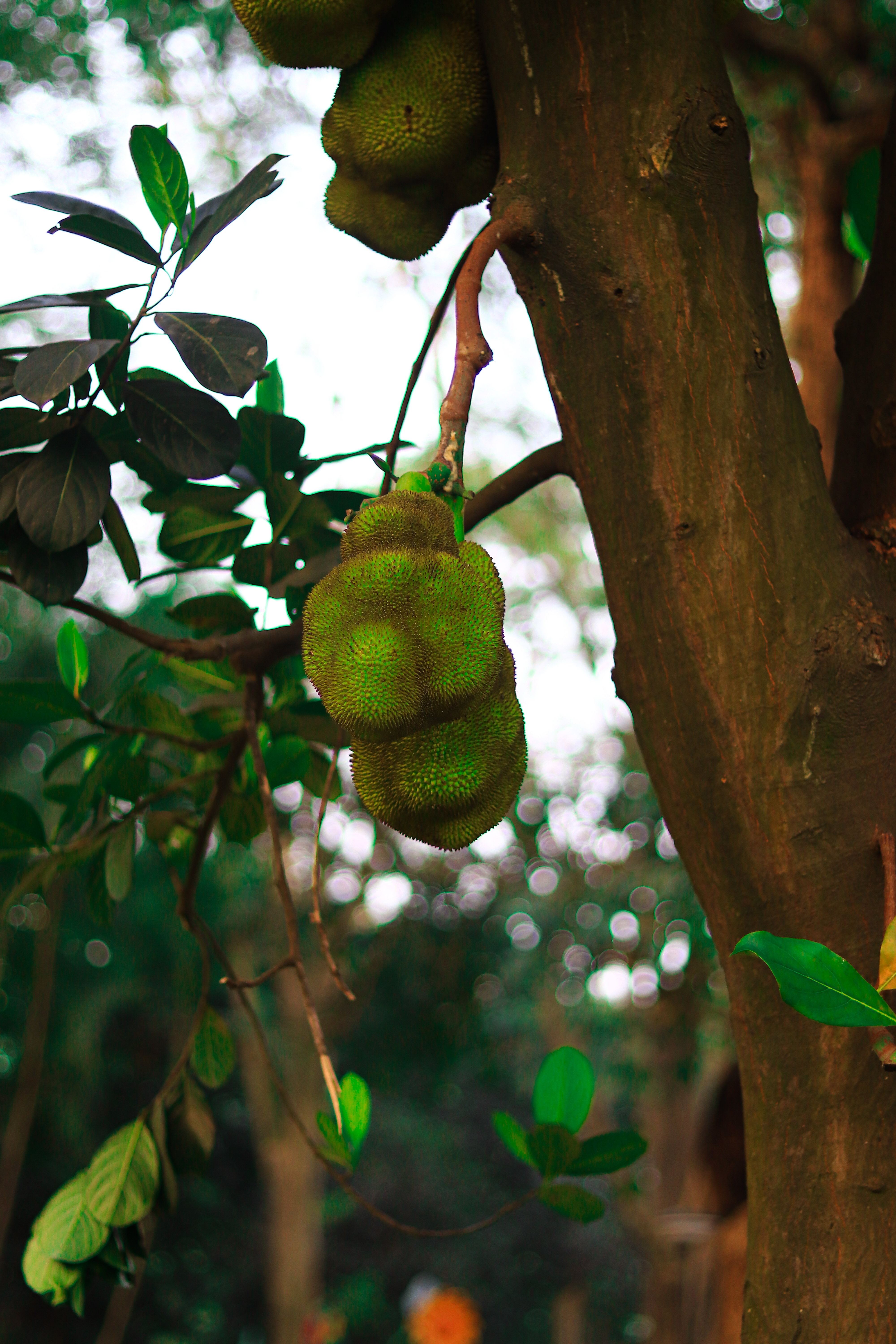
According to horticulturist Julia Morton's Fruits of Warm Climates, published online by Purdue University, the jackfruit is the largest of all tree-borne fruits. It may be 20 to 90 cm long and 15 to 50 cm wide, and usually weighs 4.5 to 20 kg, sometimes as much as 50 kg.
Such heavy fruit does not hang from branch tips: short, stout flowering twigs grow from the trunk and large branches, and on very old trees even from the base, so the fruit hangs from the trunk and thick limbs. Wikipedia notes that the tree can grow up to 30 metres tall.
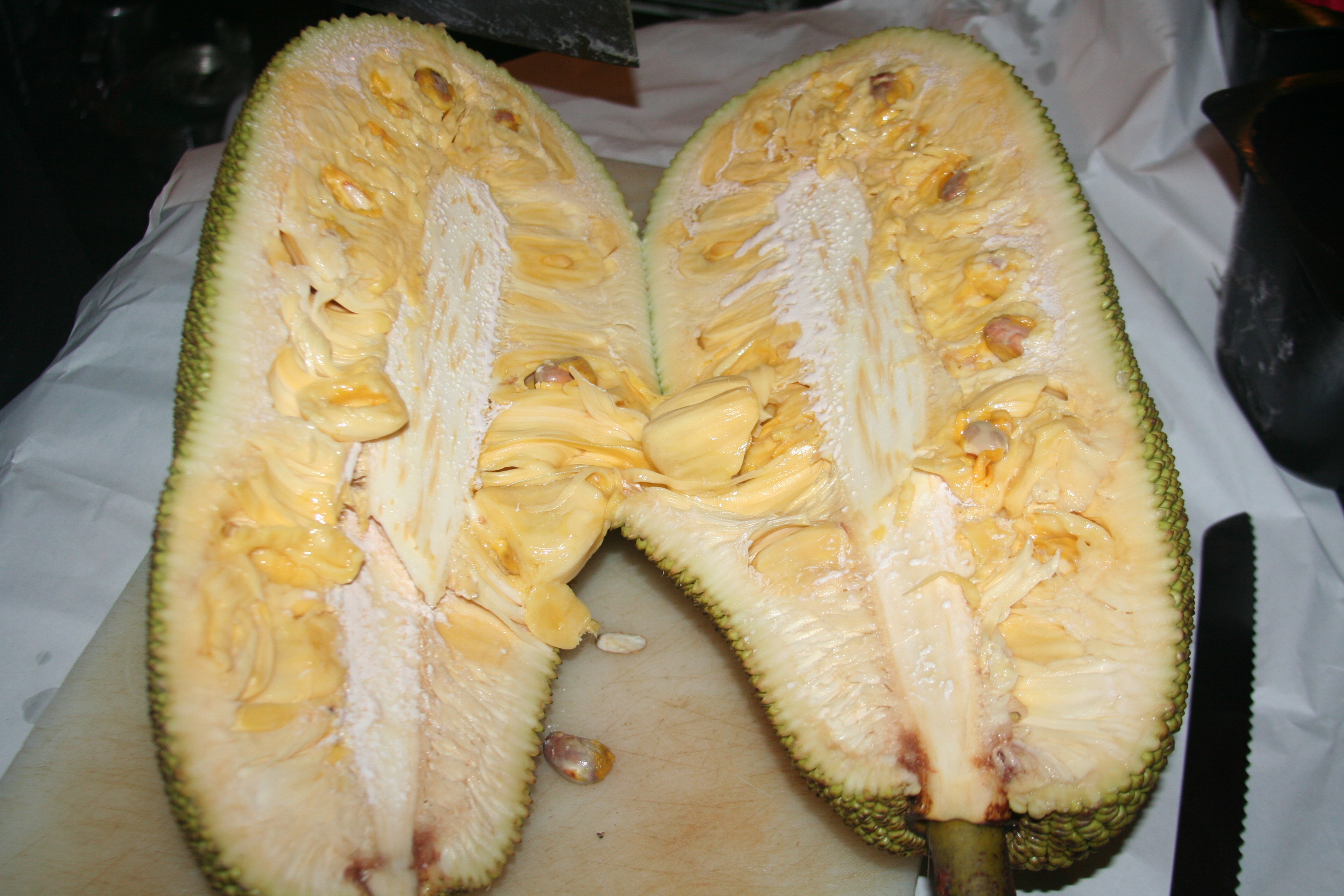
Inside are yellow bulbs, each enclosing one seed, and Morton puts the number of seeds in a single fruit at 100 or up to 500. Raw seeds are indigestible because they contain a trypsin inhibitor, which is destroyed by boiling or baking.
Born in the Western Ghats, grown across continents
The jackfruit is believed to be native to the rainforests of India's Western Ghats. It is grown commercially across South and Southeast Asia, including Bangladesh, India, Sri Lanka, Myanmar, Thailand, Malaysia, Indonesia, the Philippines and southern China. In Africa it is often planted in Kenya and Uganda. It reached northern Brazil in the mid-19th century, and there are trees in Hawaii and Florida too.
A tree starts bearing between 4 and 14 years of age. In suitable conditions it can stay productive for more than a hundred years, although yields fall as it ages.
Smell, nutrition and a meat substitute
Morton describes the unopened ripe fruit as giving off a strong, unpleasant odour, while the pulp of the opened fruit smells of pineapple and banana. That smell is a large part of why the jackfruit has never been as popular in the West as in Asia.
USDA FoodData Central lists 100 g of raw jackfruit at 95 kcal, with 73.46 g of water, 23.25 g of carbohydrate, 1.5 g of dietary fibre, 1.72 g of protein, 448 mg of potassium, 29 mg of magnesium, 13.7 mg of vitamin C and 0.329 mg of vitamin B6. Most of the carbohydrate is sugar. Morton notes that ripe fruit eaten in excess can cause diarrhoea, so moderation is wise.
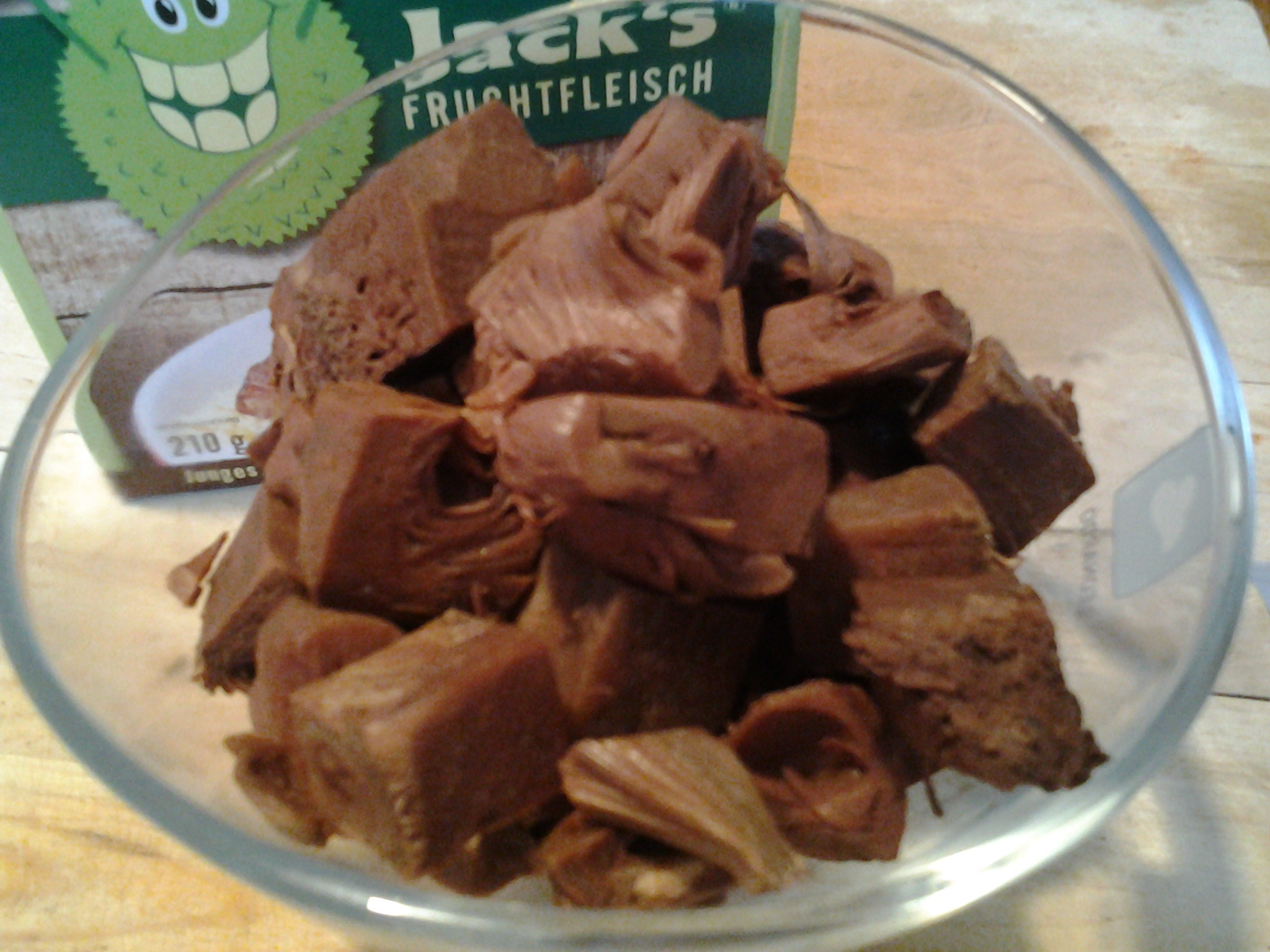
Unripe jackfruit has long gone into South and Southeast Asian curries. In December 2024 the US trade publication Agriculture Dive reported that the unripe fruit is fibrous and chewy, with a texture like shredded meat, which has made it a popular substitute for pulled pork in sandwiches, carnitas in tacos and chicken in barbecue sauce. The Jackfruit Company partnered with Smashburger in January 2023 to offer a jackfruit patty in New York, New Jersey and Colorado.
Timber, fodder and Bangladesh's harvest
Jackwood is termite-proof and fairly resistant to fungal and bacterial decay, and it changes with age from orange or yellow to brown or dark red. Morton rates it superior to teak for furniture, and it is used in construction, oars, tools and musical instruments, including the Indian veena. A rich yellow dye boiled from the sawdust or heartwood is used to dye the cotton robes of Buddhist monks. Cattle eat the fruit, the surplus rind and the young leaves.
In December 2025 The Financial Express, citing Bangladesh Bureau of Statistics (BBS) data, reported that jackfruit production held steady at 1.02 million tonnes in fiscal 2024-25, although the area under the crop fell by about 4,000 acres. In June 2023 The Daily Star quoted a Bangladesh Agricultural Research Institute (BARI) scientist as saying Bangladesh is the world's second-largest jackfruit producer after India; Department of Agricultural Extension data put the Dhaka region first for output, then Chattogram. The Plant Quarantine Wing said in the same report that the country had exported 1,300 tonnes of jackfruit the previous fiscal year.
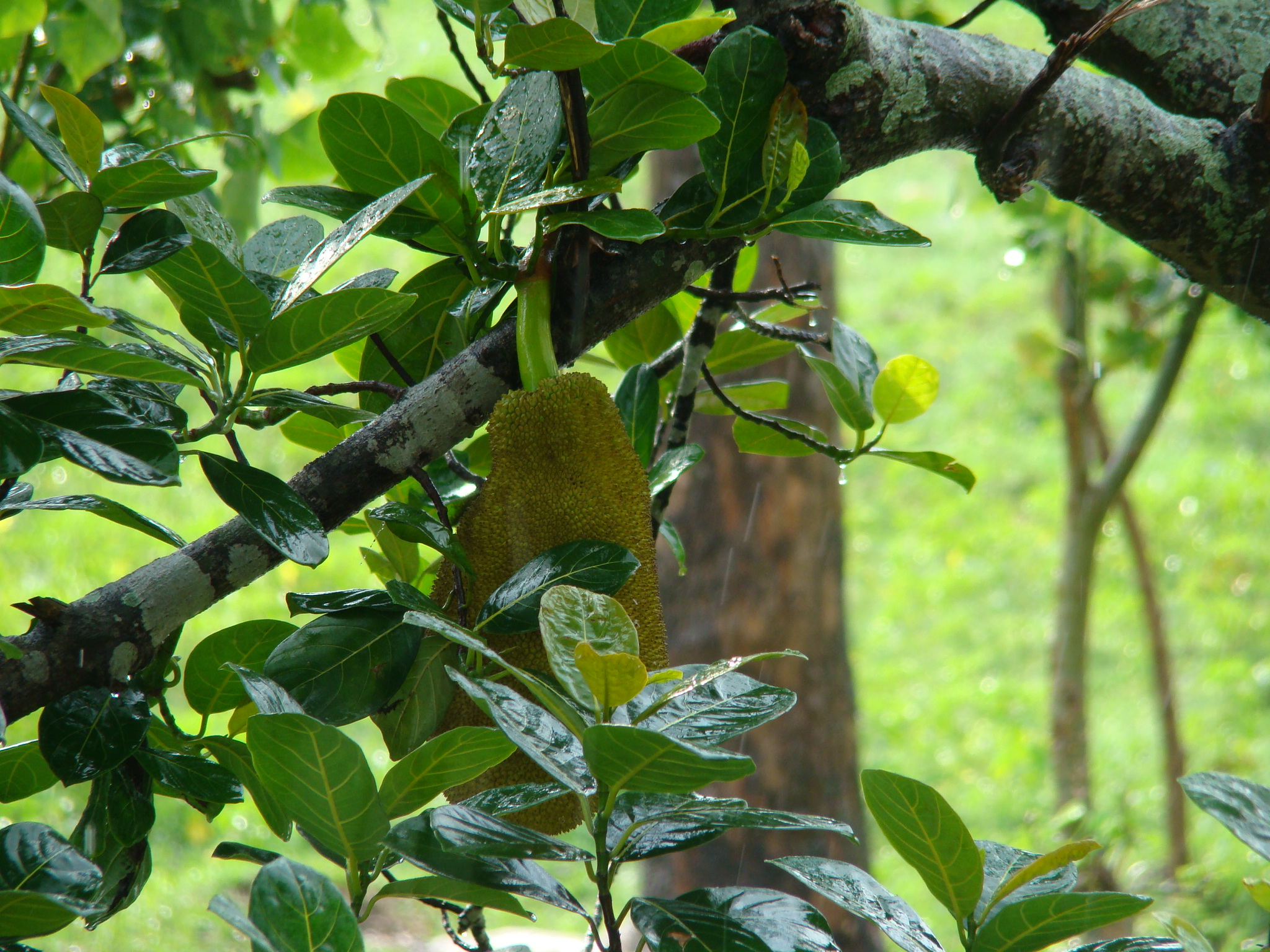
Photo: A S M Jobaer / Wikimedia Commons (CC BY-SA 4.0)
Sources: Jagonews24, Purdue University (Julia Morton, Fruits of Warm Climates), USDA FoodData Central, The Financial Express, The Daily Star, Agriculture Dive, Wikipedia
Comments
(0)