
Borrowing from relatives, friends or acquaintances for medical bills, a child's education, household costs or business is nothing unusual. Writing in Channel i Online, Farzia Hossain explains that Islam does not forbid borrowing in need, but treats a loan as a trust and a financial obligation, and asks that repayment be taken seriously.
Deliberately delaying repayment despite having the means, ignoring the lender's calls or making excuses is not acceptable in Islam. The Prophet Muhammad (peace be upon him) said that stalling on a debt by someone able to pay is injustice (Sahih al-Bukhari 2400; Sahih Muslim 1564). The money owed carries another person's right; the lender may need it for their own needs.
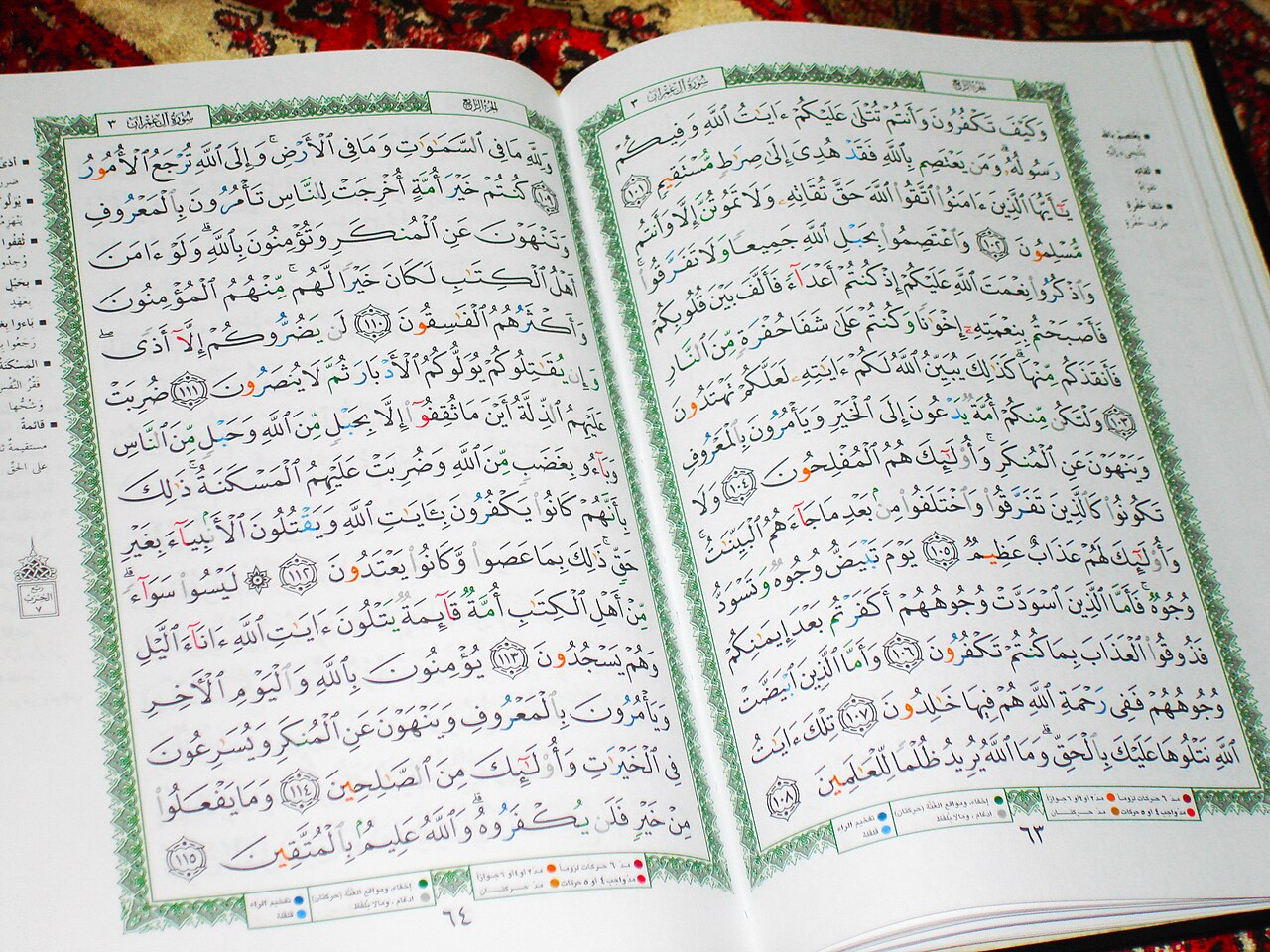
Verse 282 of Surah Al-Baqarah, the longest verse in the Quran, instructs that loans be written down with the amount and the date of repayment, and that witnesses be present. In the writer's view, this shows how much Islam values transparency and responsibility in financial dealings.
It is different if the borrower is genuinely in hardship. Then he should tell the lender his situation and ask for more time. Verse 280 of Surah Al-Baqarah says that a borrower in difficulty should be given time until his circumstances improve, and that forgiving the debt is better still.
The intention to repay should be there from the moment of borrowing. The Prophet (peace be upon him) said that whoever takes people's money intending to repay it, Allah will help him repay; and whoever takes it intending to squander it, Allah will ruin him (Sahih al-Bukhari 2387).
The advice is to weigh one's means and repayment plan before borrowing, keep account, try to repay on time and tell the lender if trouble arises. In the writer's words, withholding what is owed despite being able to pay violates people's rights, and honesty in repaying debts is the duty of every Muslim.
Photo: Amr Fayez / Wikimedia Commons (CC BY 2.5)
Source: Channel i Online


Comments
(0)