
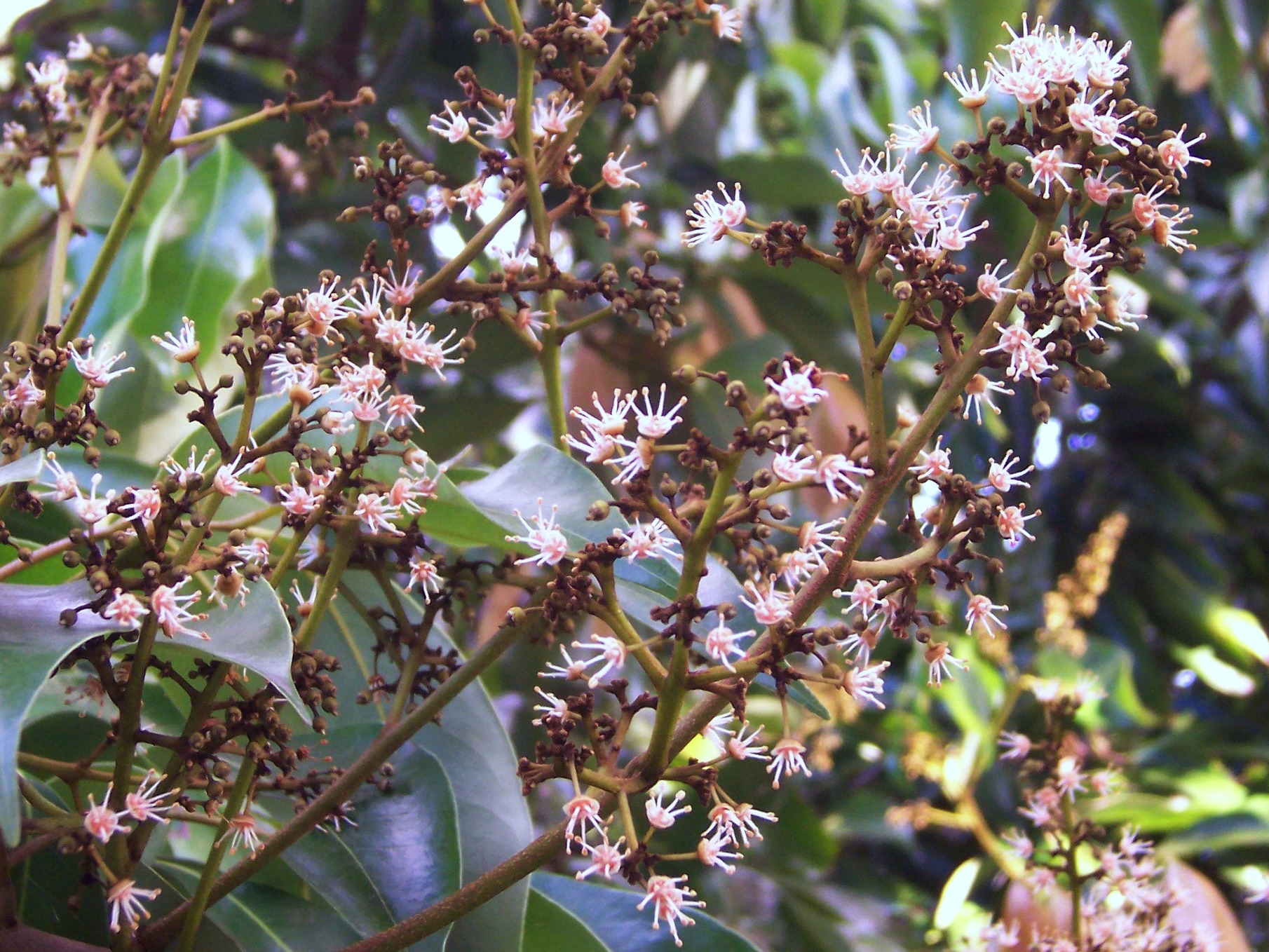
Litchi trees across Ishwardi upazila in Pabna district were heavy with blossom at the start of March 2026, and farmers and agriculture officials were hoping for a bumper harvest. Jagonews24, reporting from Ishwardi on 2 March 2026, found blossom on 80 to 85 per cent of the trees in seven of the upazila's litchi-growing areas, and the scent of the flowers hung over the roads and village paths of an upazila long known as the "kingdom of litchis".
Orchard trees were covered in clusters of golden blossom swaying in the spring breeze, and growers were busy watering their trees, spraying them and tending their orchards so that the flowers would not drop. According to the upazila agriculture office, Ishwardi had 11,270 litchi orchards, and the seasonal litchis produced in the area the previous year had a market value of about Tk 600 crore. With so much blossom on the trees, growers said they hoped the value of the 2026 crop could break every earlier record.
The hope came after a hard season. Farmers told the paper that the 2025 harvest had been poor and that many growers had lost money; some had even talked of cutting down their orchards. Whether the blossom of early March would turn into fruit still depended on the weather of the weeks ahead, as the growers themselves said.
Blossom on 80 to 85 per cent of the trees
The report covered Joynagar, Mirkamari, Maniknagar, Shahapur, Jagannathpur, Bharoimari and Aotapara, the areas where much of the upazila's litchi is grown. In these places 80 to 85 per cent of the trees had blossomed, and each flowering tree was full of panicles. Growers were watering their trees, spraying them and working in the orchards to stop the blossom from dropping.
Farmers said litchi blossom usually appears in Ishwardi from the last week of the Bengali month of Magh to the middle of Falgun, that is, in the late winter and the first weeks of spring.
Abdul Mazid, a litchi farmer in Shahapur village, told Jagonews24: "I have 135 litchi trees in my orchard. Apart from 7 or 8, every tree has plenty of blossom. I am tending the orchard regularly so that the blossom does not drop. I am watering each tree as needed and spraying pesticide. Judging by the way the blossom has come, I hope the yield will be good."
Rafiqul Islam Faruki, a farmer in Maniknagar village, said: "There is a lot of litchi blossom this season. If the blossom or the young fruit does not drop because of natural disasters, the yield will be very good. Farmers lost money last year because the yield was poor. Seeing the blossom on the trees this year, it looks as if farmers will profit."
Abul Hashem, a litchi farmer in Mirkamari village, described what the crop means to the area: "Litchi is the main cash crop for the people of this upazila. If the litchi yield is not good, it has a huge effect on the socio-economic condition of the people here. Many suffered heavy losses last year because the yield was low, and many were heard talking about cutting down their litchi orchards. Inshallah, the yield is good this year, and farmers are expected to profit."
What the agriculture office said
Ishwardi upazila agriculture officer Abdul Momin told Jagonews24: "Litchi has been cultivated on 3,100 hectares in this upazila this year. Blossom has come on the trees in the orchards, and I hope the yield will be good. We are giving farmers various kinds of advice on preventing blossom drop."
The Jagonews24 report gave the area in two ways: once as 3,100 acres, citing the upazila agriculture office, and once as 3,100 hectares, in the officer's own words. The hectare figure is the one that matches the earlier official figures for the upazila. In April 2023 the then upazila agriculture officer put Ishwardi's litchi area at about 3,100 hectares; in 2024 the Department of Agricultural Extension (DAE) in Pabna gave 3,150 hectares; and in March and April 2025 DAE sources again gave 3,100 hectares for Ishwardi.
Those earlier DAE figures also show how much of Pabna's litchi grows in this one upazila. In the 2024 season the DAE said litchi was cultivated on 4,721 hectares in Pabna district, of which 3,150 hectares were in Ishwardi, with a district production target of 48,801 tonnes. For the 2025 season the DAE set a district target of 4,778 hectares and 46,790 tonnes, and in May 2025 DAE Pabna told The Daily Star that litchi was grown on about 4,500 hectares in the district, roughly 3,000 of them in Ishwardi, with the rest in Sadar, Atgharia, Chatmohar and Bhangura upazilas.
Estimates of what the crop is worth have varied widely from report to report. In April 2023 the then upazila agriculture officer said litchi trade in Ishwardi could reach about Tk 500 crore that season, while in March 2025 a leading grower told The Daily Star that Ishwardi growers sell litchi worth about Tk 2,000 crore each season. The figure in the 2026 report, about Tk 600 crore for the previous year's crop, came from the upazila agriculture office.
Three difficult seasons before 2026
The farmers' caution in March 2026 reflected the three seasons before it, which newspapers in Pabna had followed closely.
In 2023, rain in mid-February made much of the early blossom drop, according to a Daily Star Bangla report of 9 April 2023. The upazila agriculture officer said then that more than 60 per cent of the trees had not blossomed that year, after about 80 per cent had flowered the year before. She said rain had kept bees from coming out, which hampered pollination, and that heavy watering when the blossom was due had made many trees put out new leaves instead of flowers.
In 2024 the trees again flowered heavily. On 1 April 2024 a DAE official in Pabna told Daily Star Bangla that every tree had more blossom than the year before, and the department expected output to rise by at least 25 per cent if there were no major storm. Two rounds of rain and hail in mid-Chaitra then rotted an estimated 40 to 50 per cent of the blossom, and the heat at the start of summer made many fruitlets drop. The deputy director of DAE in Pabna disputed the growers' estimates, saying the trees had carried the most blossom in memory, but he accepted that drought had caused some damage. When picking began in May 2024, a trader said trees were giving 3,000 to 3,500 fruits each instead of the usual 5,000 or more, and a leading grower said temperatures above 35 degrees Celsius harm the crop, while that summer they had stayed at 37 to 38 degrees or more for much of the time.
The 2025 season was worse. In mid-March 2025 growers in Ishwardi said 70 to 80 per cent of their trees had put out new leaves instead of blossom. A leading grower with 600 trees said only 120 to 150 had buds, and that he had not seen anything like it in 40 years. The upazila agriculture officer said officials were not sure of the cause and suggested that climate change could be a factor. In late April 2025 she warned that output might fall by about 30 per cent, and by May 2025, when picking was under way, she said Ishwardi, which normally yields at least 400 to 500 crore litchis, had produced barely around 100 crore, blaming hot spells and bad weather that withered most of the buds. A seasonal trader who paid Tk 8 lakh for 400 trees said he expected at least 8 lakh fruits but got no more than 4 lakh. Growers in Pabna's Chatmohar and Bhangura upazilas, by contrast, reported a good crop that year.
This was the "last year" the Ishwardi farmers spoke of in March 2026, when they described losses and talk of cutting down orchards.
Ishwardi, an upazila on the Padma
Ishwardi lies in the west of Pabna district, on the bank of the Padma (Ganges). Banglapedia, the national encyclopedia, gives its area as 250.89 square kilometres. It borders Lalpur and Baraigram upazilas to the north, Kushtia Sadar and Mirpur upazilas of Kushtia district and the Ganges to the south, Pabna Sadar and Atgharia upazilas to the east, and Bheramara upazila and the Ganges to the west. Its rivers are the Padma and the Kamala, and Pati Beel is its best-known wetland.
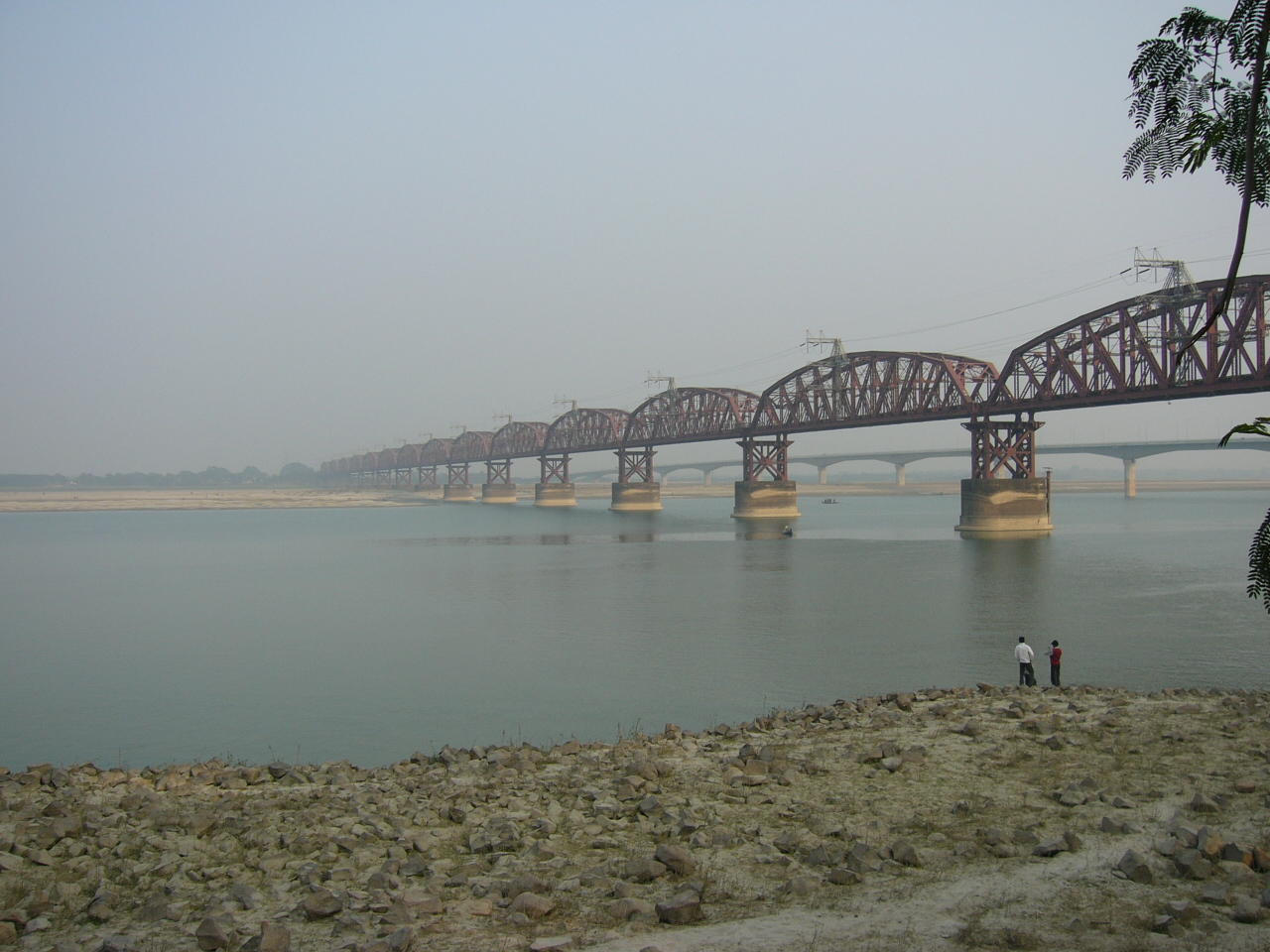
Ishwardi thana was formed in 1949 and became an upazila in 1983. It has one municipality and seven unions: Dashuria, Pakshi, Muladuli, Lakshmikundi, Sara, Sahapur and Silimpur. The 2011 census counted 313,932 people in the upazila. The Hardinge Bridge, about 5,940 feet long, was built across the Padma here in 1912, and the encyclopedia also lists the Lalon Shah Setu among the upazila's landmarks.
Banglapedia lists Ishwardi's main crops as paddy, wheat, sugarcane, betel leaf, potato, onion and vegetables, and its main fruits as mango, jackfruit, litchi, papaya, lemon, plum, palm and wood apple. The upazila is also home to several agricultural research centres, among them a regional agricultural research centre, a pulses research centre and the sugarcane research centre, which Banglapedia describes as the only one in Bangladesh.
Pabna is a comparatively new name among Bangladesh's litchi districts. Banglapedia's article on the fruit names Rajshahi, Rangpur, Dinajpur, Jessore, Kushtia, Mymensingh and Narayanganj as the main growing areas, and the Daily Star Bangla described Pabna in April 2024 as a new production hub for litchi.
How a litchi tree comes into blossom
The litchi, Litchi chinensis, belongs to the soapberry family, Sapindaceae, and came originally from China. Banglapedia describes it as a fruit that needs a warm, humid climate, is harmed by dry, hot air, grows best in deep, loamy alluvial soil, and prefers moist soil but cannot bear waterlogging. It ranks second only to mango among the tree fruits of Bangladesh. Its small, off-white flowers grow in large branched clusters at the ends of the shoots, and the edible part of the fruit is the aril, the sweet, translucent flesh around a single seed.
The flower clusters grow on the season's new shoots and can reach 10 to 40 centimetres or more, each holding hundreds of small, fragrant flowers. That fragrance is the scent the Ishwardi report described along the roads of the upazila.
Whether a shoot bears flowers or only leaves depends largely on the weather of the winter before. In an overview of lychee production in the Asia-Pacific region, published by the Food and Agriculture Organization (FAO) in 2002, Professor S. K. Mitra of Bidhan Chandra Krishi Viswavidyalaya in West Bengal wrote that flowers form when the early development of a new flush coincides with days of 20 degrees Celsius or cooler, and that winters must be cool or dry enough to check the tree's growth before flowering. If warm weather arrives once the buds are more than a few millimetres long, the flush stays leafy. Excessive winter leaf growth, for instance after late or heavy nitrogen fertiliser, can limit the crop.
This is the problem Ishwardi's growers met in 2025, when most trees produced new leaves instead of blossom. The same FAO overview notes that hot, dry conditions can make flowers dry out and fail to develop, that cool, overcast weather can prevent pollination and fruit set, and that "a good flowering is no guarantee of fruit set or a good crop."
The FAO chapter on Bangladesh, written by S. B. M. Abu Baker Siddiqui, the national director of a horticulture and nutrition project, adds that the temperature at flowering in most regions of the country is about 27 to 28 degrees Celsius and rises afterwards, and that early rain during flowering reduces fruit formation. Fruit is harvested about 55 to 60 days after fruit set, in May and June. He also warned that poor management often halves the next year's crop, a pattern known as alternate bearing.
The varieties grown in Ishwardi
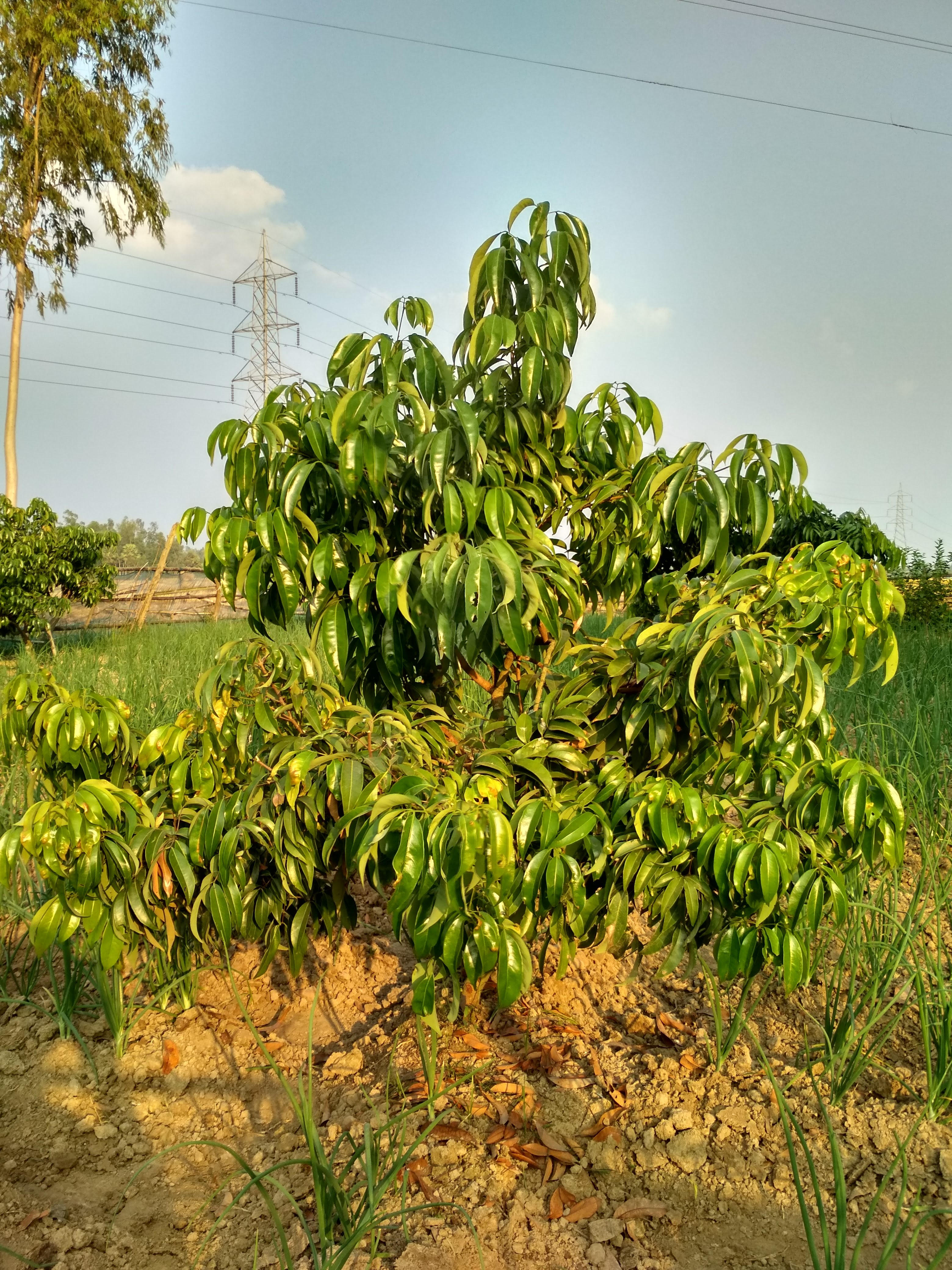
According to the farmers quoted by Jagonews24, two kinds of litchi are grown most widely in Ishwardi, which the report named as Mozaffar, or deshi (local), and Bombai, or China-3. Kadmi, Kanthali, Bedana, China-1 and China-2 were also grown on a small scale.
In the FAO chapter on Bangladesh, Bombai and China-3 are described as separate varieties:
- Bombai: the oldest high-yielding variety and the most widely grown in the country. Its fruit is heart-shaped and carmine red, weighs 18 to 20 grams and matures in the second week of May.
- Muzaffarpuri: brought from India and grown mainly in the north-west. Its fruit is pink and oval, weighs about 20 grams and matures in the second week of May.
- Bedana: considered the best in quality but the poorest in yield. Its fruit is round and bright red, weighs 25 to 28 grams and matures in the second week of June.
- China-3: a round fruit of mixed red and orange with green patches, weighing about 25 grams and ripening in the last week of June. It bears irregularly without good management.
- Kadmi: named in the chapter among the local types, along with Rajshahi, Mongalbari and Kalipuri.
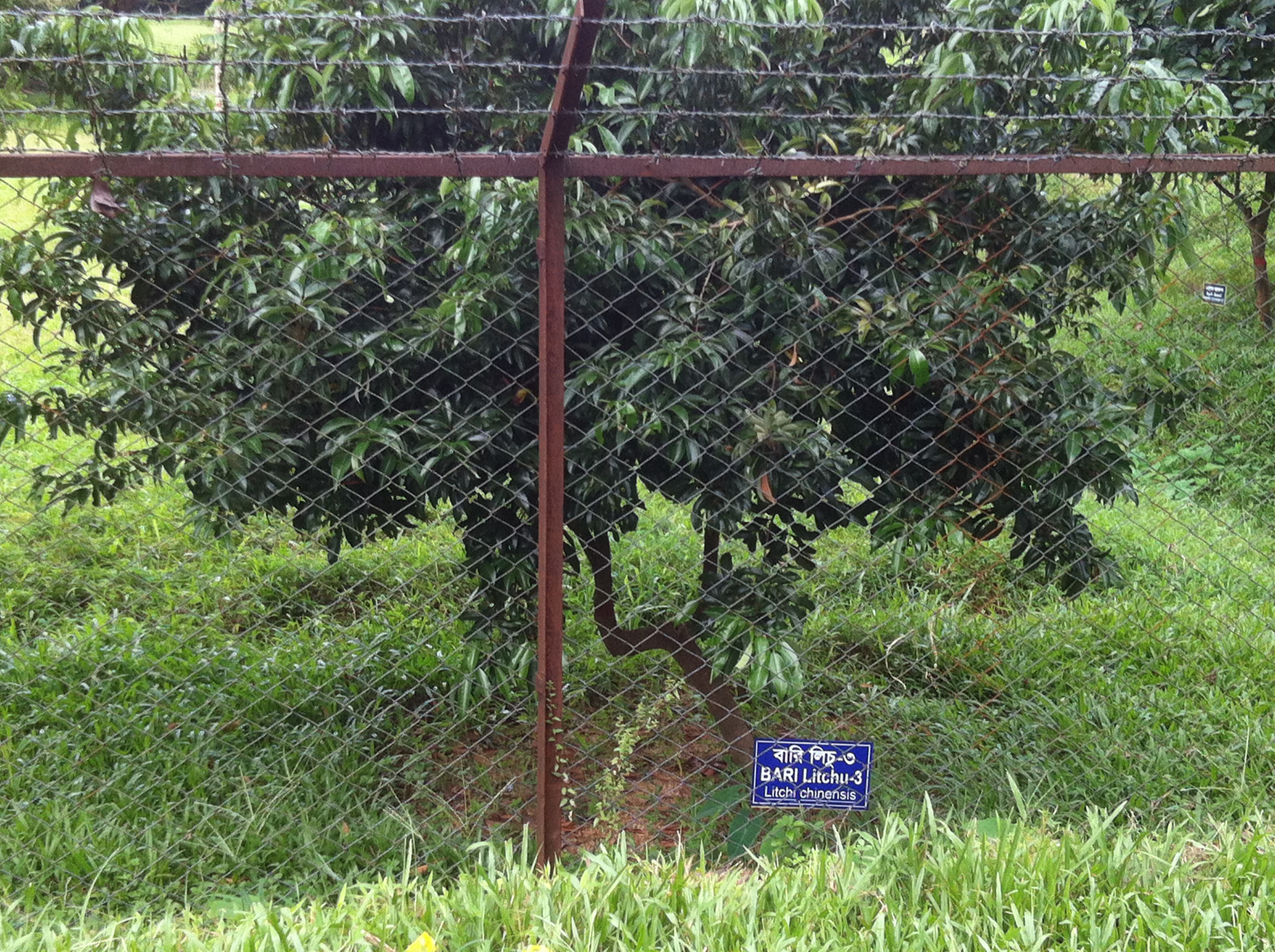
The same chapter describes three varieties released by the Bangladesh Agricultural Research Institute (BARI): BARI Lichu-1, an early, high-yielding variety from Rajshahi; BARI Lichu-2, a late variety from Akbarpur reported to tolerate the nut borer and mites; and BARI Lichu-3, a mid-season variety from Akbarpur that resembles China-3 and tolerates rust. In the FAO volume's account, BARI Lichu-3 was considered the best of the three for fruit size, pulp, colour and yield.
Because the early varieties ripen in May and the late ones in June, a district growing several of them can keep litchi coming to market for longer. The FAO chapter notes that the fruit does not ripen further after picking, unlike mango, and that it is picked in clusters, several times from each tree.
Caring for the blossom and the young fruit
The Ishwardi growers quoted in March 2026 were watering their trees and spraying pesticide, and the upazila agriculture officer said his office was giving farmers various kinds of advice on preventing blossom drop. The report did not say which products or doses were being used.
In earlier seasons the DAE in Pabna gave the same basic advice for dry spells. In April 2024, when heat and drought were drying out the trees, the deputy director of DAE in Pabna said farmers were being encouraged to spray water regularly on the upper parts of the trees and to give enough water at the base. Farmers told UNB that spraying was hard to manage across such large orchards.
The FAO chapter on Bangladesh describes the same need for water. It says supplementary irrigation is needed during flowering and fruit set, that water stress causes fruit to drop, that government orchards were irrigated twice, during flowering and after fruit set, and that irrigation every fortnight after fruit set gave good harvests. Timing matters: in 2023 Ishwardi's upazila agriculture officer said heavy watering when the blossom was due had led many trees to put out leaves instead of flowers.
Pollination is the other step between blossom and fruit, and bees play a part in it: in 2023 the upazila agriculture officer said rain at blossom time had kept bees from coming out, which hampered pollination that season.
The FAO chapter names the pests that matter most at this stage. The litchi mite, Aceria litchi, is described as the most destructive: it causes felt-like galls on the leaves and attacks the flowers and the young fruit, with infestation from February to October and peaks in April and May. The chapter recommends pruning and burning affected twigs in June and August. The fruit borer, whose larva feeds on the seed from the stem end, attacks the fruit later in the season, and bats and birds damage ripe fruit.
The right pesticide, its dose and the timing of any spray depend on the pest and the stage of the crop, so growers should take that advice from the upazila agriculture officer or the local sub-assistant agriculture officer of the DAE before spraying blossom or young fruit.
Orchard trading and the local economy
Much of Ishwardi's litchi is sold on the tree long before it ripens. Daily Star Bangla reported in March 2025 that seasonal traders buy orchards on the strength of the blossom, and that one tree can change hands three or four times in a season: when it flowers, after the fruit sets and again once the litchis ripen. Each sale adds to the price. That spring one trader said he had paid about Tk 5 lakh for more than 200 trees, against about Tk 1.5 lakh for 100 trees the year before.
The system shifts the risk of a poor season onto the traders. In 2024 a trader paid Tk 12 lakh for 300 trees and then found them carrying far less fruit than usual. In May 2025 a trader said that, after the cost of harvesting, he needed to sell at Tk 300 per hundred litchis wholesale to make even a small profit, against Tk 150 to 180 per hundred the year before.
When the crop is good, the trade reaches far beyond the upazila. In May 2024 wholesale buyers from Dhaka and Brahmanbaria were buying litchis in Ishwardi's Aotapara area, and in a normal mid-May harvest, growers told The Daily Star in 2025, 20 to 30 trucks carry litchis out of Ishwardi every day. During the May 2024 picking, Daily Star Bangla found dozens of men and women at work in each orchard, picking, sorting and packing the fruit.
That is why the Mirkamari farmer quoted in March 2026 called litchi the main cash crop of the upazila, and why the blossom of early March was watched so closely: in Ishwardi, the size of the coming harvest affects the income of growers, traders and labourers alike.
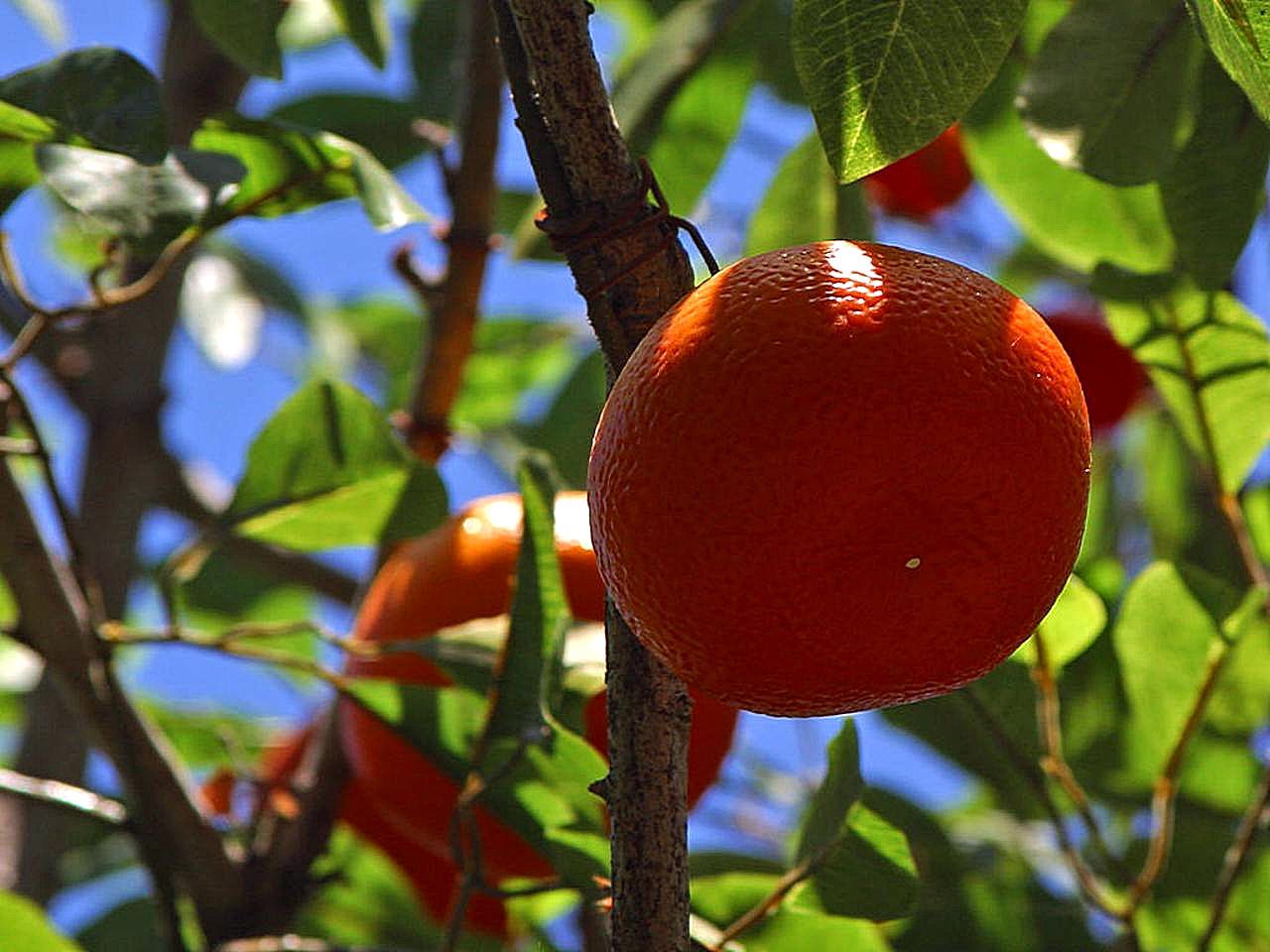
Photo: B.navez / Wikimedia Commons (CC BY-SA 3.0)
Sources: Jagonews24, The Daily Star, Daily Star Bangla, The Business Standard (UNB), TBS Bangla, Banglapedia, Food and Agriculture Organization of the United Nations (FAO), Wikipedia
Comments
(0)