
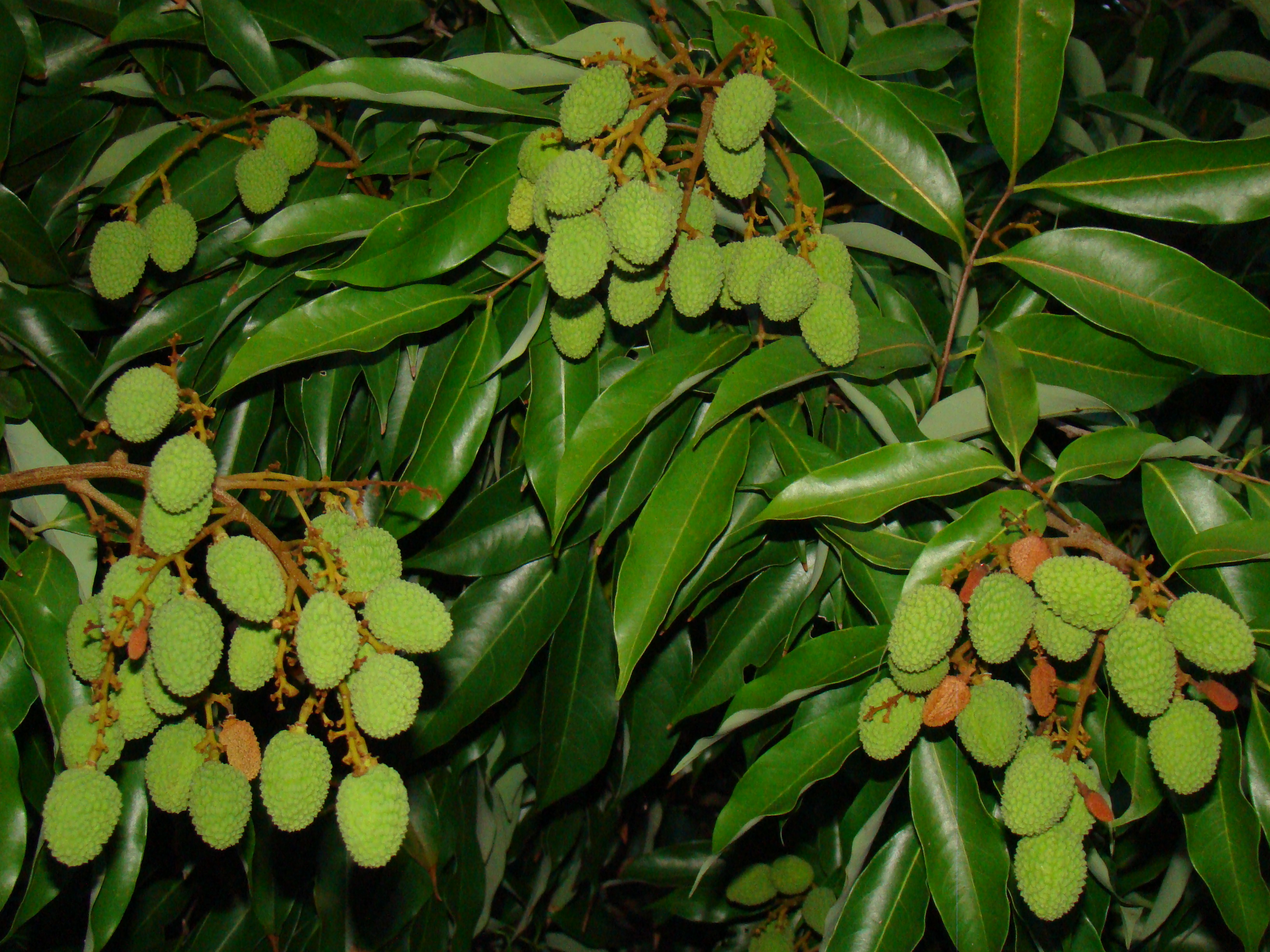
Severe drought and heat in Ishwardi upazila of Pabna district were making young litchi fruit drop from the trees in late April 2026, and growers feared a crop failure, Jagonews24 reported on 26 April 2026. The fruitlets of the Mozaffarpuri variety, known locally as the deshi (local) litchi, were dropping the most, and the Bombai litchi had also begun to shed its young fruit.
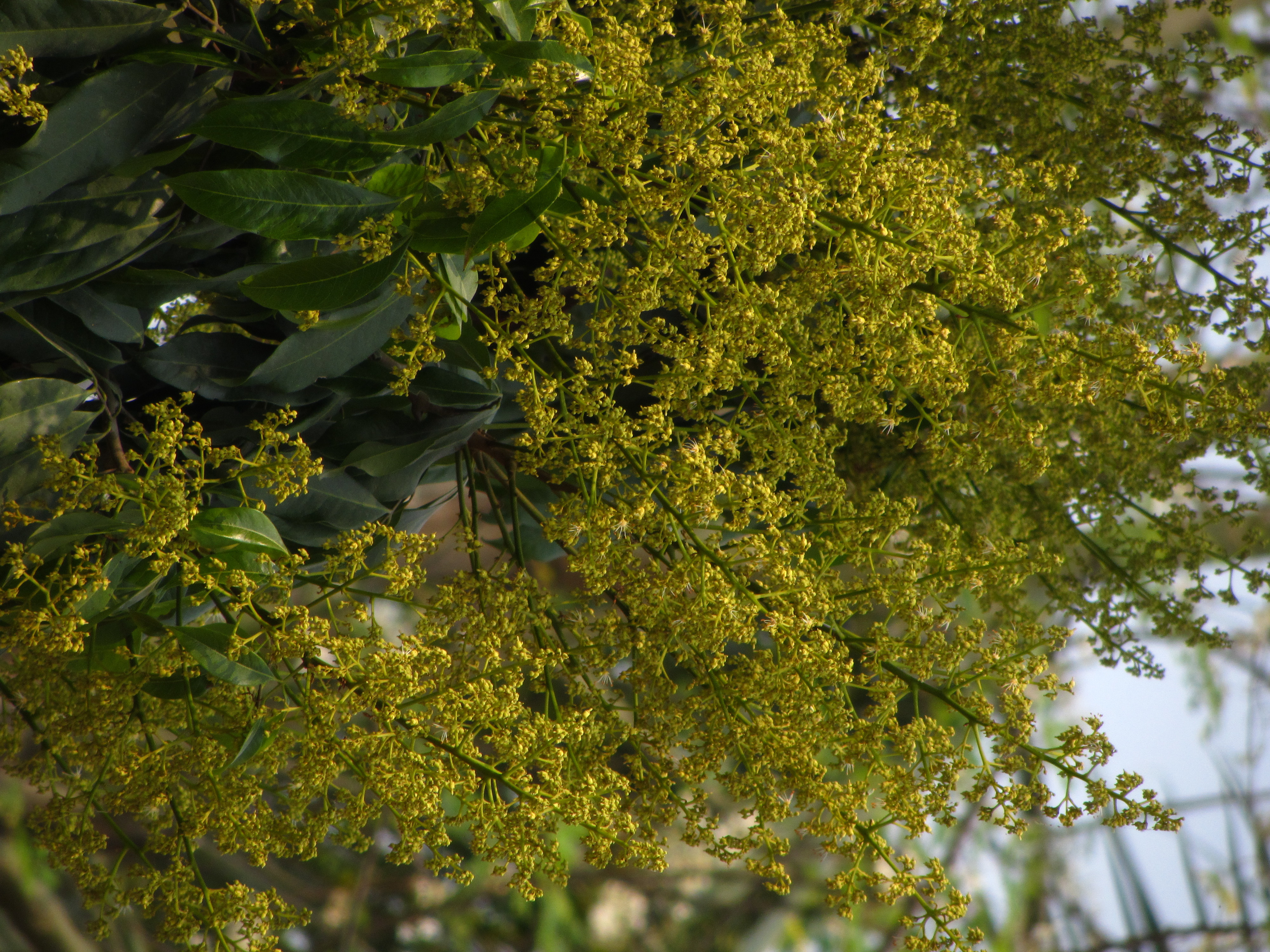
Ishwardi is known across the country for juicy, sweet litchi. Its trees flower at the start of the Bengali month of Chaitra, and small green fruit appear from the blossom by the end of that month. In 2026 every tree carried a record amount of blossom and the fruit set was good, so growers had high hopes. But, the report said, about 15 days of intense heat had started to shed the fruitlets, and growers feared their hopes would be dashed.
According to the upazila agriculture office, litchi was grown on 3,100 hectares in Ishwardi that season. Favourable weather in Chaitra had brought good blossom and fruit set on every tree, and both the agriculture department and the growers had been expecting a good yield.
In the upazila's litchi villages, among them Mirkamari, Maniknagar, Baktarpur, Jagannathpur, Bansherbada, Joynagar, Sahapur, Aotapara and Char Sahapur, rows of orchards lined the roads, with green fruitlets hanging among the leaves. There was more fruit than in the previous few years, and almost every tree was heavily laden.
What growers and officials said
Amjad Hossain, a grower in Baktarpur village, told Jagonews24 that the trees had a record bloom, but several days of scorching heat had been damaging the fruitlets. The temperature was 36 to 38 degrees Celsius, he said, and the strong sun had started to shed the fruit. If the drop continued, growers' hopes of a good harvest would be ruined.
Jahurul Islam, a grower in Maniknagar village, said both the blossom and the fruit set were better than in recent years, but a few days of drought had started to shed the young fruit. Some fruit drops every year in the heat, he said: a loss of 10 to 20 per cent of the fruitlets on a tree is normal, but farmers lose out if it goes beyond that. He was spraying water and chemicals at night and in the morning to try to stop the drop.
Mostafa Zaman Nayan, a pesticide and fertiliser trader in Maniknagar, said growers were coming to him for advice on stopping the drop, and that his shop was supplying pesticides to them after consulting agriculture officials.
Abdul Jalil, known as Kitab Mondol, a litchi grower who has received a national agriculture award, told Jagonews24 that the fruitlets were dropping but not at an abnormal rate. Orchards were being irrigated to limit the drop, which he expected to ease considerably once the weather returned to normal. Because every tree carried more fruit than in other years, he said, growers still expected a good yield.
Ishwardi upazila agriculture officer Abdul Momin said the trees had plenty of blossom and a good fruit set, but the fruitlets had begun to drop in the intense heat of the previous few days. Farmers were being advised to spray and irrigate their orchards regularly.
The Jashore-based Gramer Kagoj reported the same situation from the same villages that evening. It said temperatures of 35 to 38 degrees Celsius had persisted for two weeks, and quoted Sujon Hossain, a grower in Joynagar, who said the trees had bloomed well but the drought was shedding the fruit again. Growers were spraying and irrigating on the advice of agriculture officials, the paper said, but many complained that they could not get diesel in time to run their irrigation pumps. It also reported the Ishwardi weather office as saying that temperatures had been abnormally high since the beginning of April and could rise further.
Warnings since the first week of April
The fruit drop had begun weeks before. On 9 April 2026 the daily Samakal reported from Ishwardi that a week of heat and drought was already shedding litchi fruitlets of both the Mozaffari (deshi) and Bombai varieties. The agriculture department told the paper that if the drought and heatwave continued for another week, Ishwardi's litchi yield could fall by 30 per cent.
Amirul Sardar, a grower in Mirkamari village, told Samakal that the trees had bloomed so heavily that he had hoped for a good income, but watching the fruitlets fall in the drought filled him with grief. Kitab Mondol, one of the upazila's largest growers, said he still hoped to sell litchi worth Tk 50 lakh from his orchards even if 30 per cent of the fruit dropped. Siddiqur Rahman Moyez, another award-winning farmer, said trees were carrying far more fruitlets than in recent years, but the heat was damaging them badly.
Nazmul Haque Ranjan, assistant weather observer at the Ishwardi meteorological office, told Samakal that the weather was growing steadily hotter and that Ishwardi's maximum temperature had ranged between about 35 and 38 degrees Celsius from 1 to 8 April. Upazila agriculture officer Abdul Momin said litchi covered more than 3,100 hectares, and that the fruitlets could not tolerate the temperatures of the ongoing heatwave.
The April 2026 heatwave
The heat that Ishwardi's growers described was part of a long spell across western Bangladesh. The daily Ittefaq reported on 14 April, the first day of the Bengali month of Baishakh, that Ishwardi had recorded 37.5 degrees Celsius, the highest of the season. Observer Nazmul Haque Ranjan told the paper that the season's first heatwave, on 4 April, had brought 37.2 degrees; the temperature eased, then a mild heatwave returned on 12 April at 37.2 degrees, fell to 36.2 on 13 April and rose again to 37.5 on 14 April.
The Bangladesh Meteorological Department (BMD) grades heatwaves by temperature. BMD meteorologist Md Shaheenul Islam explained to The Daily Star that 36 to 37.9 degrees Celsius is a mild heatwave, 38 to 39.9 degrees a moderate one, 40 to 41.9 degrees a severe one, and anything above 42 degrees a very severe heatwave.
On 23 April 2026 Shaheenul Islam told the state news agency BSS that this was the longest heatwave of the year so far. He said it would continue until 25 April, might ease a little after 26 April and could last until 28 or 29 April, while rainfall would become more frequent after 26 April. Rajshahi was under a severe heatwave, and the highest temperature on 22 April was 40 degrees Celsius in Rajshahi. A BMD bulletin on the morning of 25 April said a mild heatwave was sweeping over Khulna division and several districts, Pabna among them, and the previous day's highest temperature had been 37.8 degrees in Rajshahi.
The same weather was hurting litchi across the Barind region. BSS reported on 21 April that the Department of Agricultural Extension (DAE) counted 1,701 hectares of litchi with 213,280 trees in the four districts of its Rajshahi region: Rajshahi, Naogaon, Natore and Chapainawabganj. Growers there said heat and swings in humidity were making the fruit crack and rot before it ripened, while young mangoes were falling from the trees.
Ishwardi itself has a long record of extreme heat. BBC Bangla, citing BMD records kept since 1947, reported on 21 April 2026 that the highest temperatures in the country's history have been recorded at only a handful of stations: Rajshahi, Chuadanga, Jashore, Bogura and Ishwardi. Ishwardi recorded 44 degrees Celsius in May 1970, while the national record remains 45.1 degrees, measured in Rajshahi on 18 May 1972.
Power cuts and fuel shortages hit irrigation
The heat came during a power and fuel shortage that made watering orchards harder. On 21 April 2026 the daily Sangbad Sarabela reported that Ishwardi was facing eight to ten hours of load-shedding a day, worse in villages and at night, because fuel shortages were limiting power generation. Farmer Shajahan Ali told the paper he could not irrigate his fields or his litchi orchard, that frequent outages were burning out irrigation motors, and that litchi fruitlets were drying up and falling in the heat.
Upazila agriculture officer Md Abdul Momin told the paper that crops were being scorched because of load-shedding and the fuel crisis. The agriculture office had written to fuel station owners asking them to give farmers priority for diesel, and arrangements had been made to ration fuel to farmers against their agricultural cards. An official of Pabna Palli Bidyut Samity-1 said its Dashuria zone, with 105,261 customers, needed 23 megawatts a day but was receiving only about 12 megawatts.
Nationally, New Age reported on 24 April that the country had faced a generation shortfall of about 3,000 megawatts the previous day, with the Bangladesh Power Development Board supplying about 14,000 megawatts against a demand of 17,000 megawatts. The state minister for power told parliament that a trial load-shedding would be introduced in the capital to reduce the gap between urban and rural areas and to make sure irrigation was not disrupted.
Why heat and drought shed young litchi
Litchi is sensitive to dry heat. Banglapedia, the national encyclopedia of Bangladesh, notes that the tree needs a warm, humid climate for growth and that dry, hot air is injurious to the fruit; it cannot tolerate waterlogging but favours moist soil.
A 2002 report on lychee production in the Asia-Pacific region, published by the Food and Agriculture Organization of the United Nations (FAO), explains why. When spring and early summer are hot and dry, as in the litchi areas of northern India, flowers may dehydrate and fail to develop, and fruit may drop or split. This happens because the litchi tree has a low ability to move water from its roots to its leaves, so wet soil alone cannot prevent water stress in the tree.
The Bangladesh chapter of the same FAO report, written by S. B. M. Abu Baker Siddiqui, describes the local problem directly. Supplementary irrigation is needed during flowering, fruit set and fruit development, it says, because soil moisture and air humidity are very low in those months; temperatures in most regions are about 27 to 28 degrees during flowering but rise afterwards, and transpiration increases sharply. Bearing trees are usually not irrigated, so long droughts cut yields through fruit drop. Few farmers can afford to water orchards during fruiting because irrigation water goes first to Boro rice, surface water is seldom available, and falling groundwater can leave shallow tubewells unusable. In better-managed government orchards, the chapter says, trees are irrigated twice, during flowering and after fruit set, and supplementary irrigation at fortnightly intervals after fruit set gives a good harvest.
Heat can also split the fruit. Mohammad Nasir Uddin, deputy director of the DAE in Rajshahi, told BSS and Bangla Tribune in April 2026 that when a long spell of heat is followed by sudden rain, the inside of the fruit swells quickly while the skin cannot expand at the same rate, so it cracks. The FAO report notes that among the cultivars grown in India, Deshi and Muzaffarpur are among those more prone to cracking.
What agriculture officials advised
In Ishwardi, upazila agriculture officer Abdul Momin said farmers were being advised to spray and irrigate their orchards regularly and to keep up regular care of the trees. In Rajshahi, DAE deputy director Mohammad Nasir Uddin gave more detail in April 2026: trees should be irrigated at the base regularly even during the drought, water could be sprayed on the trees when needed, and applying hormones, boron or zinc might give some relief. Earlier in the month he had advised farmers to give regular light irrigation and keep enough moisture in the soil.
The advice was the same in the last bad season. In April 2024, when heat was burning litchi blossom and shedding fruitlets in Dinajpur, DAE deputy director Nuruzzaman told the daily Desh Rupantor that if growers irrigated and sprayed correctly, the crop could be carried through to harvest.
None of these reports gave product names or doses for sprays, hormones or micronutrients. Growers who want to use any of them should take the dose and timing from the upazila agriculture office or the local sub-assistant agriculture officer, who follow DAE recommendations, rather than from a shop counter.
Ishwardi, the litchi capital
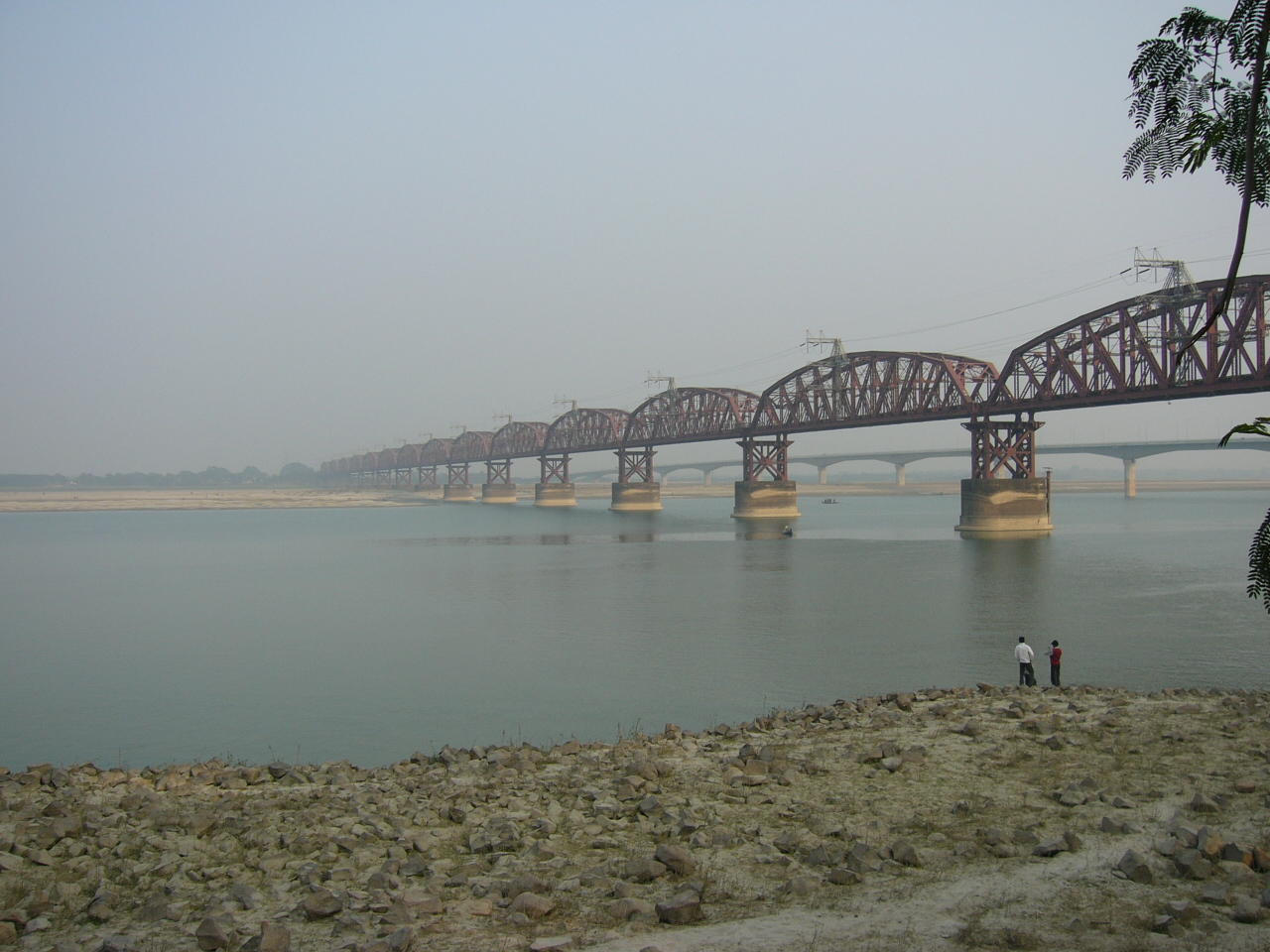
Ishwardi is an upazila of Pabna district covering 250.89 square kilometres, according to Banglapedia. The Padma (Ganges) runs along its southern and western edge, and the 5,940-foot Hardinge Bridge across the river was built there in 1912. The upazila is home to several agricultural research centres, including a regional agricultural research station, a pulses research centre and the sugarcane research centre, and Banglapedia lists litchi among its main fruits along with mango, jackfruit and papaya.
Litchi has been grown in Ishwardi since the 1980s, and commercial cultivation spread widely after 2000, The Bangladesh Today reported in February 2026, citing local growers and the agriculture office. The upazila had about 11,270 litchi orchards, large and small. The main varieties are Mozaffar (deshi), Bombai and China-3, with Kadmi, Kathali, Bedana, China-1 and China-2 also grown; China-3 was spreading fastest because of its taste and market demand.
The upazila is also known for its prize-winning farmers. Prothom Alo reported in November 2022 that Ishwardi had 15 farmers who had won national awards, reportedly the most in any upazila, and that Abdul Jalil, known as Kitab Mandal or 'Lichu Kitab' for his litchi, was among those who had received the Bangabandhu National Agriculture Award. The Daily Star described Ishwardi in March 2026 as Bangladesh's largest litchi-producing hub, and a leading trader told the paper that litchi business worth about Tk 500 crore usually took place in Pabna over the two summer months.
After a poor 2025, a record bloom
The 2026 bloom followed a bad year. In March 2025 The Bangladesh Today reported from Ishwardi that hundreds of orchards had put out new leaves instead of blossom, with growers saying only 10 to 20 trees in a hundred had flowered. In May 2025 Samakal quoted the then upazila agriculture officer, Mita Sarkar, as saying that more than half the trees had not bloomed and that heat was shedding the fruit that had set.
According to the DAE in Pabna, 2025 gave the district's lowest litchi yield in a decade: 34,898 tonnes, against 46,790 tonnes in 2024, a DAE official told The Daily Star in March 2026. The same report said litchi covered 4,620 hectares in Pabna in 2026, more than 3,000 of them in Ishwardi; the official said yields were usually about 10 tonnes a hectare and he expected at least 11 that year, with total output above 50,000 tonnes if there was no major natural disaster. A day later, Rupali Bangladesh quoted DAE Pabna's additional deputy director Rafiul Islam as putting the area at 4,624 hectares with a production target of 34,998 tonnes.
In February 2026, Ishwardi's agriculture officer Abdul Momin had explained the heavy bloom to The Bangladesh Today: the monsoon had withdrawn early the previous year, and cold nights with relatively warm days had created a favourable environment for litchi. Even then, local sources said 20 to 25 per cent of trees had not flowered.
Heat had already hit the crop in 2024. FreshPlaza reported in April 2024 that drought and heat were shedding litchi and mango fruitlets in Ishwardi, with a temperature of 40.6 degrees recorded in the region; DAE Pabna deputy director Dr Md Jamal Uddin said the district had 4,721 hectares of litchi with a production target of 37,768 tonnes.
Litchi in Bangladesh: the crop and its varieties
Litchi (Litchi chinensis, family Sapindaceae) is native to China and reached Burma and India by the end of the 17th century, according to Banglapedia. It can grow in every district of Bangladesh and ranks second only to mango in production among the country's tree fruits. Trees reach 12 to 15 metres, and the edible white aril makes up 50 to 75 per cent of the fruit's weight. Banglapedia notes that Bangladesh's many local selections fall under two main types, deshi and Bombai.
The FAO's Bangladesh chapter says litchi probably came from Burma in the early 19th century, and that Indian cultivars such as Muzaffarpuri and Bombai were introduced from West Bengal in the early 20th century. Bombai is described as the most widely cultivated and a good-yielding variety: an early one that generally matures in the second week of May, with heart-shaped, carmine-red fruit of 18 to 20 grams. Muzaffarpuri, mainly grown in the north-western districts, has pink, oval fruit of about 20 grams that also matures in the second week of May. China-3 ripens late, in the last week of June. Fruit is generally harvested 55 to 60 days after fruit set, and fresh litchi is on sale for only about 60 days a year.
The Bangladesh Agricultural Research Institute (BARI) has released its own varieties. The FAO chapter reports that BARI released BARI Lichu-1, BARI Lichu-2 and BARI Lichu-3, and that BARI Lichu-3, closely resembling China-3, was considered the best for fruit size, pulp, colour and yield.
Nationally, litchi was grown on around 26,000 hectares, with an average output of about 2 lakh tonnes a year, The Daily Star reported in May 2023. Ishwardi's share is large: the upazila agriculture officer told the paper that its growers had harvested 34,100 tonnes worth some Tk 500 crore in 2022.
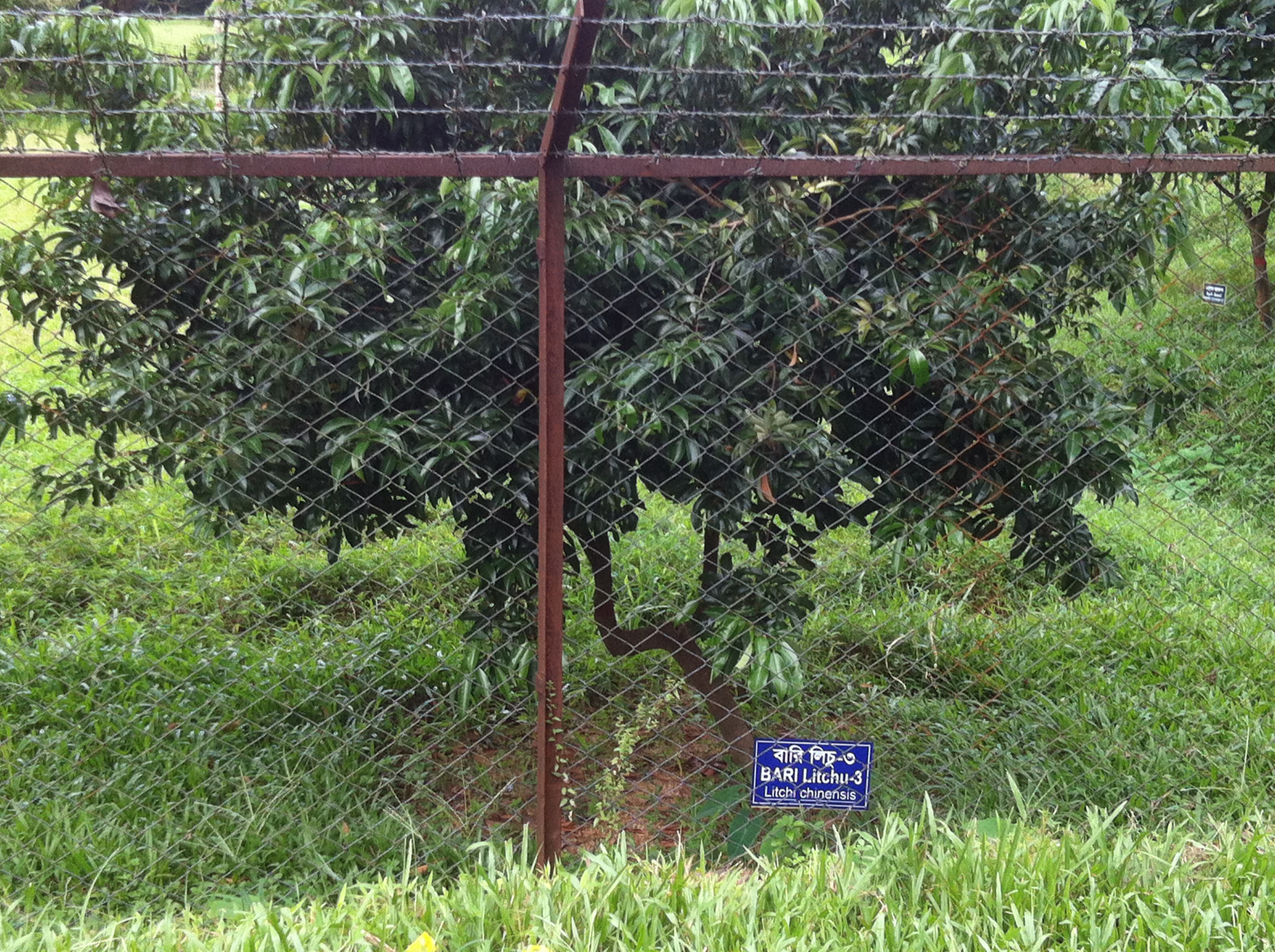
Photo: Asit K. Ghosh Thaumaturgist / Wikimedia Commons (CC BY-SA 3.0)
Sources: Jagonews24, Samakal, Gramer Kagoj, The Daily Ittefaq, Sangbad Sarabela, Bangladesh Sangbad Sangstha (BSS), Bangla Tribune, The Daily Star, New Age, BBC Bangla, The Bangladesh Today, Rupali Bangladesh, Prothom Alo, Desh Rupantor, FreshPlaza, Food and Agriculture Organization of the United Nations (FAO), Banglapedia
Comments
(0)