
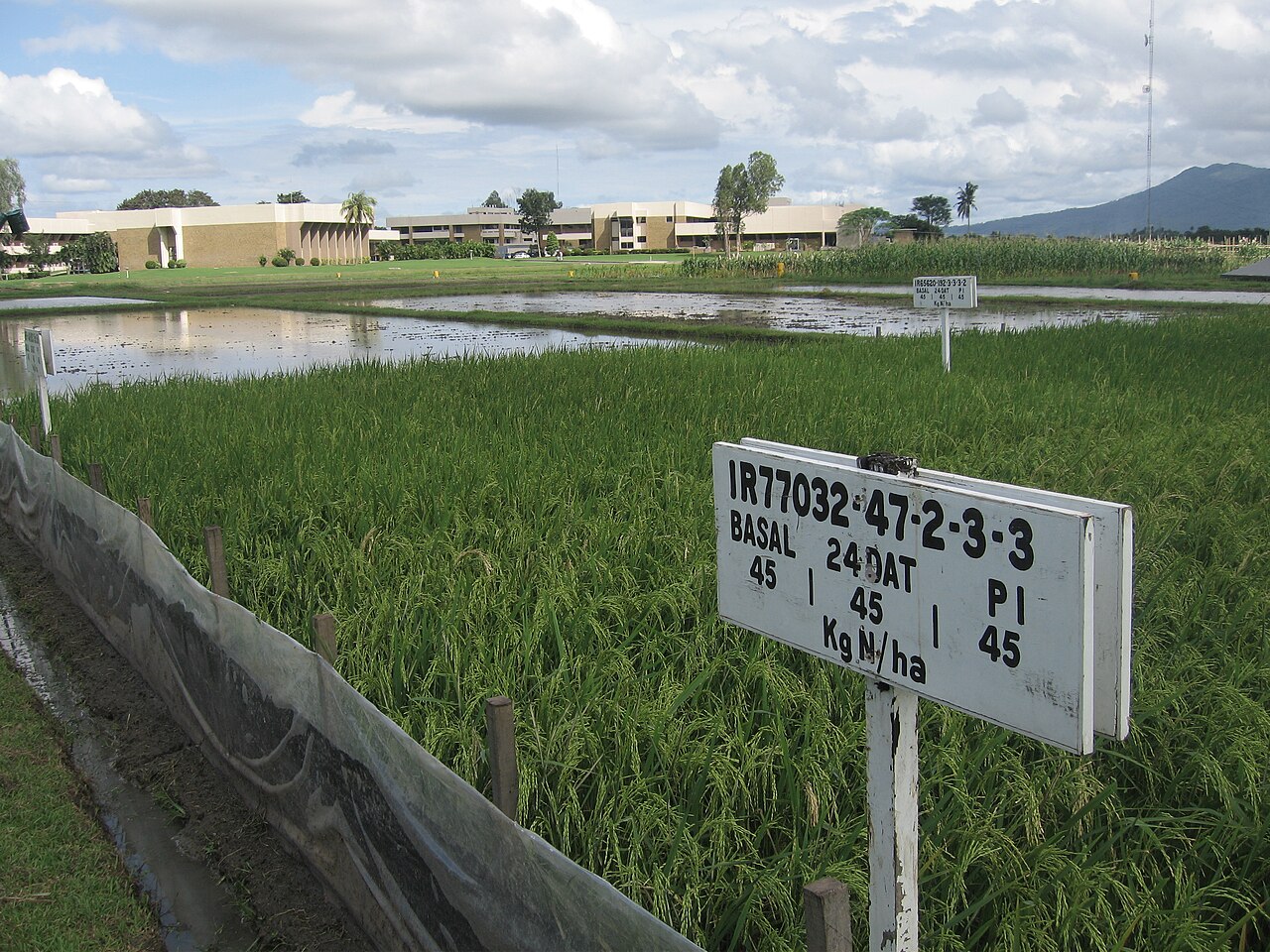
The International Rice Research Institute (IRRI) and the University of Nottingham have launched a research partnership to help rice withstand rising temperatures, funded by UK Research and Innovation's Biotechnology and Biological Sciences Research Council (BBSRC).
The project, "Temp-Resist Rice: Exploiting Novel Germplasm to Improve Heat Tolerance and Future-Proof Rice Yields", will identify traits that help rice tolerate heat stress and feed them into climate-resilient varieties. Rice is the main source of calories for more than half the world's population, and heat is emerging as a threat alongside drought and flooding.
Professor Zoe Wilson, pro-vice chancellor for science at Nottingham, said one of the greatest risks comes at flowering, when high temperatures reduce pollen fertility and stop grain from forming, so plants can look healthy all season but yield fewer grains. "We're seeing impacts in fertility, which are particularly impacting pollen viability," she said.
The researchers will study traditional rice varieties and wild relatives that may carry natural heat tolerance, combining IRRI's breeding, genetic resources and field evaluation with Nottingham's controlled-environment facilities, which simulate tropical temperature, humidity and day length. The visiting team toured IRRI's speed-breeding facility, rainout shelter, Phytotron and genotyping laboratory.
The most promising material will be tested through IRRI's networks and field platforms across Asia. "Understanding how rice responds to heat stress is becoming increasingly important for breeding programs," said IRRI scientist Dr Suresh Kadaru.
Photo: Africa Rice Center / Wikimedia Commons (CC BY-SA 3.0)
Source: AgroPages
Comments
(0)