
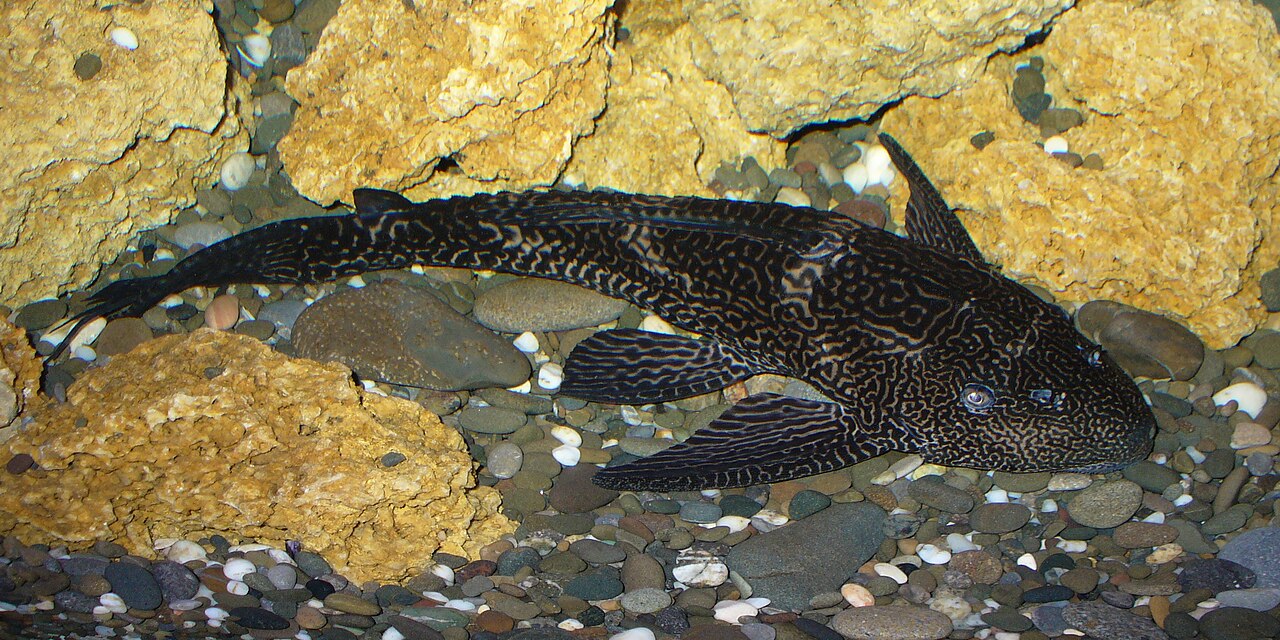
The sucker fish, brought to Bangladesh to keep aquarium glass clean, has spread through the country's rivers, canals, beels and wetlands. In Dhaka's Buriganga and Turag it now dominates the catch, squeezing native fish and leaving river fishers with full nets and less to sell.
Agricare24, citing a report in The Business Standard (TBS), says the fish arrived in the 1980s through the ornamental fish trade, prized for eating algae. Released into open water, it bred and spread into rivers and wetlands.
Kamal Mia fishes the Buriganga near Sadarghat. His net now brings up large numbers of sucker fish, which take time to pick out and damage the net. Mohammad Selim, who fishes the Turag, says that of a 20 kg day's catch, as much as 15 kg can be sucker fish, which has no market value.
A study published in 2023 recorded the fish in at least 17 rivers, among them the Buriganga, Turag, Shitalakshya, Padma, Halda and Meghna. Another found it in 38 of the country's 64 districts. Research published in the Dhaka University Journal of Biological Sciences in July 2026 identified three sucker fish species in samples from the Buriganga.
In experimental ponds, the presence of sucker fish cut the growth of mrigal by 48.4 percent and of rohu by 21.4 percent. Professor Dr Md Niamul Naser of Dhaka University's zoology department says the fish competes with native species for food and space. Experts note that it survives in polluted, low-oxygen water, though pollution and habitat loss also drive the decline of native fish.
Bangladesh banned the import, breeding, sale, transport and keeping of sucker fish in early 2023, but fish already in open water are hard to control. Dr Md Hasan Faruque, associate professor of fisheries at Dhaka University, calls for a national action plan, with government collection of sucker fish caught by fishers, financial incentives and safe disposal.
Experts say a ban alone will not stop the spread: regular scientific surveys, closer watch on the ornamental fish trade, public awareness and river restoration are needed. Agricare24 published the report crediting TBS.
Photo: a sucker fish (Pterygoplichthys species), George Chernilevsky / Wikimedia Commons (public domain)
Source: Agricare24
Comments
(0)