
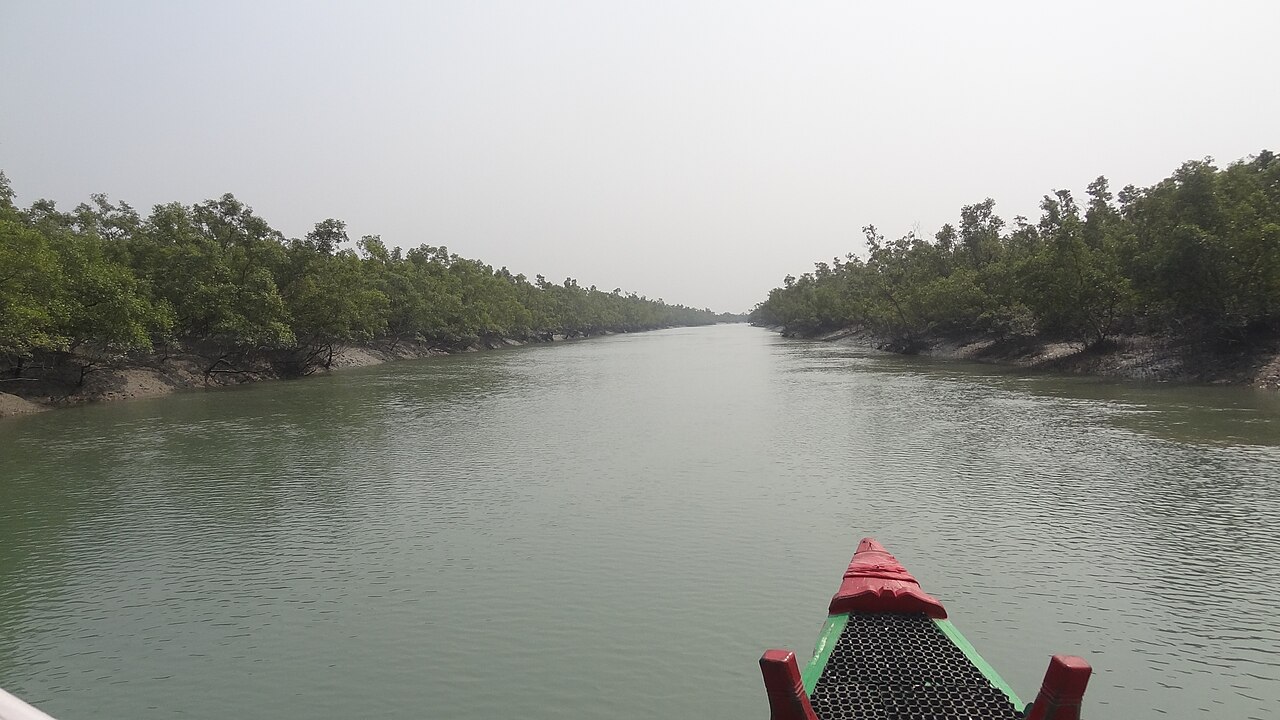
Using DNA barcoding, researchers have identified five fish and two shrimp species in Sundarbans rivers and canals as new records for Bangladesh's coastal waters. The animals were there all along, but look so much like other species that they had not been told apart before.
The study, under the government's Sundarbans protection project, was carried out by the Centre for Natural Resource Studies (CNRS) and Aranyak Foundation over 16 months from March 2024 to June 2025, covering 65 rivers and canals and the fish landing centres of Koyra, Shyamnagar, Mongla and Sarankhola. It recorded 251 fish species and 51 crustacean species. The draft report was presented in Khulna on 13 August.
The five fish are the large-scale mullet (Planiliza macrolepis), bluespot mullet (Crenimugil seheli), a halfbeak (Dermogenys burmanica), the flathead sleeper (Butis humeralis) and the green-spotted goby (Acentrogobius viridipunctatus). The two shrimps are Cloridos scorpio and Nematopalaemon tenuipes.
Team leader M Enamul Hoq, a former director of the Bangladesh Fisheries Research Institute, compares DNA barcoding to a fingerprint: the sequence of a set stretch of DNA is matched against known species, separating fish that look almost identical. The team sequenced 83 fish and 28 crustacean samples. After a final workshop, the seven sequences are to be submitted through the Forest Department to the international gene bank run by the US National Center for Biotechnology Information.
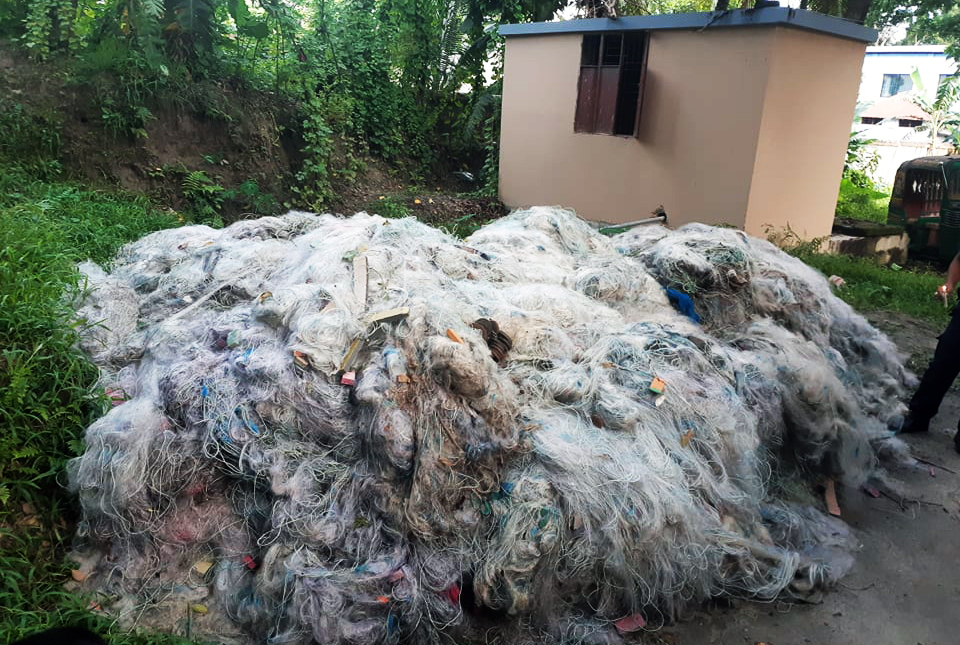
The survey also warns that at least eight commercially important species, including barramundi (bhetki), croaker (poa) and pangas, are under pressure from overfishing, while the catching of small fish and fry and the poisoning of rivers and canals add to the concern.
The Forest Department says that, combined with a 2020 study by Sher-e-Bangla Agricultural University, 382 fish species are now recorded in the Sundarbans, along with 88 species of shellfish, including 27 shrimps and 24 crabs. Imran Ahmed, director of the protection project and conservator of forests for Khulna, said short- and long-term plans are being drawn up from the study's recommendations. The report is by Prothom Alo's Imtiaz Uddin.
Photo: a river in the Sundarbans, Amartyabag / Wikimedia Commons (CC BY-SA 3.0)
Source: Prothom Alo


Comments
(0)