
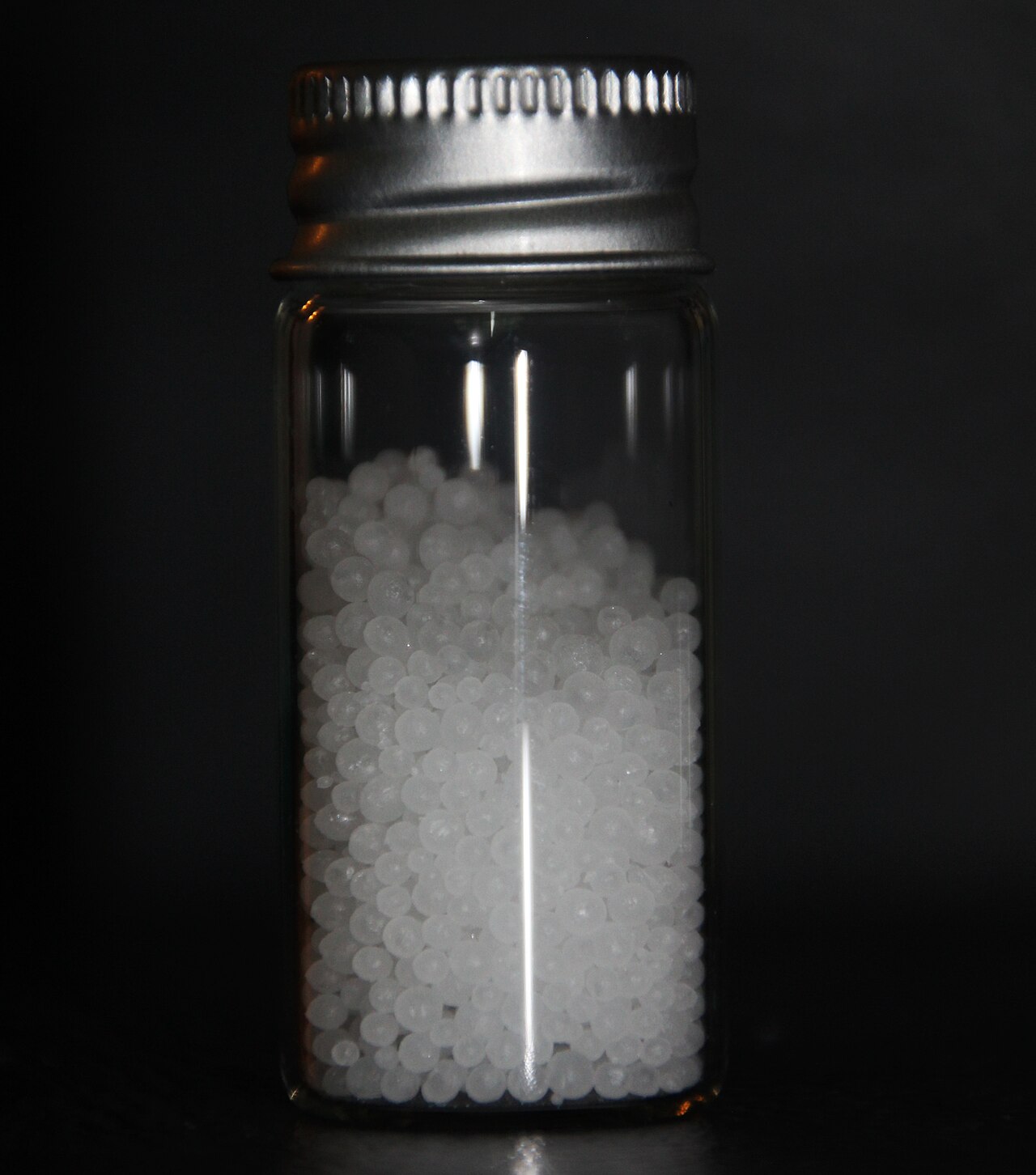
Anyang Indorama Gases, part of the Indorama Corporation group, has secured RMB 2.4 billion, about $358 million, in long-term financing to expand urea fertiliser production at its site in Henan province, China, Global Agriculture reports. The deal was confirmed in a joint announcement dated 22 September.
The money will pay for a brownfield expansion, adding capacity on the existing industrial site rather than building a new plant, with the aim of roughly doubling the site's urea output to about 2 million tonnes a year by 2029.
The loan was arranged by five banks: OCBC Bank as coordinator and facility agent, Bank of China, Bank of Communications, Bangkok Bank's China unit and China CITIC Bank, with the China arm of Sumitomo Mitsui Banking Corporation as security agent. Amit Lohia, group vice chairman of Indorama Corporation, called the financing an important milestone in the company's global growth strategy.
China is the world's largest producer and consumer of urea, the most widely used nitrogen fertiliser, and its supply and export decisions move world prices. When domestic output is ample, Beijing has let exports flow; when supply tightens, it has at times restricted them, with knock-on effects for importers such as India, which relies heavily on imported urea and DAP. Global Agriculture notes that extra capacity in China, even if aimed mainly at the home market, adds to what could be available for export in years when Chinese demand softens.
The project also follows an industry trend of expanding existing sites, which is usually faster and cheaper per tonne because utilities, logistics and permits are already in place.
Photo: LHcheM / Wikimedia Commons (CC BY-SA 3.0)
Source: Global Agriculture


Comments
(0)