
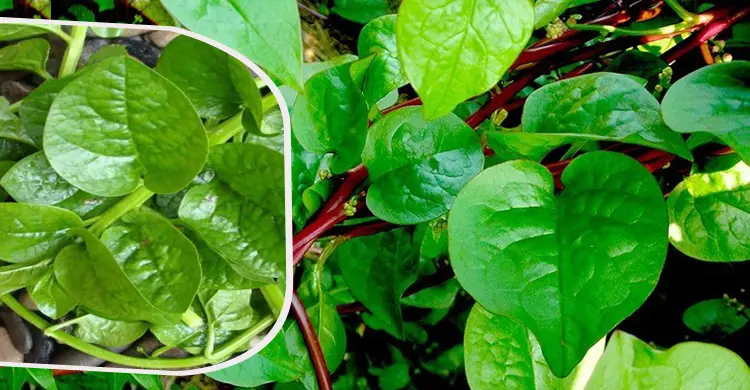
Indian spinach (pui shak) is a popular leafy vegetable in Bangladesh and is available in almost every market nearly all year round. Being easy to find, it is loved by everyone, and it is also highly nutritious. Two types, white and red, are generally found in the country.
It is said that Indian spinach is the best of the leafy vegetables, and it is very tasty. It is grown almost everywhere in the country and can easily be grown on rooftops or balconies in cities. Growing it the right way brings more profit.
Soil and varieties
Indian spinach grows well in hot, humid weather and sunny places. It can be grown in all kinds of soil but does best in sandy loam and clay loam. So for commercial cultivation, choose land with loam, sandy loam or clay soil.
There are two varieties. Red Indian spinach has reddish leaves and stems; the other variety, green Indian spinach, has green leaves and stems.
Planting and fertiliser
After clearing weeds, the land should be prepared thoroughly with 5 to 6 ploughings and laddering. Seedlings can be raised and planted at 15 to 20 days old, with rows 1 metre apart and plants 50 centimetres apart in each row.
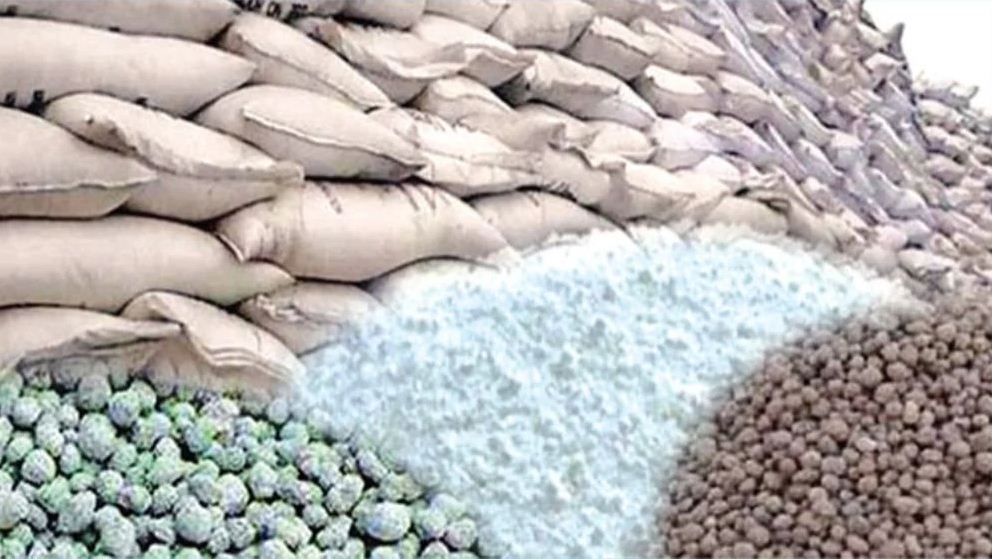
All fertilisers except urea should be applied during land preparation. Urea is applied in three instalments: the first when the seedlings are 10 to 12 days old, 30 to 40 days later, and the remaining two instalments after the first harvest.
Half the cow dung and TSP should be applied during land preparation and the other half in the pits at planting. The fertiliser dose per decimal is 60 kg of cow dung, 500 grams of mustard oil cake, 800 grams of urea, 400 grams of TSP and 400 grams of MOP.
Care, pests and harvest
Irrigation is usually not needed in the monsoon, but it must be given if the soil lacks moisture. The soil should be loosened often and the field weeded regularly. Staking is needed for a higher yield. Water must never be allowed to stand at the base of the plants, as the base may rot. Heavy rain can wash away the soil at the base, so after rain, soil should be pressed around the base. When the seedlings are 25 to 30 centimetres tall, the tips should be cut, which makes the plants bushy.
Apart from the leaf beetle or flea beetle, no pest does much damage to Indian spinach. This insect makes small holes in the leaves. Cercospora leaf spot is a serious disease of the crop, and several other diseases can also appear.
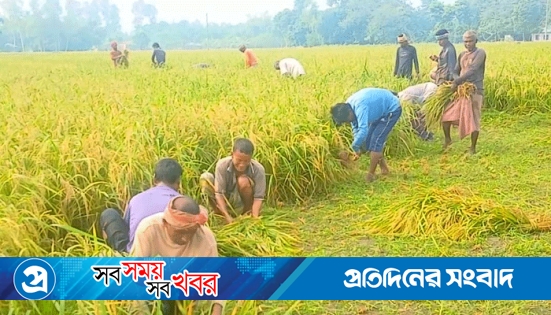
Shoots should be cut and harvested as soon as they start to lengthen. Cutting them this way makes new shoots grow, and the new shoots can be cut several times. With good cultivation, 130 to 150 kg of Indian spinach can be harvested per decimal.
Source: Jagonews24. First published in Bengali on The Agro News.
Comments
(0)