
India's private seed industry has called for a single framework for seed regulation, with faster, science-based approval of new varieties, traits and technologies, to raise the productivity of crops such as cotton, oilseeds and pulses, the Financial Express reports.
Ajai Rana, president of the Federation of Seed Industry of India, said faster adoption of new technology is critical for crops facing growing climate challenges while the country imports large quantities of them. "In many areas, we are fast in adopting technologies such as UPI, but in the agriculture sector, we debate technology adoption a lot," he said, adding that faster approvals would encourage companies to invest long term. On genome editing, he said it and genetically modified (GM) crops "should co-exist".
Cotton is the only GM crop approved for commercial cultivation in India. Since Bollgard-I in 2002 and the bollworm-resistant Bollgard II in 2006, no new cotton traits have been introduced, which the industry links to stagnant production and rising imports. In 2024 the Supreme Court gave a split verdict on the government's conditional approval for the environmental release of GM mustard. Industry estimates put GM crop cultivation at 60 countries and consumption at about 120.
India has released two genome-edited rice varieties, DRR Rice 100 (Kamala) and Pusa DST Rice 1, which raise yields by about 15-20% and tolerate salinity while saving water, and research is under way on 40 agri-horticultural crops at the Indian Council of Agricultural Research and other institutions. A March 2022 environment ministry notification exempted SDN-1 and SDN-2 genome-edited crops from the biosafety rules that apply to GM crops.
The report was written by Sandip Das for the Financial Express.
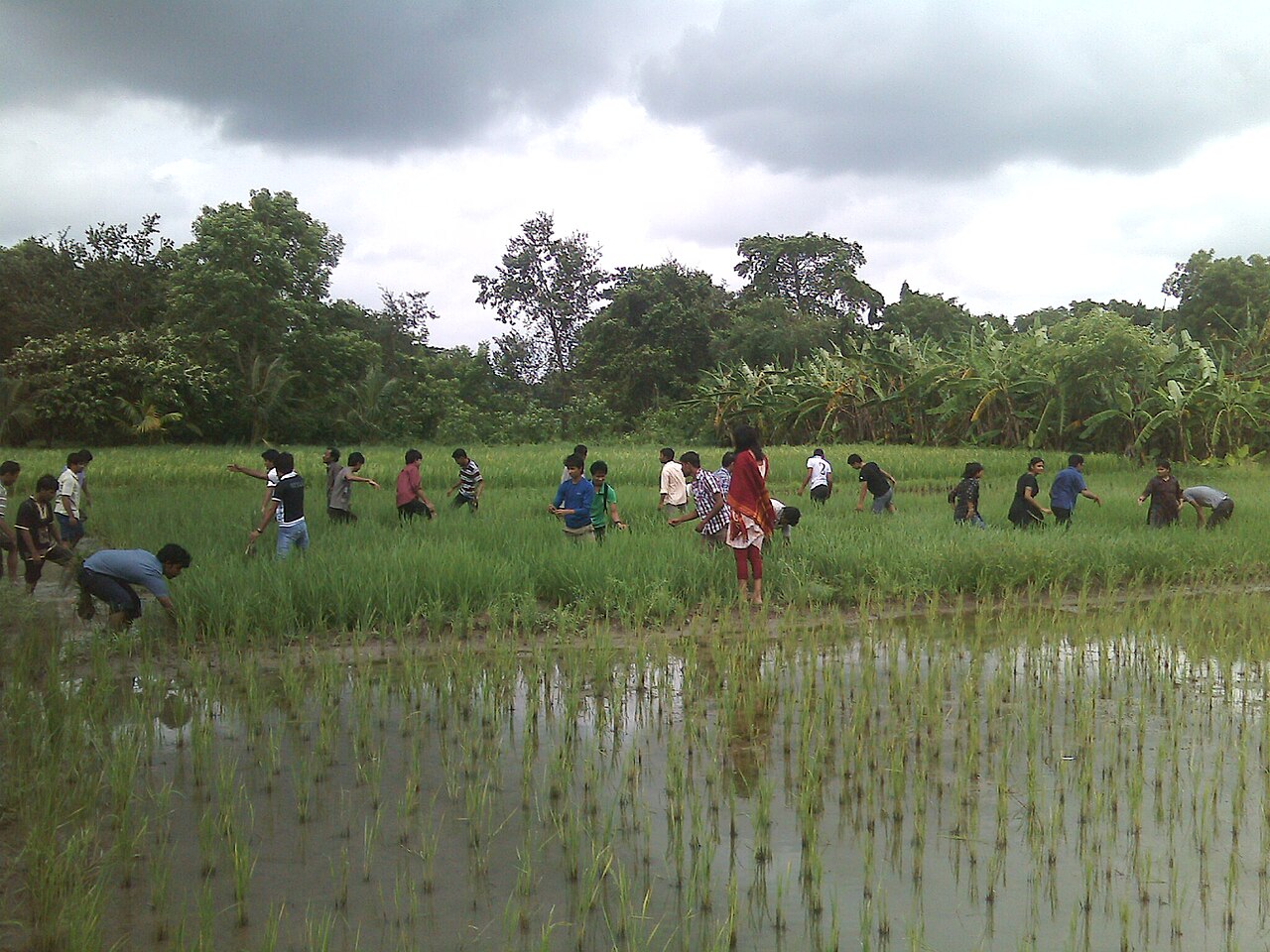
Photo: njanam92 / Wikimedia Commons (CC BY-SA 3.0)
Source: Financial Express Agriculture



Comments
(0)