
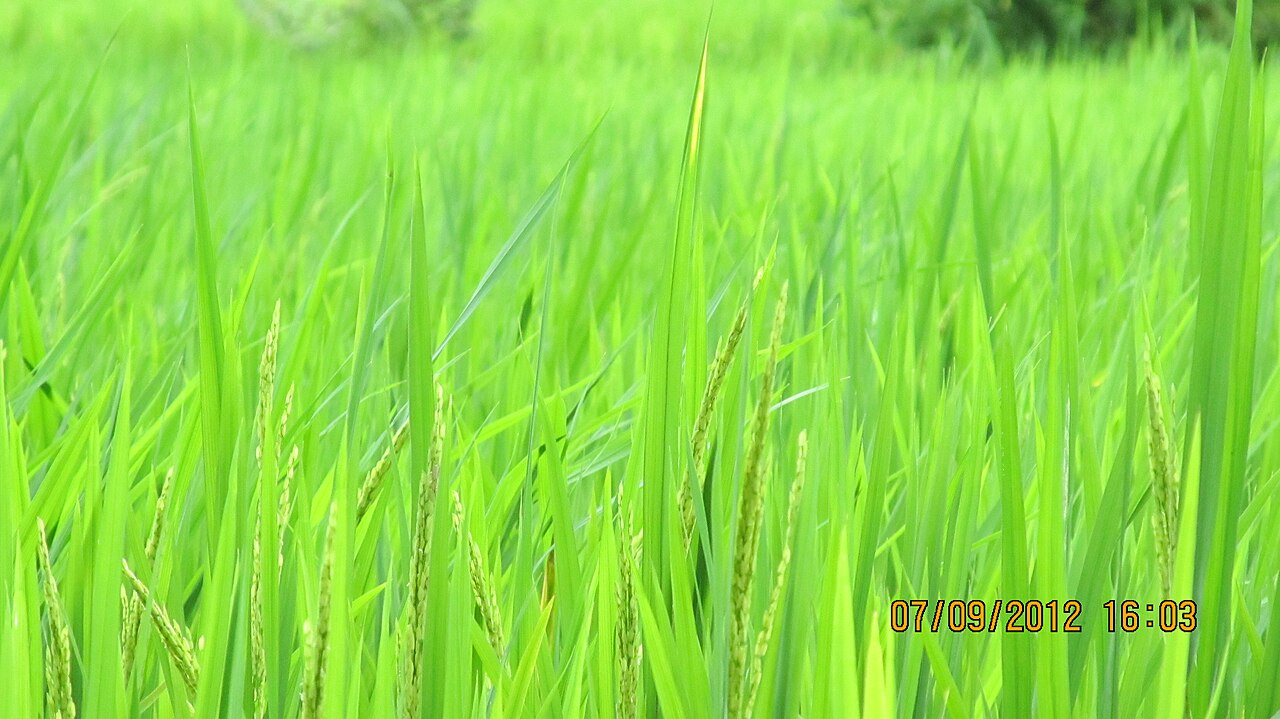
India's southwest monsoon is set to end the June-September season below 90 percent of the long-period average (LPA), with rain very unevenly spread, and experts and trade sources expect yields of several kharif crops, especially paddy, pulses and oilseeds, to suffer, the Financial Express reports. This follows a record kharif harvest of 176 million tonnes last year after two above-normal monsoons.
The deficit stood at 11.9 percent below the benchmark up to Sunday. "The stage is set for a rapid withdrawal of the monsoon from India, leaving behind a country-wide rainfall deficit of around 12%," said Akshay Deoras, a senior research scientist at the University of Reading, adding that El Niño dominated the season and a positive Indian Ocean Dipole never materialised. Of nearly 740 districts, 309, or 42 percent, have had deficient or large-deficient rain.
Central India received normal rain, but northwest India was 6.3 percent below normal, east and northeast India 24.5 percent and the southern peninsula 23.4 percent. Tur, soybean, maize and paddy are entering the flowering stage. Maharashtra, with an 18 percent deficit, has declared drought in 265 of its 358 taluks; its agriculture minister Dattatray Bharne said farmers face losses in soybean, cotton, maize, jowar, bajra, paddy, tur, moong and urad, and crop-damage surveys have begun. Karnataka, 30 percent short, has added 23 taluks, taking its drought-declared total to 124. Sugarcane yields may also be hit.
The kharif area, 109.49 million hectares, is 1.2 percent below last year, according to the agriculture ministry; Crisil Intelligence expects the final acreage to be 0 to 1 percent lower. June rain was 36 percent short, July recovered to 1 percent above the LPA, and August was 16.3 percent below, with every region except the central core zone deficient. The Met Department forecast below-normal rain for September.
The agriculture ministry is still assessing kharif production and holds a national conference on the rabi campaign with the states on Monday. The season is likely to be the driest since 2014; earlier deficient monsoons were in 2002 (-20.9 percent), 2009 (-22 percent), 2014 (-12 percent) and 2015 (-14 percent). The report is by the Financial Express's Sandip Das.
Photo: Akshaypadte / Wikimedia Commons (CC0)
Source: Financial Express Agriculture
Comments
(0)