
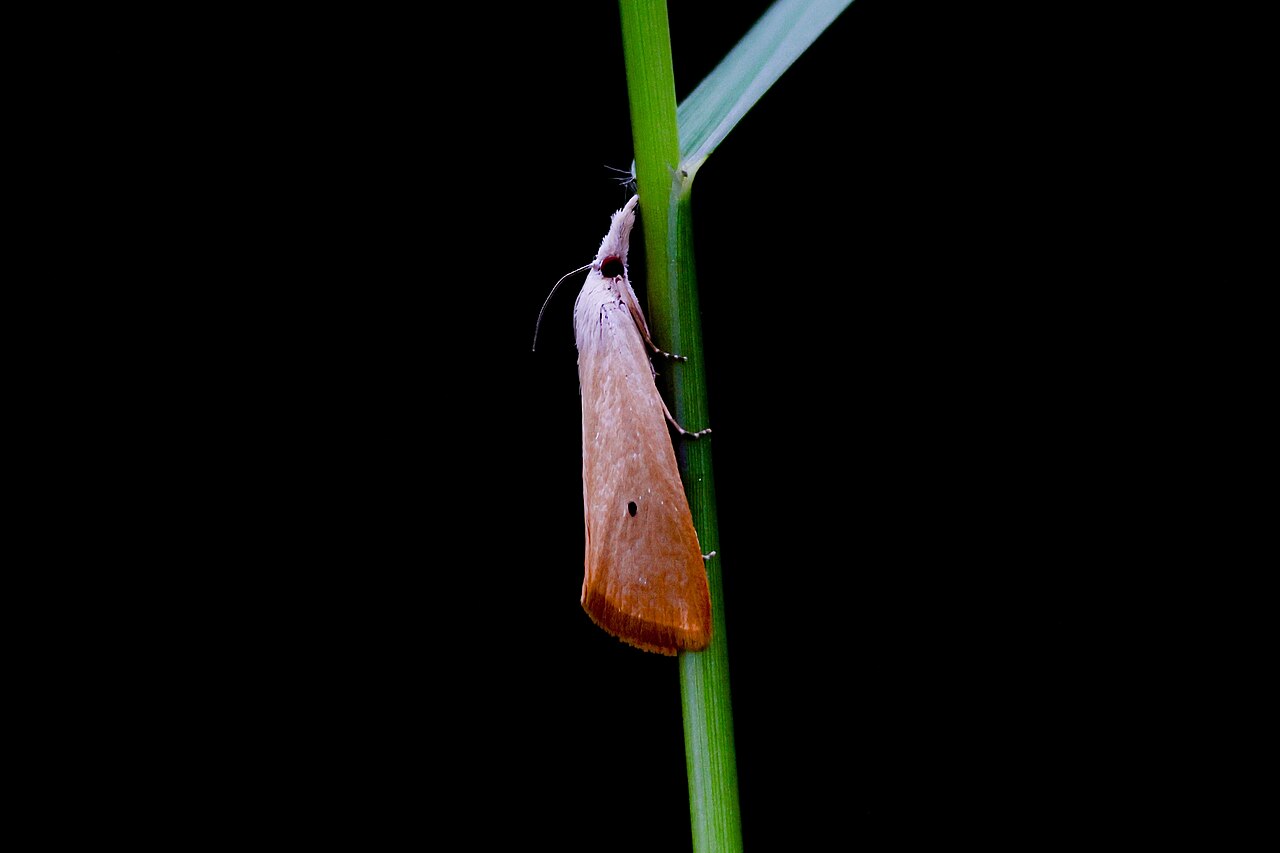
India's Registration Committee under the Ministry of Agriculture, meeting for the 476th time on 10 September under Agriculture Commissioner Dr P. K. Singh, approved a set of registrations for the indigenous manufacture of crop-protection products, among them pioxaniliprole, which the committee recorded as the first insecticide active ingredient ever discovered in India. PI Industries received clearance for the technical material (97.5 percent minimum) and a 20 percent suspension concentrate.
The formulation is registered for rice against yellow stem borer and leaf folder, for chilli against fall armyworm, fruit borer and tobacco caterpillar, for tomato against fruit borer and for Bengal gram against pod borer. The committee noted that the application gives practical effect to its earlier decisions on indigenous capability and fits the government's aim of developing home-grown technologies for Indian farmers.
Other approvals covered Willowood Chemicals' flonicamid 7.5% + chlorantraniliprole 6% + bifenthrin 10% SC for rice planthoppers, leafhopper, leaf folder and stem borer; UPL Sustainable Agri Solutions' ipconazole 2.35% + metalaxyl 1.88% ME for disease management in maize, groundnut, cotton and soybean; FMC India's cyantraniliprole 20.85% + flonicamid 20.85% SC for cotton pests including whitefly, bollworm and pink bollworm; and two multi-active chilli insecticides from Chemley Agritech (fluxametamide + pyriproxyfen + flonicamid SE) and Seedlings India (fluxametamide + flonicamid + abamectin ME). Agrow Allied Ventures gained a technical registration for fluopyram, and Krishi Rasayan Exports an import registration for carfentrazone-ethyl technical as a new source.
Several registrations are subject to the fixing of maximum residue limits and carry cautionary label statements on toxicity to aquatic organisms and honeybees. Most come with a provisional two-year shelf life, with applicants required to submit real-time storage-stability data covering at least 30 months within two and a half years, failing which the certificate is cancelled. For Bangladesh, where the same stem-borer, leaf-folder and fall-armyworm pressures shape rice and chilli spraying, an Indian-discovered active moving through registration is worth watching.
Photo: Md. Farhan Nabil / Wikimedia Commons (CC BY-SA 4.0)
Source: Global Agriculture
Comments
(0)