
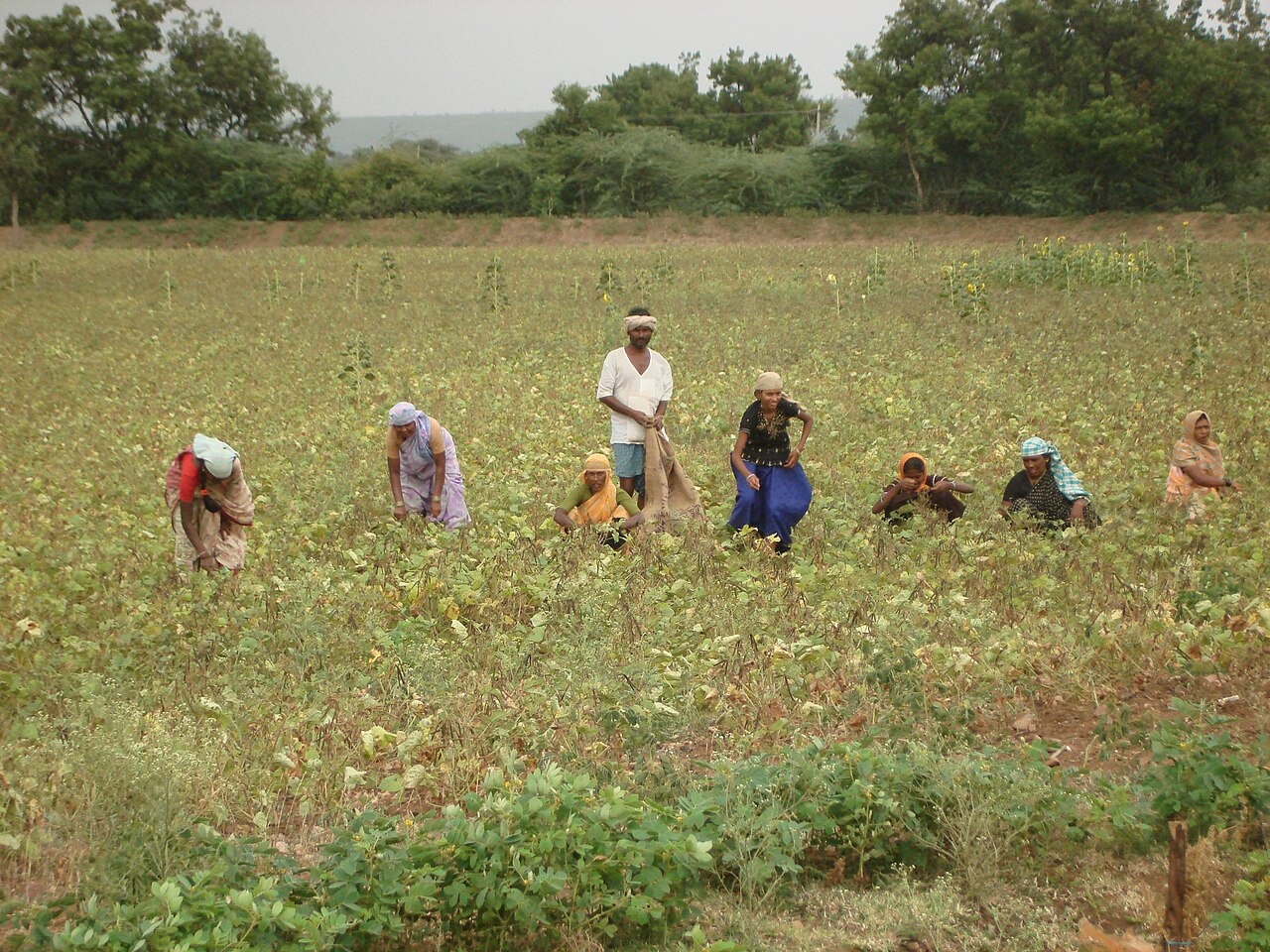
Artificial intelligence is reaching Indian farmers through weather forecasts, pest alerts, farm records and advisory services, but it will only be useful if it explains its advice in words farmers can understand and question, Krishi Jagran argues in an editorial analysis.
The digital base is already large. By February 2026 the Digital Agriculture Mission had created more than 76.3 million Farmer IDs, and government data report 235 million crop plots surveyed. Kisan e-Mitra, a voice-enabled AI system that handles farmers' questions in 11 regional languages, had answered more than 9.3 million queries by December 2025 and takes over 8,000 questions a day, according to official figures.
Reach alone does not solve communication, the article says. A farmer asking about leaf damage needs to know which signs to check before being told what to do, and advice should reflect local conditions, because rainfall, soil, pests, irrigation and planting dates can change the right answer over short distances.
Local forecasts show the value. During the 2025 kharif season, monsoon forecast messages reached 38.8 million farmers in 13 states, and follow-up surveys found that 31 to 52 percent changed planting decisions, mostly land preparation, sowing time, crop choice or inputs.
Human experts still have a role: AI should help extension workers answer routine questions faster, while hard cases go to agronomists or local officers. The National Pest Surveillance System, used by more than 10,000 extension workers, covers 66 crops and more than 432 pest types. Farmers also need a way to challenge doubtful advice, and every recommendation carrying serious crop or financial risk should name its source.
Bharat-VISTAAR, launched in 2026 as a voice-first platform for location-specific advice drawing on ICAR and other trusted sources, is the kind of system the article has in mind; the next challenge, it says, is making such tools easier to understand and question.
Photo: Ksd5 / Wikimedia Commons (CC0)
Source: Krishi Jagran
Comments
(0)