
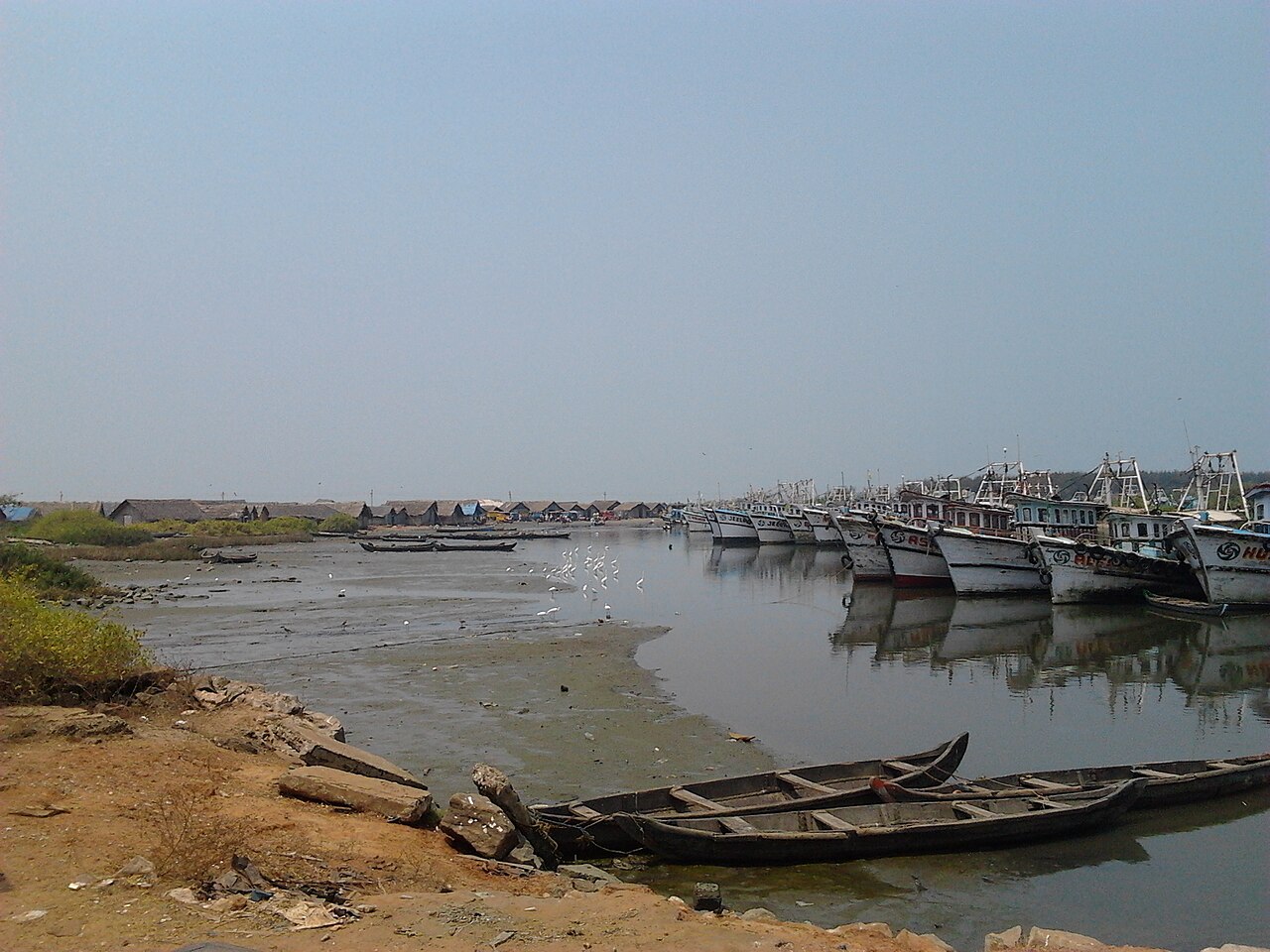
India's plan to turn traditional fishers into deep-sea fishers is falling short of its ambitions, an investigation by Mongabay-India in partnership with the Pulitzer Center's Ocean Reporting Network has found. Under the Pradhan Mantri Matsya Sampada Yojana (PMMSY), launched in 2020, the government approved around Rs 470 crore for 392 deep-sea fishing vessels in 2020-25, mostly tuna longliner-and-gillnetters costing at least Rs 1.2 crore each. By September 2026 only 131 had been ordered, according to RTI responses and state officials compiled by the reporter, Aditi Tandon.
Costs are usually shared 60% by the fisher and 40% by the government, with higher subsidies for women and some disadvantaged groups, varying by state, and the fishing gear is extra. Most orders come from Karnataka (58) and Maharashtra (49). Large fishing states such as Andhra Pradesh and Kerala have only six boats operating, and there have been no takers in Odisha, Gujarat, Goa or Tamil Nadu.
Kerala was the first state to implement the scheme, with 22.7-metre steel vessels built by Cochin Shipyard. Their owners report the same faults: cooling compressors that failed so catches rotted, engines stalling at sea and burning too much fuel, rudders not working and water seeping into the engine room. None is making a profit, and their debts together exceed Rs 4 crore. Shaju Antony, a Kerala fisherman, raised about Rs 7.2 million as his share, received his boat in December 2023 and spent another Rs 3 million on repairs. "If they are building boats for fishermen, why aren't they consulting the fishermen?" he asks.
In Maharashtra, union leader Kiran Koli first applied in 2017-18 under the earlier Blue Revolution scheme and received his boat only in June 2026, with the last two subsidy instalments still unpaid. After Kerala's experience, fishers and boatyards in Karnataka and Maharashtra pushed for a different design, and in August 2025 the fisheries ministry issued an amended procedure for buying the vessels.
The stakes are large: fisheries contribute 1.1% of India's GDP and 7.26% of agricultural gross value added and support about 28 million livelihoods. With coastal waters under pressure from overfishing, erosion and development, the government sees waters deeper than 200 metres, with tuna, billfish and oceanic squid, as the way to grow. But delayed payments, high running costs, poor boat design and the lack of a supply chain and market for the catch have made other fishers wary of joining. This is the first story in a series on deep-sea fishing in India.
Photo: PP Yoonus / Wikimedia Commons (CC BY-SA 3.0)
Source: Mongabay India

Comments
(0)