
Md Sabbir Hossain
With the roar of the Bay of Bengal on one side and the stillness of green hills on the other, Inani National Park in Cox's Bazar is more than a sight for tourists: it is a hidden nursery of biodiversity in south-eastern Bangladesh. A recent study of the forest has, in effect, unlocked one of nature's secret chests.
23 mammal species found
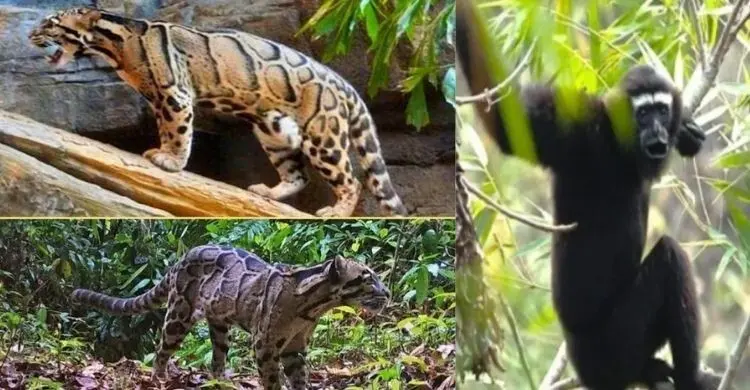
Researcher Bipul Krishna Das's work has revealed a new side of the Inani forest. Using silent camera traps, the line-transect method and indirect signs left deep in the forest, the study found traces of 23 species of mammals. The most striking names on the list are the clouded leopard and the hoolock gibbon. The presence of these two species, both identified worldwide as highly threatened, shows that Inani still holds on to its wild life despite human carelessness.
Pressure on the forest
The finding is cause for joy, but it hides a deep worry. The study recorded not only the animals but also the uncontrolled human encroachment on the trees and the forest. Day by day, human activity is wounding the forest's natural ecosystem, and the space where wild animals can roam is shrinking.
Professor Mohammad Firoj Jaman of the Department of Zoology at the University of Dhaka puts this reality more plainly. In his view, major limitations remain in conserving the country's wildlife and forests. For lack of adequate funding, a shortage of staff and a deficit in modern management, wildlife in many parts of the country is constantly at risk.
Inani National Park reminds us that nature is not yet lost, but that the time to protect it is now. If this meeting of hill forest and rare wildlife cannot be saved, the future will inherit only history, not a living forest. Saving this green coastal wall and its inhabitants needs integrated management and a lasting conservation policy without delay.
The writer is a student at Tamirul Millat Kamil Madrasa, Tongi.
Source: Jagonews24. First published in Bengali on The Agro News.

Comments
(0)