
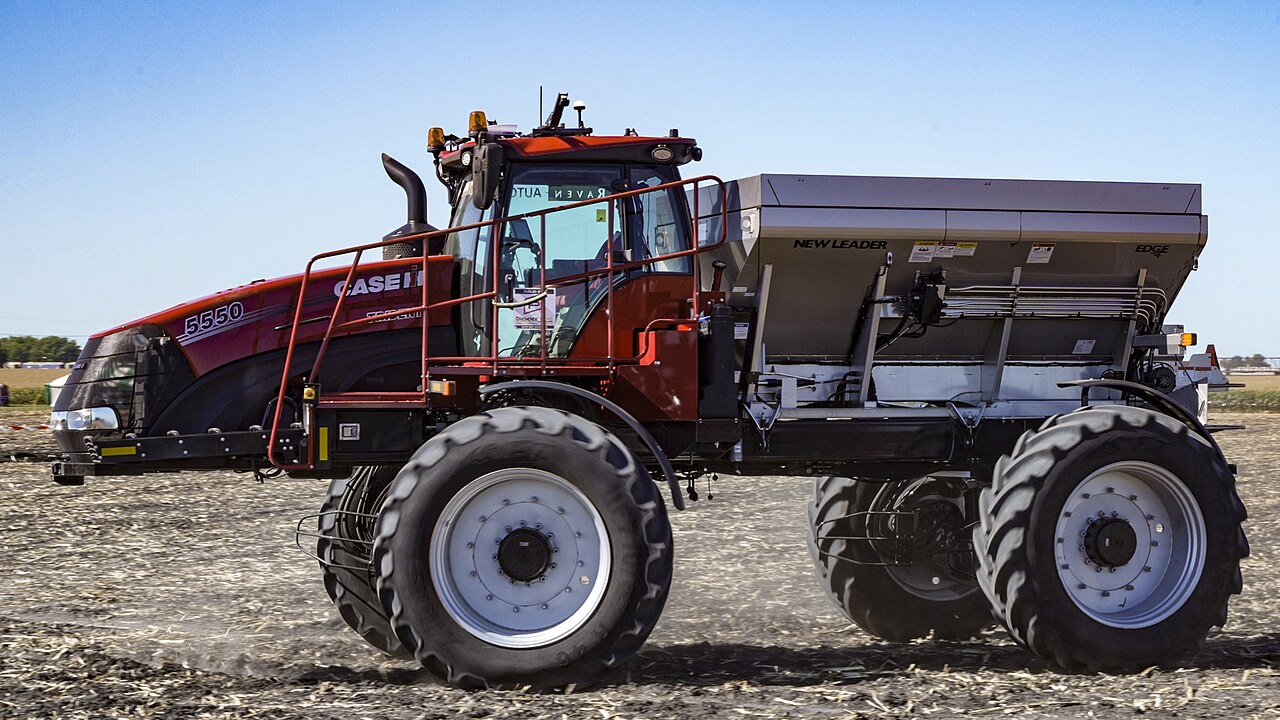
The tractor will lose its place at the top of the farm machinery hierarchy as farms go autonomous, and implements will take over, a panel of experts told the World Agri-Tech conference in London. The condition, they said, is that manufacturers make implements interoperable with tractors of different brands.
Geopolitical risk, the push to use fewer pesticides and herbicides, and the difficulty of finding staff are all encouraging farmers to buy autonomous tractors. Mark Durno, a partner in Scottish venture capital firm NourishTech, told of a farming friend who bought one after employing 12 drivers in 12 months. Peter van der Vlugt, managing director of strategic partnerships at Kubota Europe, said demand for autonomous tractors is growing, and so is demand for implements the machines can use.
Belinda Clare of Agri-TechE, which connects farmers with scientists and entrepreneurs, said farmers want machines that make low-level tasks easier, such as a robot that moves produce around a store. Marc Hanheide, professor of intelligent robotics at the University of Lincoln, predicted that farms will switch wholesale to autonomous vehicles and robots rather than buy one at a time, at a speed set by how well brands and implements work together.
Norbert Schlingmann, head of the Agricultural Industry Electronics Foundation, a global body that promotes cooperation in farm electronics, said the lack of interoperable implements is holding back uptake of autonomous machinery. "The tractor is no longer the king. The implement is the king," he said.
Durno said start-ups building robots face heavy pressure from investment, manufacturing, suppliers, marketing and scaling, and suggested they partner with contractors and leasing companies so farmers can try the machines and build trust. Hanheide added that ownership, sharing and secure storage of the data the machines generate, which is valuable to both farmer and manufacturer, is another issue still to be settled.
Photo: USDA / Wikimedia Commons (public domain)
Source: Farmers Weekly NZ


Comments
(0)