
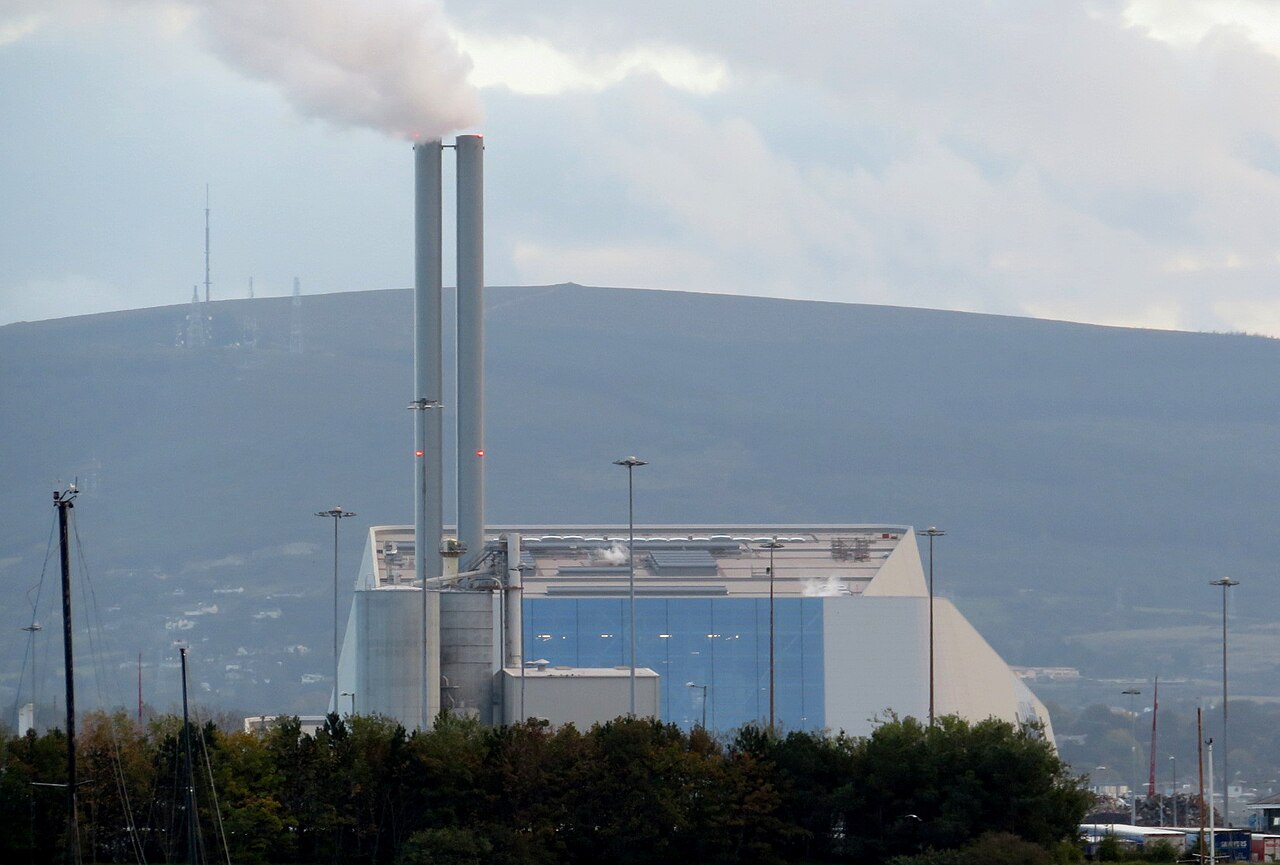
Reducing waste, recycling more and using resources efficiently could cut greenhouse gas emissions by more than 1.5 billion tonnes of carbon dioxide equivalent a year by 2035, the International Energy Agency (IEA) says, while doubling plastic recycling and quadrupling biogas production. The report was released on Wednesday, the third day of COP31 in Antalya, Turkey, Protidiner Sangbad reports.
The report, "Synergies between Waste Reduction, Resource Efficiency and Energy Systems Decarbonisation", prepared at the request of the COP31 presidency, says the world produces about 2.6 billion tonnes of municipal waste a year. Collecting, processing, disposing of and burning it accounts for about 4 per cent of global greenhouse gas emissions, and waste management is linked to about a fifth of man-made methane emissions.
It identifies three routes to lower emissions: preventing waste through changes in product design and production; recovering resources by separating and recycling waste; and turning residual organic waste into energy in an environmentally sound way. The 1.5 billion tonne figure is an estimate of potential savings, the report notes, not a binding international decision.
IEA executive director Fatih Birol said patterns of production, consumption and resource use shape not only waste but energy systems and economies. If governments and businesses act together, he said, they can cut waste, improve competitiveness and reduce emissions at the same time.
At the two-day Antalya Leaders' Summit, which opened the same day, a high-level meeting on zero waste, circularity and methane chaired by Turkey's first lady Emine Erdogan put forward three proposals: halving the projected growth in municipal solid waste by 2035, raising the use of circular materials in manufacturing and industry to at least 15 per cent, and controlling methane from landfills. A UNDP event on the experience of Turkey, China and Tunisia discussed organic waste and municipal waste management and the need for finance, technology and public-private partnership.
The paper also drew out the meaning for Bangladesh: rapid urbanisation is swelling waste in big cities, while collection, separation at source, recycling and scientific disposal remain inadequate. Modern municipal waste management, biogas from organic waste, preventing food waste and recycling industries could open opportunities, it says, but would need international finance, technology transfer and help with skills.
Photo: O'Dea / Wikimedia Commons (CC BY-SA 4.0)
Source: Protidiner Sangbad




Comments
(0)