
The Indian Council of Agricultural Research (ICAR) and the Food Corporation of India (FCI) have signed a memorandum of understanding to research alternative fumigation technologies for storing foodgrains safely and sustainably, ICAR said on 30 September.
The programme is supported by the Ministry of Consumer Affairs, Food and Public Distribution through its Department of Food and Public Distribution, and will be carried out in two phases by the ICAR-Central Institute of Post-Harvest Engineering and Technology (ICAR-CIPHET), Ludhiana. Phase I has been approved with a budget of Rs 3.28 crore over two years, during which CIPHET will validate the alternative technologies in the field at FCI-designated storage sites in Punjab.
Stored-grain protection in India currently depends mainly on chemical fumigants, above all phosphine. ICAR said occupational exposure, environmental concerns, residues and the limited choice of effective fumigants make scientifically validated alternatives necessary.
CIPHET will evaluate and develop operating protocols for controlled and modified atmosphere technologies, including treatments with nitrogen, with carbon dioxide, and with carbon dioxide combined with phosphine. The aim is standardised, scalable alternatives to conventional chemical fumigation for managing pests in stored grain.
The agreement was signed by Dr Nachiket Kotwaliwale, Director of ICAR-CIPHET, and Dr A.K. Sinha, Executive Director (Quality Control) of FCI, in the presence of Dr M.L. Jat, Secretary of the Department of Agricultural Research and Education and Director General of ICAR, and other senior ICAR scientists.
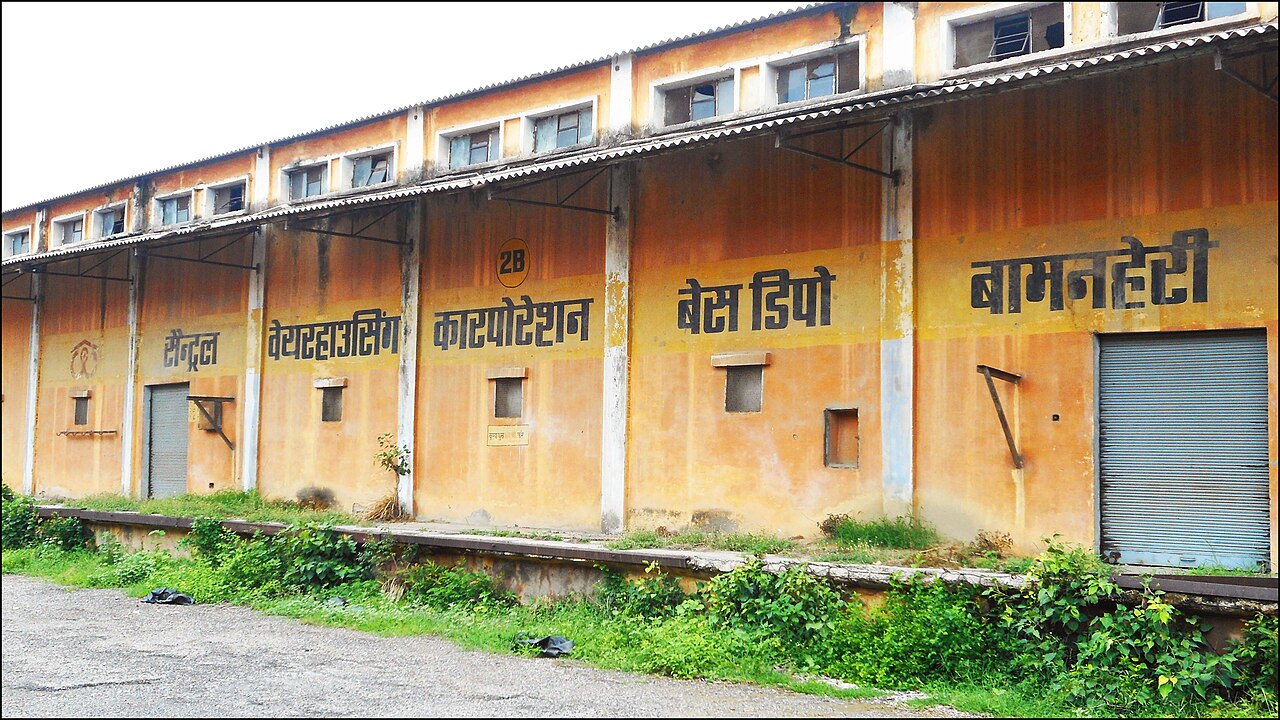
Photo: Prabhat1729 / Wikimedia Commons (CC BY-SA 4.0)
Source: ICAR



Comments
(0)