
About 2.3 million new cancer cases worldwide in 2024, 12% of the total, were caused by infections with viruses, bacteria and parasites, according to a new study from the International Agency for Research on Cancer (IARC), the World Health Organization's cancer agency, Euronews reports.
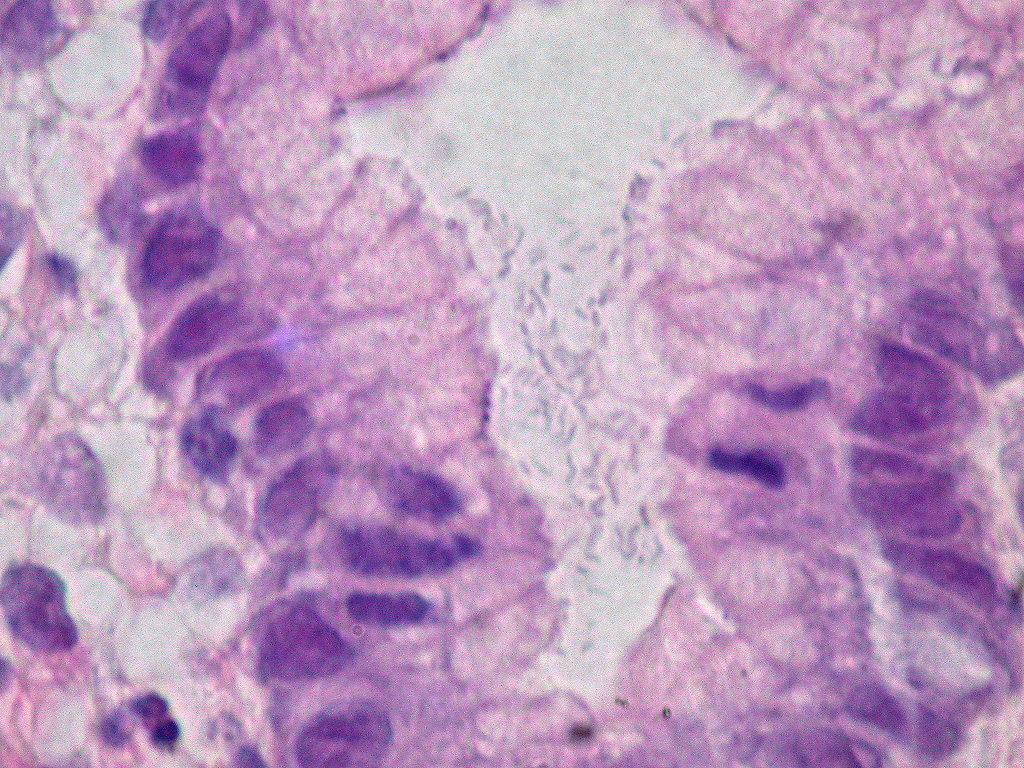
The leading cause was Helicobacter pylori, a stomach bacterium that often causes ulcers, linked to 760,000 new cases, 4% of all cancers, mainly of the stomach. Human papillomavirus (HPV) came second with 750,000 cases across eight cancer types, including every case of cervical cancer, followed by hepatitis B virus.
The burden is unequal. Low- and middle-income countries accounted for nearly three-quarters of infection-related cancers. Eastern Asia had the most, 990,000 cases or 42% of the global total, largely from H. pylori and hepatitis B, while in sub-Saharan Africa a quarter of all cancers were linked to infection, mainly through HPV. Northern, Western and Southern Europe, North America and Oceania were least affected.
"The findings underscore the major role that infection control can play in reducing the global cancer burden," said co-author Harriet Rumgay of IARC's Cancer Surveillance Branch. The authors call for wider use of existing vaccines, new vaccines, parasite control and more testing.
Senior co-author Gary Clifford said new prevention tools could have the greatest impact, pointing to the Epstein-Barr virus, one of the most common human viruses, which can cause six cancer types and has no approved vaccine. The study notes that Japan, South Korea and China screen for stomach cancer by endoscopy, while several European countries are piloting cheaper H. pylori "screen-and-treat" programmes. The report is by Marta Iraola Iribarren.
Photo: Ed Uthman / Wikimedia Commons (CC BY-SA 2.0)
Source: Euronews, Green/Agriculture


Comments
(0)