
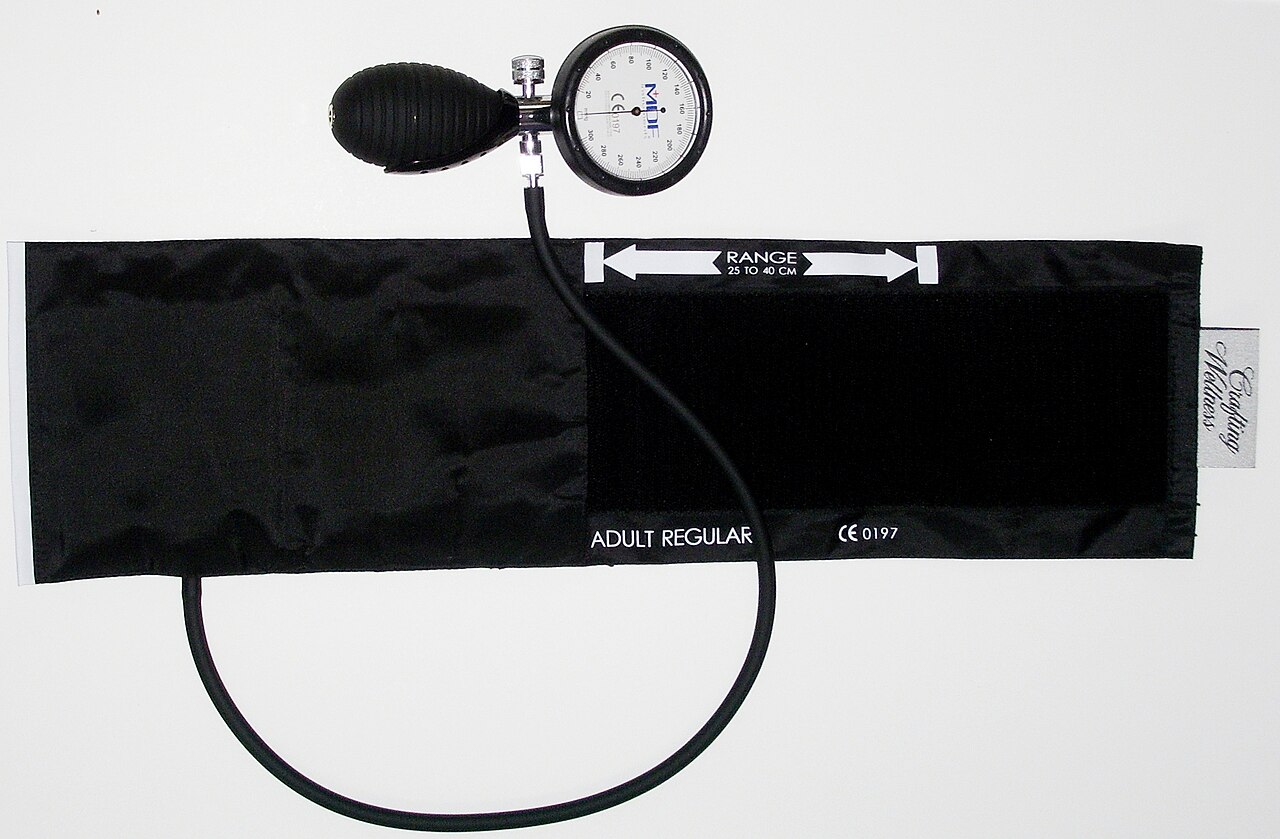
High blood pressure has become a leading cause of heart disease deaths in Bangladesh. About 283,800 people died of heart disease in 2024, and high blood pressure was responsible for 52% of those deaths, a journalists' workshop at the BIP conference room in Dhaka heard on Wednesday, Samakal reported.
The workshop, on sustainable financing for hypertension control in Bangladesh, was organised by the research and advocacy group PROGGA (Knowledge for Progress) with the Global Health Advocacy Incubator (GHAI). Twenty-five journalists took part.
Non-communicable diseases kill about 570,263 people in Bangladesh every year, roughly 71% of all deaths, and 19% of those deaths are premature, the workshop was told. In the Bangladesh Bureau of Statistics' Health and Morbidity Status Survey 2025, high blood pressure tops the list of the country's ten most common diseases.
Yet according to the World Bank, only 4.2% of the health budget is spent on controlling non-communicable diseases. For lack of money, the NCD corners of community clinics and upazila health complexes cannot keep a steady supply of free blood pressure medicine, putting the treatment of patients who need it for years at risk.
Dr Md Enamul Haque, director general of the Health Economics Unit, said raising health's share of the budget from 5.3% to 7.4% this year was welcome, and that part of the increase should now go to controlling high blood pressure.
Zahirul Alam, executive director of Channel 24, called for steady campaigns in the media and on social media. The discussants included GHAI associate director for non-communicable diseases Ejine Ejekoyem, Bangladesh country lead Muhammad Ruhul Quddus, ATMA convener Mortuza Haider Liton and PROGGA executive director ABM Zubair; PROGGA programme head Hasan Shahriar and programme officer Samiha gave the presentations.
Experts at the workshop said that spending a significant part of the larger health budget on high blood pressure and other non-communicable diseases could cut premature deaths, provided financing is sustained and medicine reaches patients regularly.
Photo: ML5 at English Wikipedia / Wikimedia Commons (Public domain)
Source: samakal



Comments
(0)