
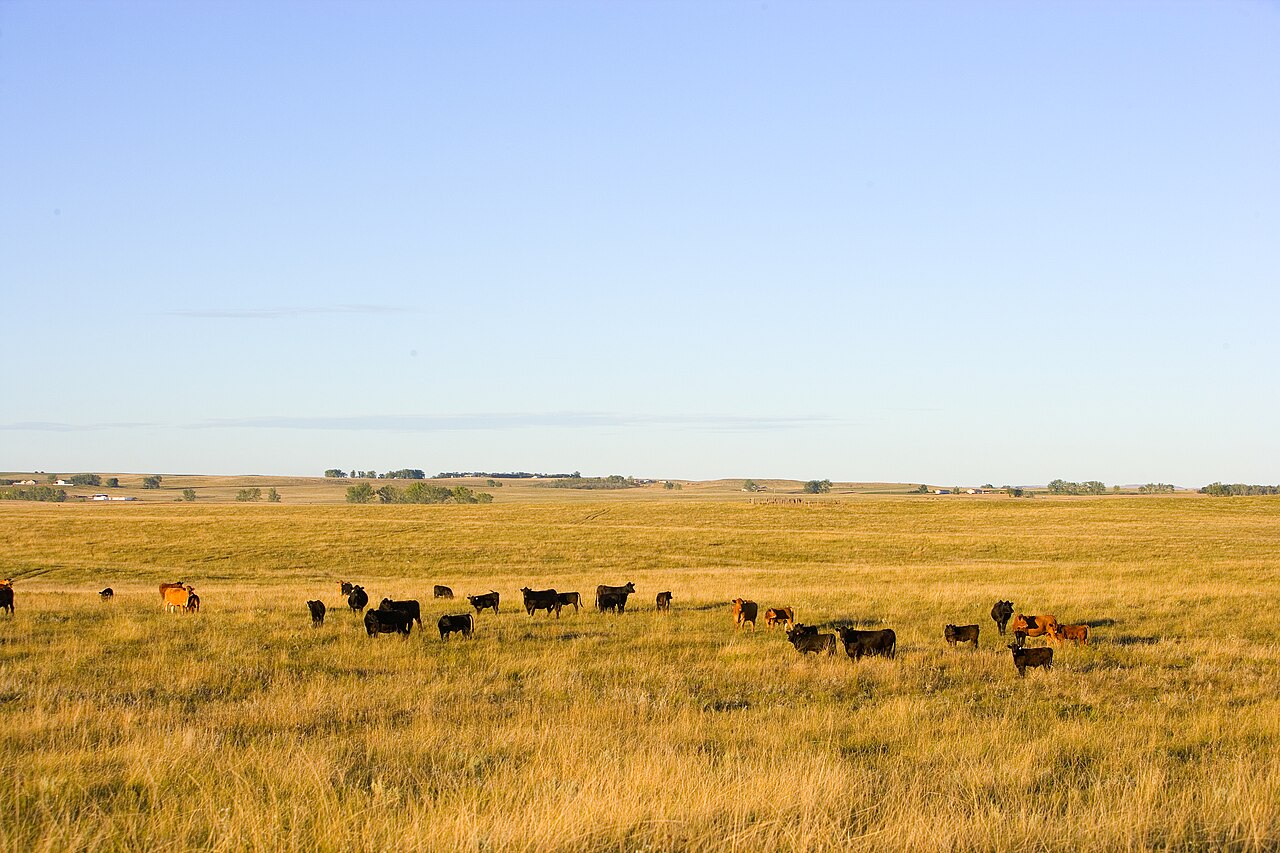
Senator John Hoeven of North Dakota used the annual convention of the North Dakota Stockmen's Association in Bismarck on 26 September to set out the livestock provisions he has written into the Senate's version of the farm bill, which his office calls Farm Bill 2.0.
The most local of them concerns prairie dogs. Hoeven's measure would amend the prairie dog management plans for the Dakota Prairie Grasslands so that prairie dog habitat covers no more than 1.5 percent of any single grazing allotment, and would set a one-mile buffer along neighbouring state and private land.
Two further provisions deal with disaster aid. One would write into law separate payment categories under the Livestock Indemnity Program (LIP) for calves weighing less than 400 pounds and for those weighing 400 pounds or more. The other would require the Emergency Assistance for Livestock, Honeybees and Farm-Raised Fish Program (ELAP) to cover transport costs during qualifying drought, both for hauling feed or water to livestock and for moving animals to available forage or grazing acres.
"Our cattle producers have faced a range of challenges in recent years, including diminished herd sizes and natural disasters," Hoeven said. He added that the colonies "need to be better managed to protect grazers and adjacent private lands".
The senator, who chairs the Senate Agriculture Appropriations Committee and sits on the Senate Agriculture Committee, presented the farm bill measures as building on changes already passed in the Working Families Tax Cut Act, also known as the One Big Beautiful Bill.
Under that law, LIP now pays 100 percent of market value for livestock lost to federally protected predators and 75 percent for weather and disease losses. The Livestock Forage Program (LFP) makes one monthly payment to producers whose grazing land lies in a county rated D2, severe drought, for at least four consecutive weeks, and two payments if D2 persists for any seven of eight consecutive weeks within the normal grazing period.
For ranchers in the northern Plains, the calf weight categories and the drought transport cover would change how much of a bad year the federal programmes absorb. The Senate provisions still have to pass as part of a final farm bill.
The statement from the senator's office was carried by American Ag Network.
Photo: Scott Bauer, USDA Natural Resources Conservation Service / Wikimedia Commons (public domain)
Source: American Ag Network
Comments
(0)