
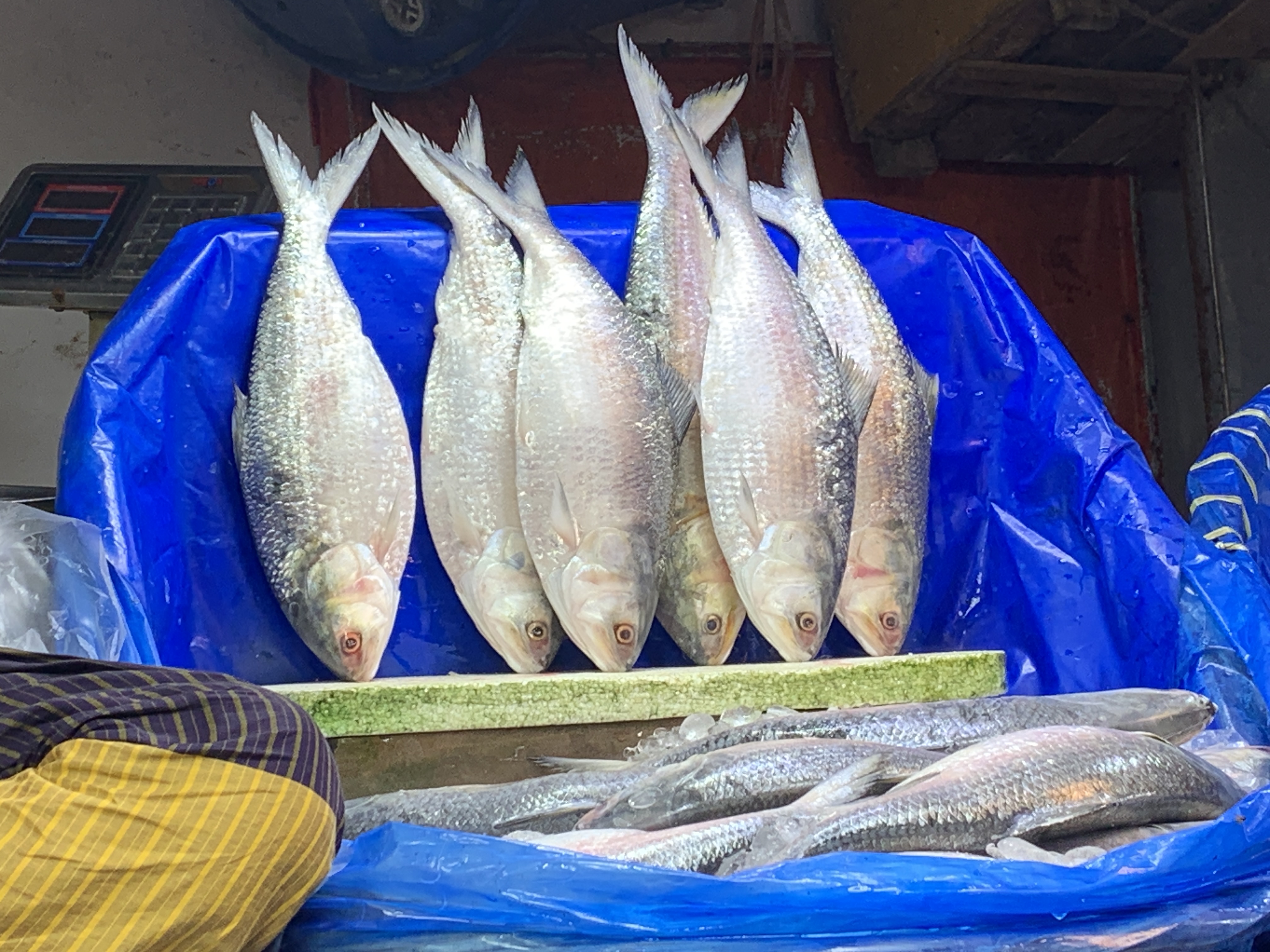
On 27 July 2026, in the middle of the monsoon hilsa season, the lifestyle desk of the Bangladeshi news site Jagonews24 published a kitchen guide to a step most cooks take for granted: washing the fish. Its argument was simple. Whether hilsa is steamed as bhapa, wrapped and cooked as paturi, cooked with mustard, made into a curry (jhol) or fried, its own aroma and oil are its greatest attraction, yet many people who bring fresh hilsa home from the market find that the cooked fish lacks the taste they expected. Often, the report said, the cause is not the spices but the wrong way of washing the fish. The piece named India Today and India Food Network as its sources; it did not name the cooking experts whose advice it summarised.
Why the washing step matters for hilsa
According to the cooking experts cited in the report, keeping hilsa's flavour begins with care in washing it, because the natural oil in the fish, the fine layer of blood on it and its soft, delicate flesh are what set its taste apart from other fish.
Laboratory figures show how much of a hilsa is water and fat. In a study published online in the journal Food Science & Nutrition on 27 April 2026, food engineers from Jashore University of Science and Technology and Gopalganj Science and Technology University analysed six hilsa of about 900 to 1,000 grams each, bought at a local fish market in Barishal in June 2024. The raw fish contained 68.50 per cent moisture, 12.32 per cent fat and 18.52 per cent protein on a wet basis. In the laboratory the researchers washed the fish with tap water, removed the scales and cut it into pieces about 3 centimetres thick, weighing 80 to 100 grams each.
Fat of that order sits in the flesh and just under the skin, and the report's whole case rests on keeping it there. Every rule it gave was about limiting how long the cut pieces stay in contact with water and with anything that could strip or mask their natural oil and smell.
What the report advised
Do not leave the pieces soaking
After cutting hilsa, many people leave the pieces soaking in water for a while to clean them. The report called this one of the biggest mistakes. The longer the fish stays in water, it said, the more of its natural oil, juices and flavour leach out with the water, so that the fish tastes dry and bland after cooking. The best course is to rinse the pieces lightly and take them out of the water as quickly as possible after cutting.
No need to wash it again and again
The light blood or slippery coating on hilsa, the report said, is in fact an important part of the fish's natural taste and aroma. There is therefore no need to wash it repeatedly as people do with other fish. Rinsing the pieces gently once or twice in clean water is enough; washing them too much can dull their flavour.
Keep lemon, vinegar and turmeric out of the washing water
To remove the fishy smell of other fish, many cooks wash them with lemon juice, vinegar, or salt and turmeric. The report advised against doing this with hilsa, because it spoils the fish's natural aroma, its tenderness and the taste of its oil. Plain, clean, cool water is all that hilsa needs.
The advice is about washing. Many published Bangladeshi recipes still season the cleaned pieces with salt and turmeric as part of the cooking itself. The Daily Star's hilsa recipes of 19 September 2022, for example, marinate the pieces with salt and a pinch of turmeric for 15 to 20 minutes before a curry with nigella seeds (kalo jeera ilish), and rub the pieces with salt before shada ilish, a plain dish of hilsa cooked over onions with green chillies and mustard oil.
Drain off the extra water
If too much water stays on the fish after washing, the report said, the spices and oil do not blend properly during cooking. The curry can turn watery, and fried fish does not get the taste the cook wants. After washing, the pieces should be left in a colander, or pressed gently with a clean cotton cloth, so that the extra water drains away.
Ice-cold water is not needed
Many people believe that washing fish in ice-cold water keeps it fresher. For hilsa, the report said, this does not help: very cold water can firm up the muscle of the fish, so that it loses some of its natural tenderness after cooking. Clean water at ordinary temperature is the best way to wash hilsa.
Following these small rules before cooking, the report concluded, keeps much of the fish's natural oil, tenderness and aroma intact, so that even with mustard, green chillies or a few spices the familiar, traditional taste of hilsa from the Padma or the Meghna comes through. In its words, the secret of good hilsa lies not only in the recipe; it begins with washing the fish the right way.
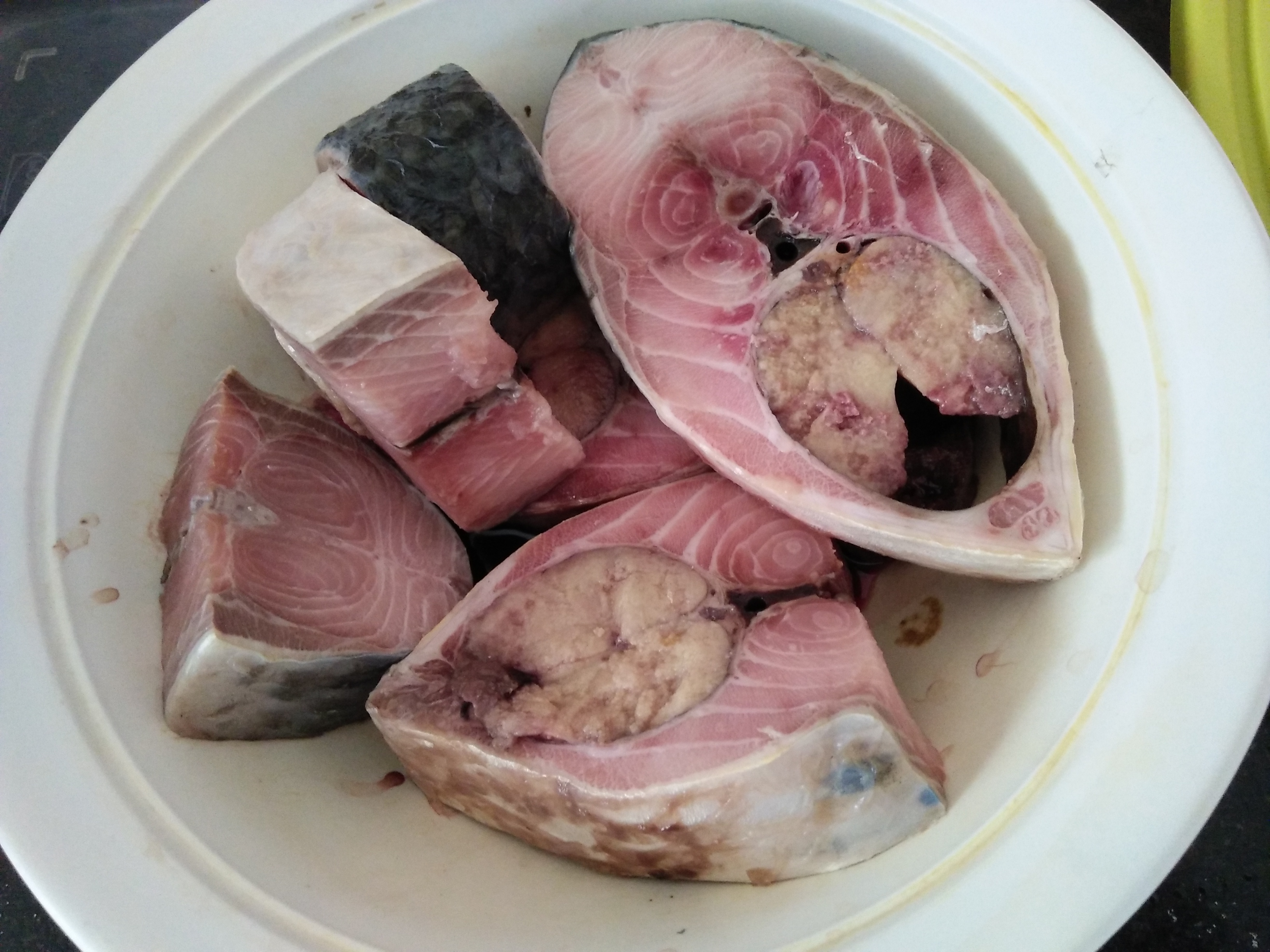
Handling raw fish safely: what health authorities advise
The report was about taste. Health and food-safety authorities add rules that apply to hilsa as to any raw fish. The World Health Organization's Five Keys to Safer Food, the core messages of its food-hygiene manual, are to keep clean; separate raw and cooked food; cook thoroughly; keep food at safe temperatures; and use safe water and raw materials. WHO says its poster of the five keys has been translated into more than 87 languages.
In its food safety fact sheet of 4 June 2026, WHO estimated that 866 million people, almost one in nine in the world, fall ill after eating contaminated food each year and 1.52 million die, and that children under five carry 29 per cent of the health burden from unsafe food. Food contaminated with harmful bacteria, viruses, parasites or chemical substances, it said, can cause more than 200 different diseases, ranging from diarrhoea to cancers.
The U.S. Food and Drug Administration's consumer guide to selecting and serving fresh and frozen seafood gives practical checks for the market. Fish should be refrigerated or displayed on a thick bed of fresh ice. It should smell fresh and mild, not fishy, sour or ammonia-like; its eyes should be clear and shiny; and a whole fish should have firm flesh and red gills with no odour, with flesh that springs back when pressed. Colour alone, the FDA notes, is not a sign of freshness, because diet, environment and some treatments can affect it.
At home, the FDA advises putting seafood on ice or in the refrigerator or freezer soon after buying it. Fish that will be used within two days should be kept in a clean refrigerator at 40°F or below; otherwise it should be wrapped tightly in plastic, foil or moisture-proof paper and frozen. Frozen fish is best thawed gradually in the refrigerator overnight. To thaw it quickly, it can be sealed in a plastic bag and immersed in cold water, or, if it will be cooked straight away, defrosted in a microwave and taken out while still icy but pliable.
To keep bacteria from raw seafood away from food that is ready to eat, the FDA tells cooks to wash their hands for at least 20 seconds with soap and warm water after handling any raw food, and to wash cutting boards, dishes, utensils and counter tops with soap and hot water between preparing raw foods such as seafood and preparing cooked or ready-to-eat foods. Most seafood, it says, should be cooked to an internal temperature of 145°F; without a thermometer, cooked fish can be recognised by flesh that separates easily with a fork. Uncooked spoiled seafood can smell sour, rancid, fishy or of ammonia, and these smells grow stronger after cooking: fish that smells that way should not be eaten.
Fish is also a common cause of food allergy. A study by the Institute of Nutrition and Food Science at the University of Dhaka with the University of Oklahoma and the University of York, published in the Journal of Agricultural and Food Chemistry in November 2025, examined parvalbumin, the major allergen in bony fish, in hilsa. It identified three forms of the protein in hilsa muscle, found higher levels in juvenile hilsa than in adults, and found significantly lower levels in hilsa than in the other freshwater species it compared. Anyone with a known fish allergy should follow their doctor's advice.
What frying does to hilsa: a 2026 laboratory study
Frying is one of the cooking methods the report named, and the April 2026 study from Jashore and Gopalganj measured exactly what it does to hilsa. The researchers fried the pieces in mustard oil at 170 to 180°C for up to 12 minutes, checking them at 0, 3, 6, 9 and 12 minutes. To make sure that the results reflected only the effect of frying, they used no flour, batter, salt or other coating.
Moisture in the fish fell from 68.50 per cent to 41.35 per cent over the 12 minutes, while fat rose from 12.32 per cent to 27.25 per cent as the fish absorbed oil. Protein rose on a wet basis, from 18.52 to 21.26 per cent, because water was lost, but on a dry basis it fell from 58.79 to 35.55 grams per 100 grams of dry matter, which the authors read as thermal degradation.
Longer frying cut the essential amino acids sharply, especially lysine and histidine, and caused large losses of polyunsaturated fatty acids, including a 59 per cent fall in eicosapentaenoic acid (EPA), an omega-3 fatty acid. Saturated fatty acids rose from 42.64 to 49.17 per cent, trans fatty acids increased, and the peroxide value, a measure of fat oxidation, climbed from 5.11 to 6.84 milliequivalents of oxygen per kilogram. The fish darkened and grew harder, from 12.50 to 36.52 newtons, and chewier.
A tasting panel scored fish fried for 3 to 6 minutes highest for flavour, texture and overall acceptability; longer frying made the scores worse. In their introduction the authors noted, citing earlier research, that frequent eating of fried foods rich in oxidised fats and trans fats has been associated with higher risks of obesity, cardiovascular disease and type 2 diabetes.
The dishes the report had in mind
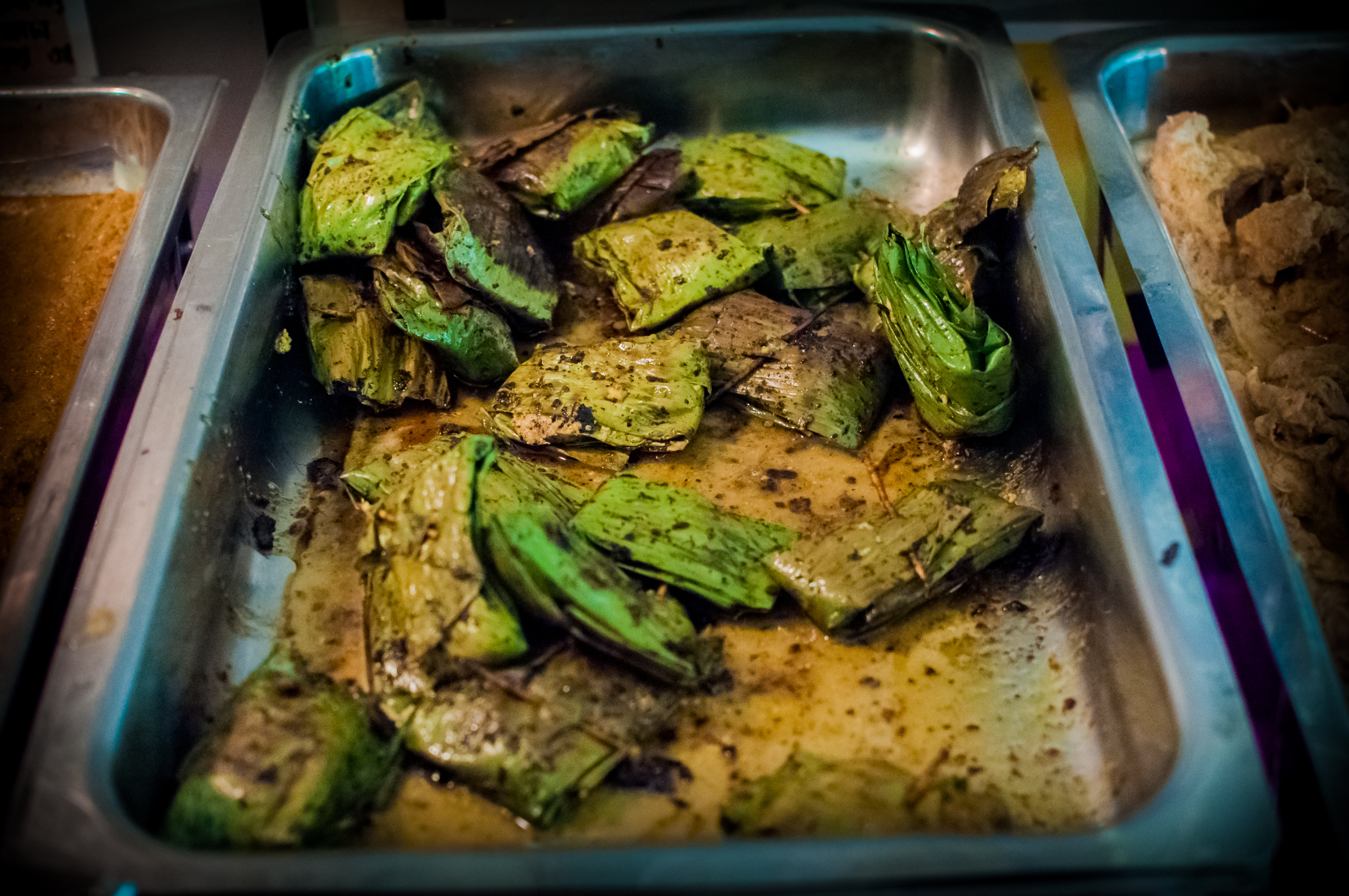
The report listed the dishes in which hilsa's own taste matters most: bhapa (steamed hilsa), paturi, hilsa with mustard (shorshe ilish), the thin curry known as jhol, and fried hilsa. Its point was that in each of them, a fish washed the right way needs only mustard, green chillies or a few spices.
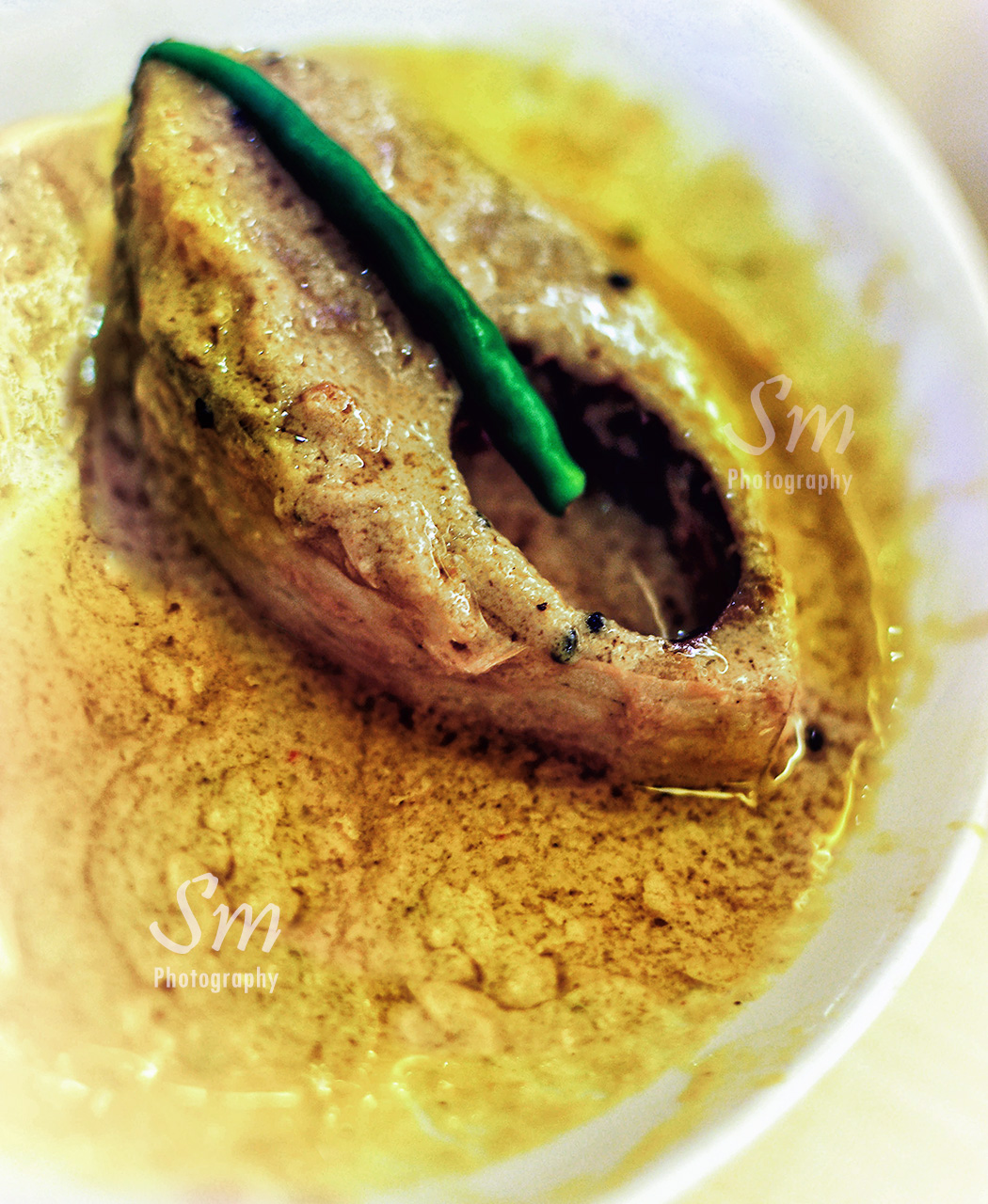
The Daily Star's selection of five hilsa recipes, published on 19 September 2022 near the end of that year's season, shows how few ingredients some of the classic dishes use. Shada ilish needs hilsa, onions, green chillies, mustard oil and salt: the chopped onions are mixed with salt and mustard oil, the fish is laid on top and cooked covered on a low flame. Kalo jeera ilish is a curry of hilsa with nigella seeds, onion paste, red chilli and turmeric in mustard oil. Ilish macher tok is a sweet and sour dish in which fried hilsa is simmered in tamarind water with jaggery, Bengali five spice (panch phoron) and dry red chillies. The same selection included boneless ilish, cooked for a long time in a pressure cooker in a yoghurt mixture, and a mash (bhorta) made from fried hilsa tails.
That 2022 article also pointed readers to the bazaars of Chandpur and Mawa for fresh fish, two places on the Meghna and the Padma long associated with the hilsa trade.
The fish behind the recipes
Hilsa, ilish in Bengali, is the national fish of Bangladesh. According to Banglapedia, the national encyclopedia of Bangladesh, it belongs to the genus Tenualosa of the herring family Clupeidae. Three species occur in Bangladesh, Tenualosa ilisha, T. toli and T. kelee, and T. ilisha is by far the most caught. The body is strongly compressed, with regular, medium-sized scales over a metallic silver skin. A hilsa can reach 60 centimetres, though most measure 35 to 40 centimetres; a large fish weighs about 2.5 kilograms. Females grow faster and are usually larger than males, and the fish reaches maturity in one to two years.
The species ranges widely, from the Persian Gulf, the Red Sea and the Arabian Sea to the Bay of Bengal and the seas off Vietnam and China. It lives in the sea, in estuaries and in rivers, among them the Tigris and the Euphrates, the Indus in Pakistan, the rivers of eastern and western India, the Irrawaddy in Myanmar, and in Bangladesh the Padma, the Jamuna, the Meghna, the Karnaphuli and other coastal rivers.
Hilsa is anadromous: adults move upstream into fresh water to breed, the larvae hatch from free-floating eggs, and the young fish grow in the river channels before moving down to the sea to feed and grow, returning as mature adults to complete the cycle. A large female can produce up to two million eggs. Hilsa spawn more or less throughout the year, with a minor season in February and March and a major one in September and October. The young fish, known as jatka, are caught in large numbers in the main rivers as they migrate towards the sea. Hilsa feed mainly on plankton, including blue-green algae, diatoms, copepods and rotifers.
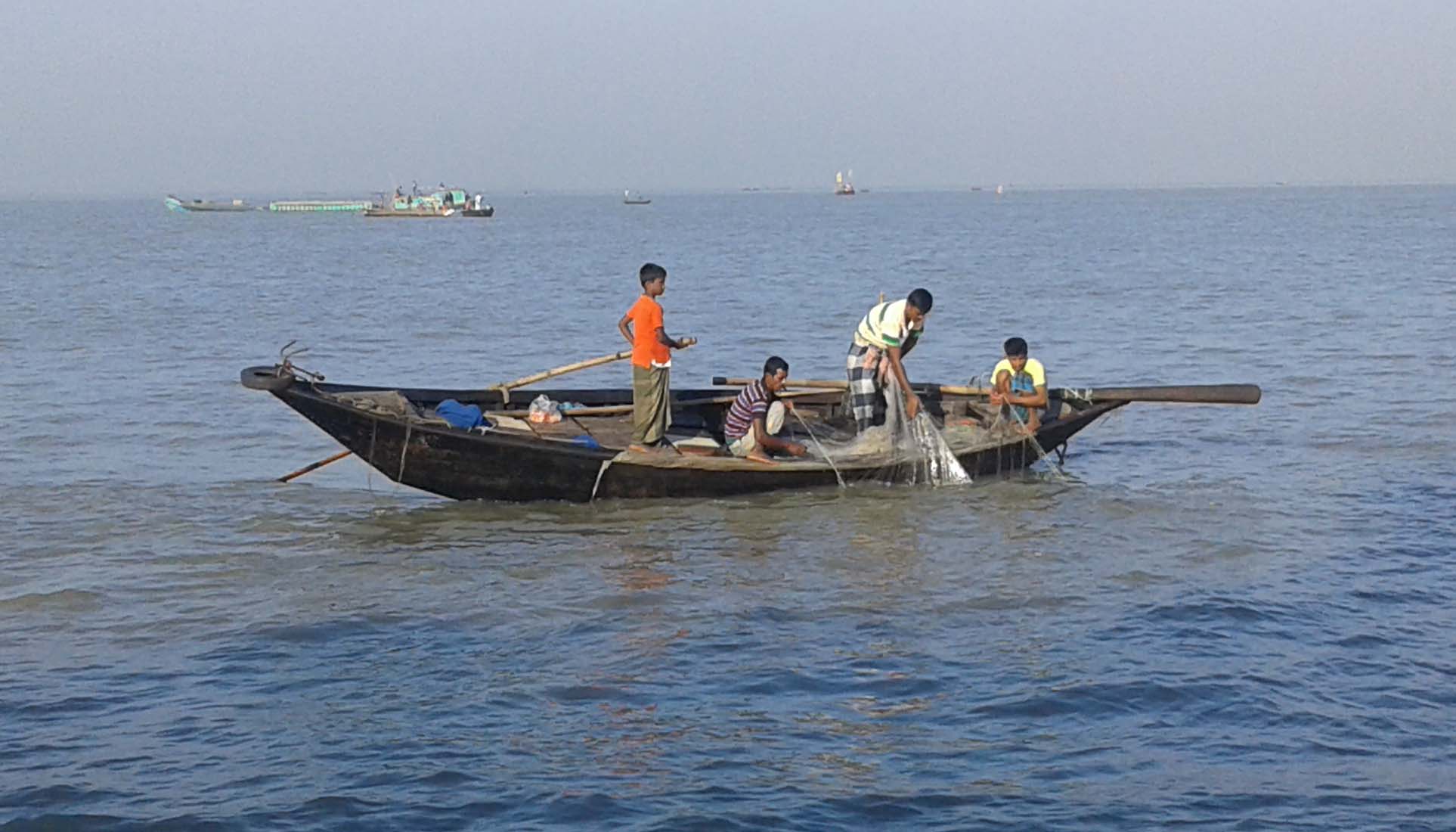
Banglapedia notes that fishermen catch the migrating adults from May to October, which is why hilsa fills the markets in the monsoon. Adult fish are caught mainly with fixed or drifting gillnets known as chandi jal, from one- or two-boat teams on the rivers and from mechanised boats of 10 to 13 metres or trawlers at sea, and a chain of collector boats, wholesale markets and traders carries the catch to inland markets.
Catch figures and protection rules up to 2026
Department of Fisheries figures, given at a press conference at the Secretariat on 6 April 2026 ahead of that year's Jatka Conservation Week and reported by The Daily Observer the next day, showed that the 2024-25 fiscal year produced about 500,000 tonnes of hilsa, the lowest in eight years. The department's yearly figures were:
- 2017-18: 517,000 tonnes
- 2018-19: 532,000 tonnes
- 2019-20: 550,000 tonnes
- 2020-21: 565,000 tonnes
- 2021-22: 566,000 tonnes
- 2022-23: 571,000 tonnes
- 2023-24: 529,000 tonnes
- 2024-25: about 500,000 tonnes
Production had last been below half a million tonnes in 2016-17, at 496,000 tonnes. At a press conference the previous 29 September, officials had cited a Bangladesh Fisheries Research Institute model forecasting 538,000 to 545,000 tonnes for 2024-25, while warning that the catch could be lower if the decline continued.
At the April 2026 press conference, the fisheries and livestock minister said hilsa made up about 9.79 per cent of the country's fish production and about 1 per cent of national GDP, that more than 80 per cent of the world's hilsa came from Bangladesh, which ranked first among 11 hilsa-producing countries, and that Bangladeshi hilsa held geographical indication (GI) recognition. About 600,000 people were directly involved in catching hilsa, he said, and 20 to 25 million were connected to related work such as transport, selling and processing. Estimates of the global share differ: the April 2026 frying study, citing earlier research, put Bangladesh at about 50 to 60 per cent of world supply, followed by Myanmar at 20 to 25 per cent and India at 15 to 20 per cent.
The minister listed the protection measures in force: a 58-day ban on all fishing in the Bay of Bengal from 15 April to 11 June; a 22-day ban on hilsa fishing in the breeding season; a complete ban on catching, transporting and selling jatka from 1 November to 30 June; six hilsa sanctuaries closed to fishing at set times; and a declared marine protected area of 3,188 square kilometres, with VGF food support and alternative work for fishermen. He named river siltation, climate change, river pollution and continuous pressure on fish stocks as the reasons it was becoming difficult to maintain production, and said rivers and canals would be dredged so that hilsa could move more easily.
Earlier reporting gives more background. The Daily Star's Bangla edition reported on 23 July 2023 that the Department of Fisheries had taken up a Tk 246 crore Hilsa Development and Management Project in 2019, and that monofilament synthetic nylon nets had been banned since 2001 to stop indiscriminate fishing. A senior scientific officer of the Bangladesh Fisheries Research Institute told the paper that illegal jatka fishing had cost the country about 58,800 tonnes of hilsa in 2021, a figure the institute reached through a survey at ten fish landing centres, including Mohipur and Khepupara in Patuakhali, Patharghata in Barguna and Monpura and Daulatkhan in Bhola.
Photo: DelwarHossain / Wikimedia Commons (CC BY 4.0). The top picture shows freshly caught hilsa on display at Karwan Bazar fish market in Dhaka in 2024, as background.
Sources: Jagonews24 (27 July 2026), The Daily Observer (7 April 2026), The Daily Star (19 September 2022), The Daily Star Bangla (23 July 2023), Food Science & Nutrition (Hossain et al., 27 April 2026), Journal of Agricultural and Food Chemistry (17 November 2025), World Health Organization (Five Keys to Safer Food; food safety fact sheet, 4 June 2026), U.S. Food and Drug Administration (Selecting and Serving Fresh and Frozen Seafood Safely), Banglapedia


Comments
(0)