

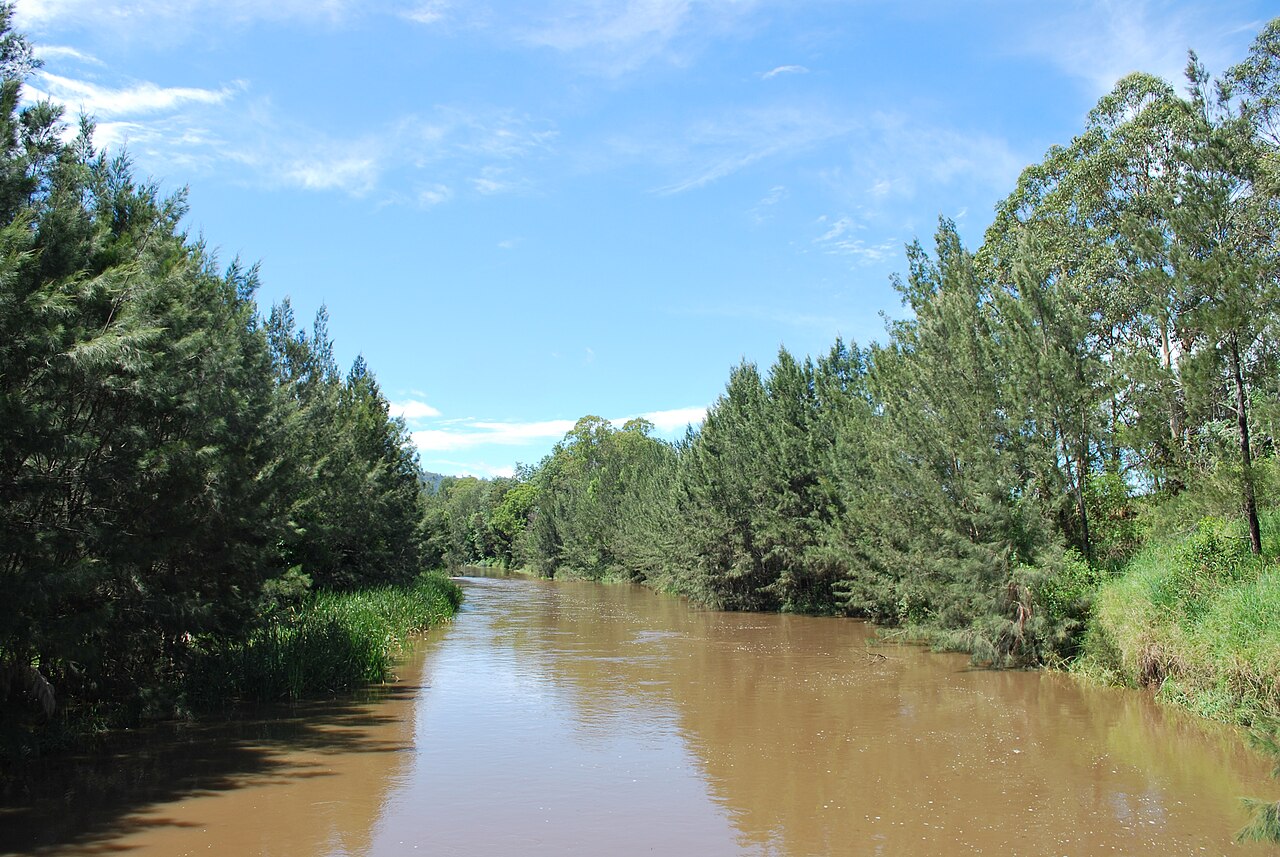
Hemanta has come to the land of Bengal as a bridge between autumn and winter. Golden paddy sways in the light breeze in field after field. On the green noons of Kartik, farming men and women weave dreams as they look over their crops. Schoolgirls walk with dew-wet feet across the ridges of paddy fields, flocks of ducks play in the rivers, and rows of dinghies lie stretched out under the sky. A soft mist gradually covers the distant forested hills. Bengal, washed by the waves of the Jalangi, welcomes Hemanta, the fourth season, with such varied scenes, and through them nature also gives notice of the coming winter.
Today is 1 Kartik 1428 in the Bengali calendar, the first day of Hemanta. Hemanta brings a wonderful absorption and romance to life and nature. The season of Nabanna, the new-rice festival, has been captured in many dimensions and forms in the work of poets and artists in Bengali literature, and praise of Hemanta holds a special place in Bengali poetry. Jibanananda Das, the poet of "Timir Hanan", saw surrealism as the essence of life and poetry, and expressed again and again his longing to return to this green, tender land of Bengal as a shankhachil (kite), a myna or a morning crow.
Hemanta in Bengali poetry
He wrote of this absorption in his poem "Pencha (Maather Galpa)", in lines that say: the first crop has gone home; in the fields of Hemanta only dew falls; in the breath of the river of Aghran the bamboo leaves, the dead grass and the stars of the sky grow cold; the moon pours out a fountain like ice; over the paddy fields a sharp, smoky fog gathers; the farmer has gone home and the earth drowses, yet someone's two eyes have no wish for sleep.
Picturing the paddy fields, the poet wrote with an unbroken feeling for Nabanna in his poem "Dhan Kata Hoye Gechhe": the paddy was cut long ago, and the fields are left with straw, leaves, broken eggs and a snake's cast skin; beyond all this, out in the field, a few familiar people are sleeping today, so deeply.
Hemanta also shines vividly in the poetry of Rabindranath Tagore. In his poem "Puraskar" he wrote that there is no rice to eat, only plenty of words; asking what child's play this is, day and night, he urges leaving Bharati, the goddess of learning, to worship Lakshmi, the goddess of plenty, while there is still time.
In this land of six seasons, the two months of Kartik and Agrahayan make up Hemanta. The sun's heat is now slowly easing and the days are growing shorter. In a few days winter will settle over the land. The Bengali tradition of Nabanna that surrounds this season, on the eve of winter, is fading day by day, and the traditional esteem for the Nabanna festival has also paled considerably. Yet, rising above all this, Hemanta has dressed in its fine beauty.
Kazi Nazrul Islam, the rebel poet, praised Hemanta in his poem "Aghraner Saogat", asking whether the season's tray has come laden with the earth's gifts; the month of Aghran is intoxicated with the scent of new paddy; the young wife, laughing, serves her husband plates of firni made from fragrant rice, her hands trembling with joy; the senior wife prepares shirni, and the house is spellbound by its aroma.
Kartik and Agrahayan
Kartik and Agrahayan, the first and second months of Hemanta, each have their own character. Hemanta bids farewell to autumn on one side and heralds winter on the other. Farmers' granaries are now nearly empty, which is why many call this month "mora Kartik", the lean Kartik. But when the harvest ends in Agrahayan, the granaries emptied in Kartik fill up again with golden paddy. The sweet smell of ripe paddy spreads through village life, and at night the sound of neighbours' wives husking rice with the dheki drifts in from afar.
Harvesting has already begun in some parts of the country; this is the season for cutting early aman paddy. In the north especially, harvesting and threshing are in full swing. By mid-Kartik the fields will be busy across the country, with a rush to bring the golden paddy home. Then, with the new rice, Nabanna will begin, along with the festival of pitha and puli rice cakes.
Source: Jagonews24. First published in Bengali on The Agro News.
Comments
(0)