
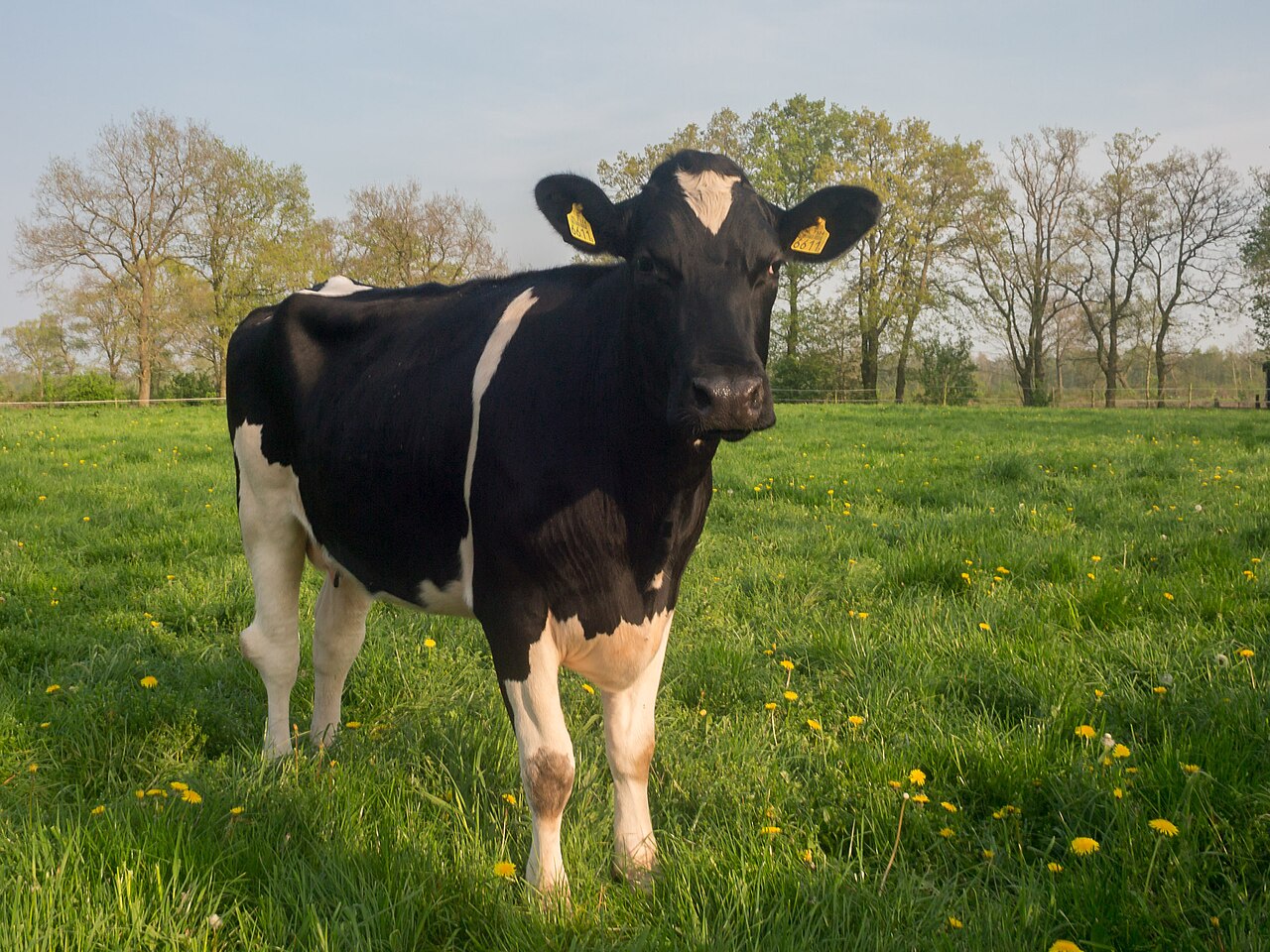
Dairy farmers heading towards winter housing should watch closely for mastitis in heifers, because a heifer that develops it in her first lactation tends to have poorer udder health and to be less profitable for the rest of her life, Agriland's livestock desk writes. Rearing a heifer already costs upwards of 1,800 euro.
Most farmers notice heifer mastitis only after calving, when the somatic cell count is abnormal, but most infections are subclinical before calving and turn clinical early in lactation. Checking heifers whenever they are handled allows early detection and prompt treatment, and also gets them used to the parlour; teat spraying in the weeks before calving can be considered.
Hygiene is central. Bedding is one of the most important factors: cubicles should be sized so dung does not gather at the back, cleaned regularly and topped up with fresh material such as hydrated lime.
Fly control matters, especially in mild weather, since flies play a part in summer mastitis even in animals that are not milking; pour-on or spot-on products are among the most effective measures. Where conditions are poor, internal teat sealants can act as a physical barrier in the teat canal.
At calving, a short interval to first milking reduces udder oedema, stress should be kept low, all quarters should be fully milked out in the first week and milking intervals kept consistent. Newborn replacement heifers should not be fed milk from cows that have had mastitis, to avoid passing pathogens to their developing udders. Treatments should be agreed with the herd's veterinarian.
The advice is by Cathal O'Shea for Agriland.
Photo: Baykedevries / Wikimedia Commons (CC BY-SA 3.0)
Source: Agriland

Comments
(0)