

After several days of rain across Bangladesh, the Bangladesh Meteorological Department (BMD) said in a heavy rainfall warning on Friday, 10 July 2026, that the rain could continue for at least one more day. Three days of heavy downpours had already caused flooding in the Chattogram region and a string of landslides in its hill districts.
Heavy rain warning for all eight divisions
Under the influence of an active monsoon, the warning said, heavy to very heavy rain could fall at places in Rangpur, Rajshahi, Mymensingh, Dhaka, Khulna, Barishal, Chattogram and Sylhet divisions in the 24 hours from 10am on 10 July. In the department's scale, 44 to 88 mm of rain in 24 hours counts as heavy, and more than 89 mm as very heavy.
The department warned that the rain could cause temporary waterlogging in parts of Dhaka and Chattogram cities and landslides at places in the hilly areas of Chattogram division.
Three days earlier, on 7 July, The Daily Star had reported BMD meteorologist AKM Nazmul Haque as saying the rain was expected to continue until 11 July. The Flood Forecasting and Warning Centre (FFWC) predicted short-term flooding over the following 24 to 72 hours in 14 districts, among them Bandarban, Cox's Bazar, Feni, Chattogram and Khagrachhari, and district administrations had 220 shelters ready in Bandarban and 204 in Rangamati.
Three days of rain take their toll in the Chattogram region
The Daily Star reported on 9 July that 23 people had died in rain-related incidents over three days, 13 of them Rohingyas, including nine children, killed in landslides in the Cox's Bazar refugee camps on 7 and 8 July. The English edition of Prothom Alo put the three-day toll from landslides and wall collapses at 22 the same day, including five girl students killed when a retaining wall collapsed at a women's Hifz madrasah in Camp 5, Ukhia.
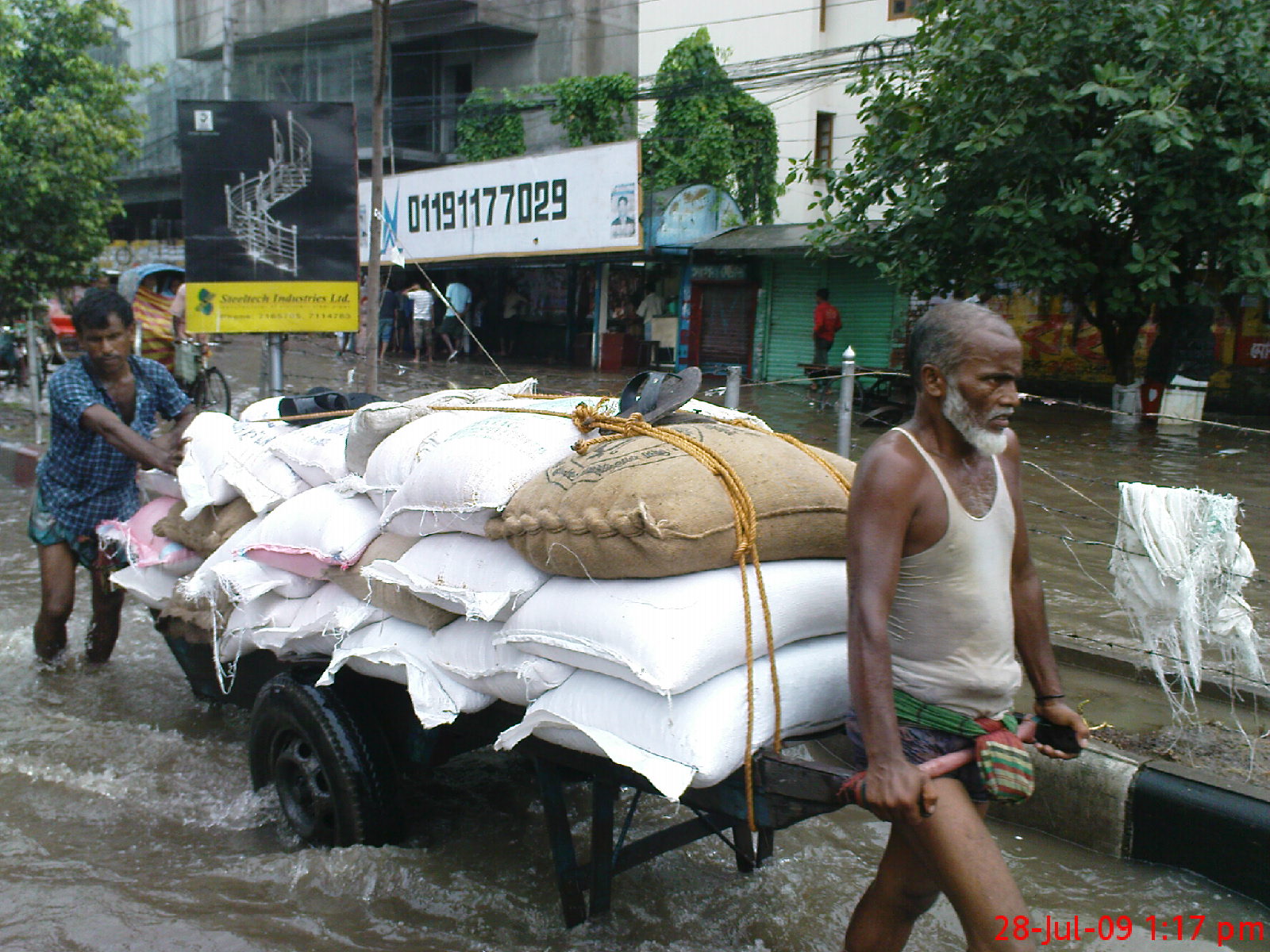
According to The Daily Star, the Ambagan station in Chattogram recorded 277 mm of rain in the 24 hours to 6pm on 8 July. Knee- to waist-deep water stood in Katalganj, Chawkbazar, Agrabad, Halishahar and other parts of the city, 16 unions in Anwara and Karnaphuli upazilas were flooded, and in Bandarban the Sangu was flowing 96 cm and the Matamuhuri 14 cm above their danger levels. Train services on the Chattogram to Cox's Bazar line were suspended. Biswajit Chowdhury, forecasting officer at the Chattogram Met Office, put the conditions down to an active monsoon and a low over the Bay of Bengal.

The monsoon and the Meteorological Department
Bangladesh's southwest monsoon usually begins in June and lasts through September, and it brings about 80 percent of the country's annual rainfall. Apart from the drier Rajshahi region, most of the country receives at least 2,300 mm of rain a year. The BMD, which works under the Ministry of Defence and is headquartered in Dhaka, runs the national network of surface and upper-air observatories, radar and satellite stations and agrometeorological observatories.
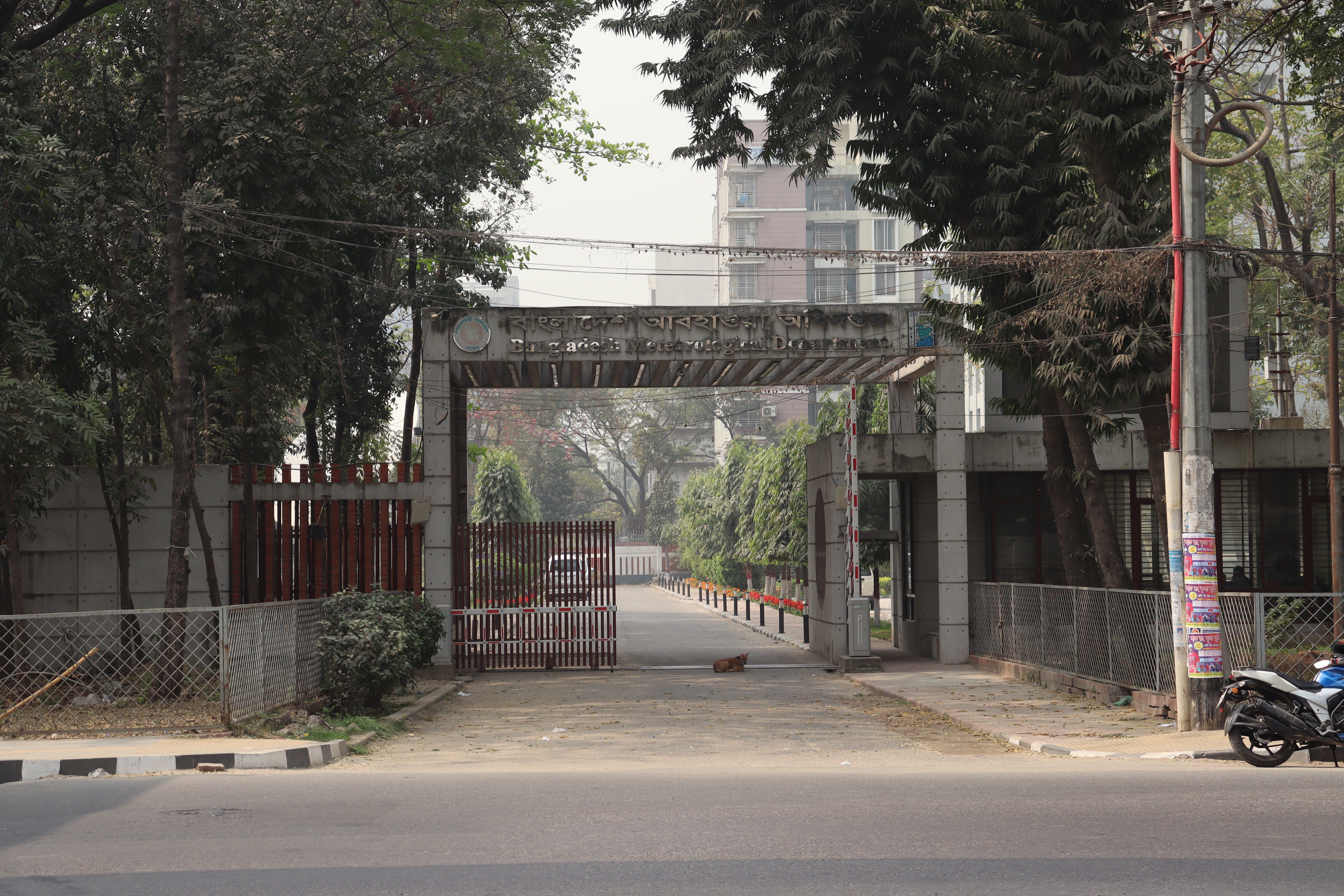
Photo: Press Information Department / Wikimedia Commons (Public domain)
Sources: Jagonews24, The Daily Star, Prothom Alo, Wikipedia

Comments
(0)