
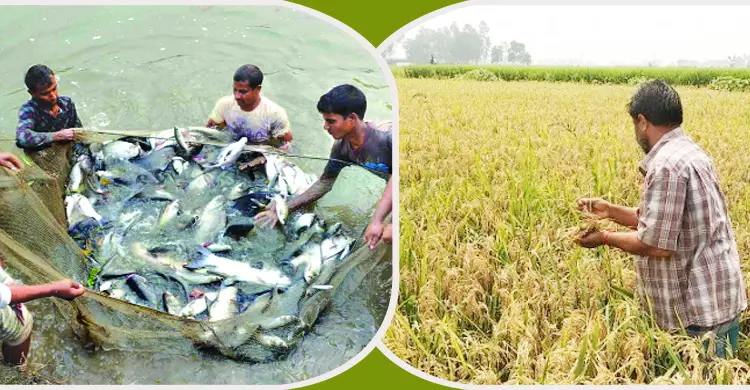
The country's agriculture sector faces disaster in the intense heatwave. Temperatures are rising day by day across the country: while more than 35 degrees is intolerable for paddy, the country is seeing 42 degrees Celsius, a major obstacle to overall paddy production and food security. Besides paddy, the extreme heat is damaging mango, jackfruit, litchi, cotton and other crops, and there are fears for maize and soybean production too.
This is the highest temperature of the season so far and the second highest in the past 58 years, intolerable for agriculture as a whole. The heat this year is unusual and the air's humidity is very low. Extreme drought and very high temperatures have raised fears that crop output could fall by 30 to 40 per cent. Agriculture experts have already said it is time to think about how to grow good crops in hostile weather. Meanwhile, urbanisation that has stripped trees and green cover has pushed up surface temperatures, and researchers believe climate change is also to blame for the heatwave. Unplanned filling and grabbing of ponds, canals, beels and other water bodies across the country has added to the effect of the heat.
According to the Bangladesh Meteorological Department, a mild to moderate heatwave is sweeping the country; it began on 10 April and there is no chance of rain during this period. The following steps can be taken to avoid possible crop losses.
Managing paddy
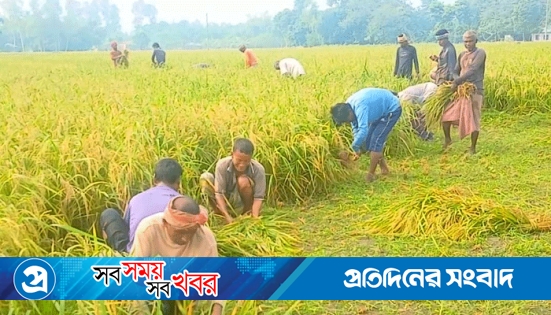
If Boro paddy is hit by heat shock or hot wind (35 degrees), the grain can turn to chaff. Keep 2–3 inches of water in the field from the booting stage to flowering. When the paddy is flowering, pollination takes place between seven and eleven o'clock, and no pesticide should be sprayed at that time. To stop the grain turning to chaff, MOP fertiliser can be sprayed at 100 grams in ten litres of water per 5 decimals. To protect against heatwave damage, the new climate-resilient, heat-tolerant varieties BRRI dhan89 and BRRI dhan92 can be grown.
Managing fruit crops
Water the base of mango, jackfruit and litchi trees adequately, every 7 to 10 days. If necessary, spray water on the branches, or use flood irrigation. This will reduce fruit drop and increase yields. To keep moisture in the soil, mulch can be spread around the base of trees after irrigation. When the base of trees, vegetable fields and garden beds are covered in a particular way with various materials, the covering is called mulch, and the method is called mulching.
Mulching is especially useful for conserving moisture in fields, because the water does not evaporate quickly in the sun's heat and wind. The soil does not dry out and much less irrigation is needed. Mulching can conserve about 10 to 25 per cent of the soil's moisture.
Managing vegetables
In fields of fruit and leafy vegetables, arrange two to three irrigations over the next week, depending on the soil type. Organic fertiliser holds more water, so apply organic fertiliser. Ensure mulching and irrigation to protect fruit and vegetable seedlings from heatwave damage, and seek the advice of the local agriculture office to limit crop losses from the ongoing heatwave.
Managing livestock
To help livestock tolerate heat stress, keep cattle and poultry sheds cool. Bathe cattle more than once a day or wet them by sprinkling water. Give cattle extra salt, vitamin C and glucose mixed in their water. During the heatwave, do not keep cattle shut indoors; keep them in the shade of trees or other natural shade. Give them tender green grass rather than dry straw, and reduce feed in extreme heat. Avoid deworming, vaccinating or transporting animals in intense heat. In any unexpected situation, contact the local livestock officer.
Protecting fish
- In shallower ponds, add new water to bring the depth to at least 5 feet, so the bottom water stays somewhat cooler and fish can shelter there.
- Shade the pond by building a trellis over the water on the southern bank and growing gourd-type plants on it.
- Water hyacinth or coconut leaves can be kept in a bamboo enclosure covering 10 per cent of the pond's area.
- During the sunniest hours, from noon to 3pm, supply water from a deep tube well to keep the water at least 5 feet deep or more.
- In the morning, 200–250 grams of salt or 100 grams of veterinary saline per decimal can be dissolved and spread over the pond.
- At night, run an aerator or blower (which creates a fountain or whirl in the water to help air's oxygen mix in quickly) to supply oxygen; otherwise spread oxygen tablets at 10 grams per decimal.
- Reduce feed until the pond water returns to a normal temperature, or stop feeding temporarily if necessary, and give small amounts in the morning and after dusk.
- Mix vitamin C into the feed (7–8 grams per kg of feed) until temperatures return to normal.
- Stop moving fish or fry during the day, or do it with great care.
Written by Samiran Biswas, lead agriculturist, Dhaka.
Source: Jagonews24. First published in Bengali on The Agro News.
Comments
(0)