
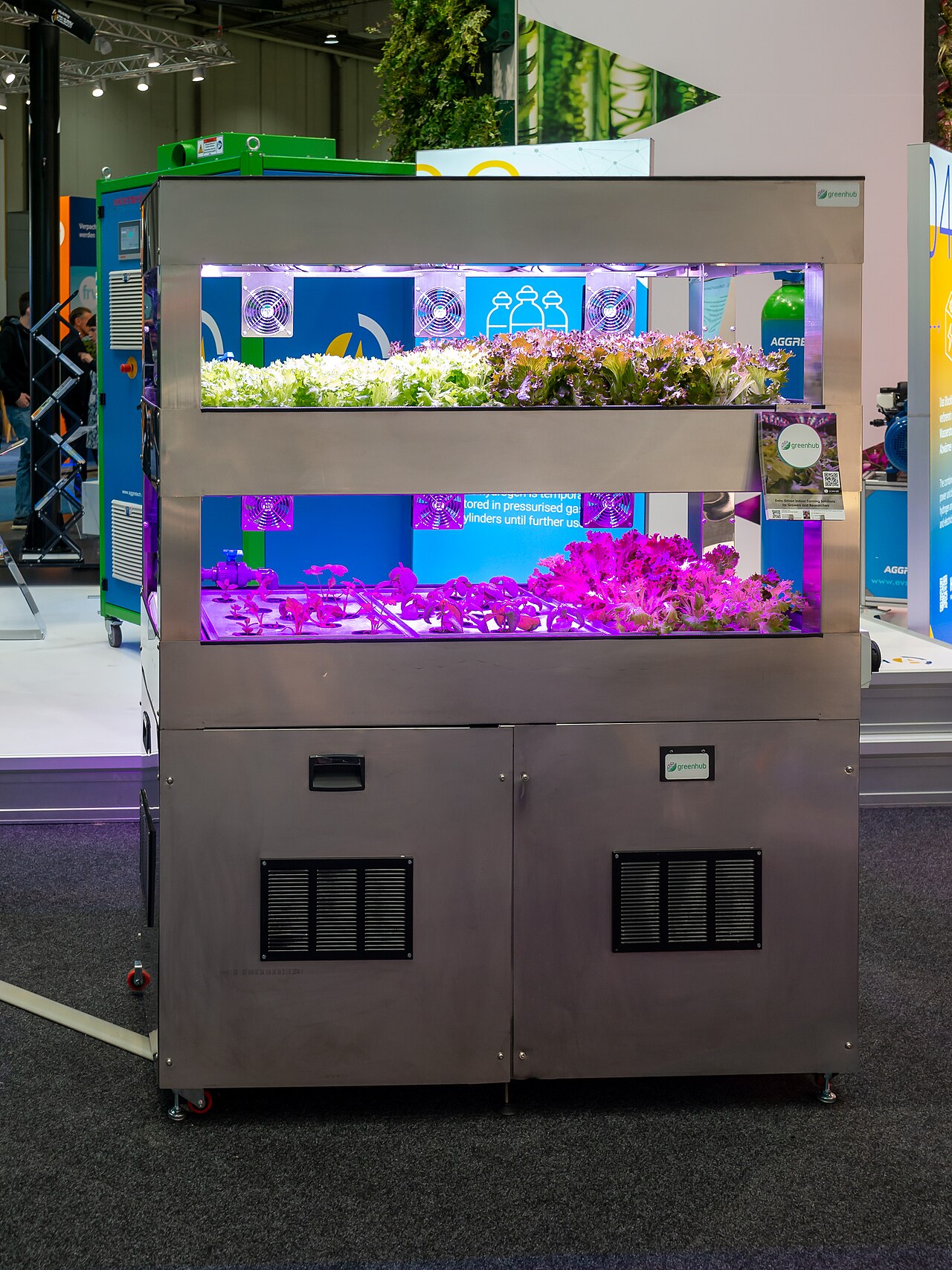
Canada's vertical farms have no pesticides registered for use in their growing systems, but that could change under a Health Canada proposal, the Manitoba Co-operator reports. The department is considering allowing certain non-conventional and microbial pesticides already approved for specific greenhouse uses to be used in vertical farms as well, provided they are registered for the same crop and pest.
The proposal, Regulatory Proposal PRO2026-03, was published on 9 September for a 45-day public comment period that closes on 24 October. Health Canada says it will weigh the feedback before finalising the policy.
It follows years of groundwork. In 2022 the department noted that no pesticides were registered for vertical farms and that there was not enough scientific information to judge how they could be used safely. In 2024 it asked outside experts how the facilities are built and run, what they grow and which pests they face, and it now says it has enough information to evaluate certain greenhouse products.
Vertical farms grow crops indoors, often without natural sunlight, in hydroponic, aeroponic or soil-based systems with plants stacked vertically. Only non-conventional and microbial products meeting the greenhouse registration requirements would qualify. Non-conventional pesticides generally have low toxicity, limited environmental persistence or a history of safe use; Health Canada's examples include garlic powder, table salt, citric acid, plant oils, acetic acid and diatomaceous earth. Microbial pesticides use bacteria, fungi, algae or viruses to control pests.
Manufacturers would have to update their labels first, and farms would follow existing greenhouse directions plus extra requirements such as ventilation; for commercial and restricted-class products, the label would prohibit use in a vertical farm whose ventilation connects to public or residential areas. Predatory insects and mites used as biological controls are not covered, and conventional pesticides would still need the full registration process.
Photo: Matti Blume / Wikimedia Commons (CC BY-SA 4.0)
Source: Manitoba Co-operator

Comments
(0)