
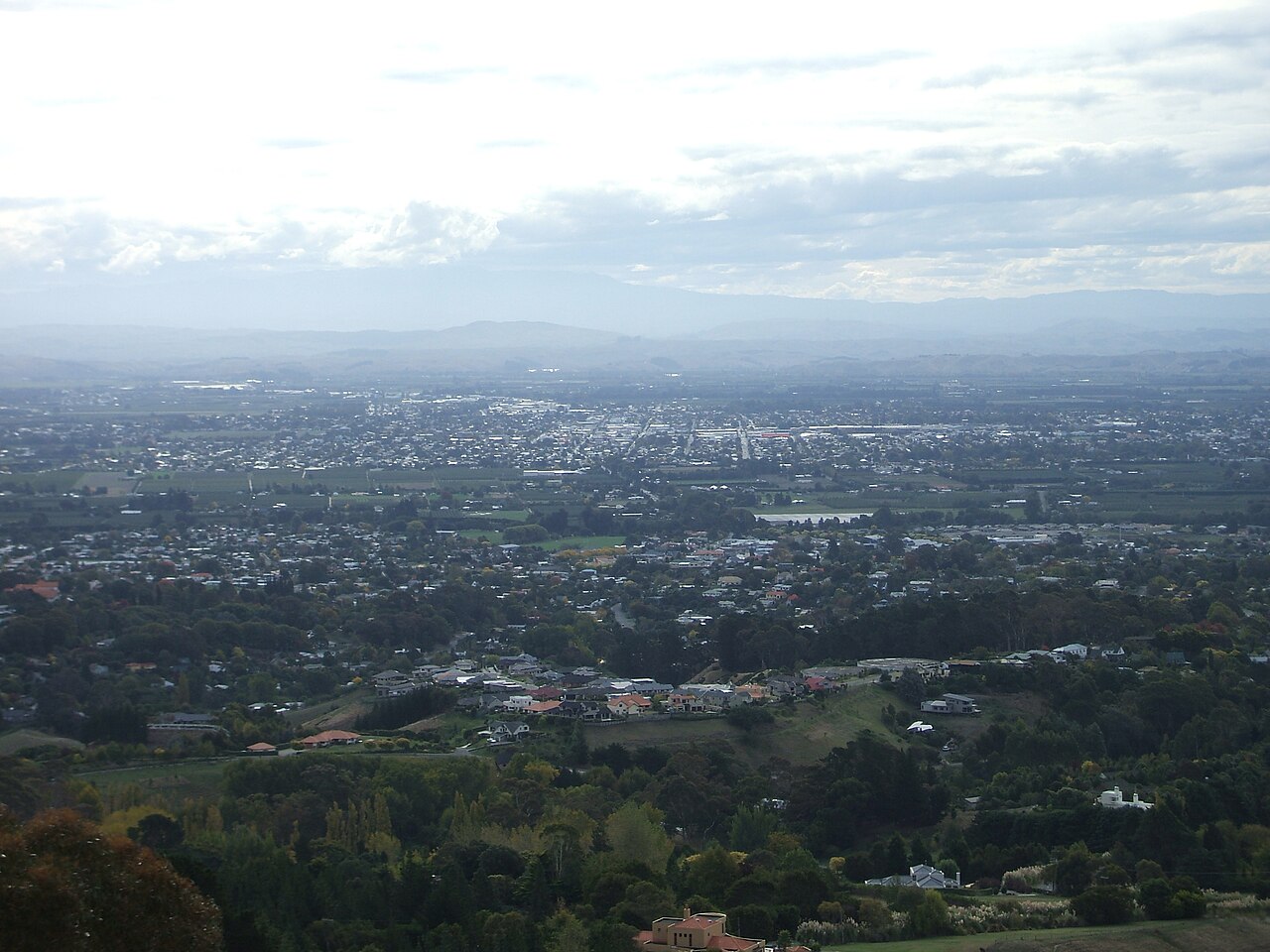
Growers on New Zealand's Heretaunga Plains in Hawke's Bay say a plan to cut water allocations from the region's depleted aquifer would make many businesses unviable, while the regional council insists the resource must be protected, Farmers Weekly NZ reports in the second part of a special report.
The Heretaunga aquifer was long thought to be plentiful, even unlimited. "There is 160 million cubic metres allocated and it was given on the basis there was more than enough water. We now know that is not the case," said Hawke's Bay Regional Council chair Sophie Siers. The council's TANK Plan Change would cut allocation to 90 million cubic metres, based on actual use; in some years as little as 30 to 40 million cubic metres has been used. Growers' modelling puts the worst-case cost to the local economy at $4 billion.
The plan, covering the Tūtaekurī, Ahuriri, Ngaruroro and Karamū catchments, has been under appeal in the Environment Court, with 16 appellants, and the council has asked for proceedings to pause while the Resource Management Act is reformed. Consents are on hold and existing rights have been rolled over, so no one can currently apply for water. Of about 1,000 consent holders, 100 have accepted the new allocation offered, said the council's policy and regulation manager Katrina Brunton.
The uncertainty is holding back investment. Land on the Plains has been worth around $150,000 a hectare with water and as little as $75,000 without it, and Siers said banks will not lend without water security.
The council's regional water plan also includes natural and managed aquifer recharge, including a project with industry on the Ngaruroro, fixing leaks in town pipes and recycling wastewater. A storage project at a potential site at Whanawhana is at the feasibility stage under a partnership of council, growers, industry and iwi. Siers pointed to Twyford orchardists who pool their allocations, and to trials of below-ground drip irrigation to cut evaporation. "Land is only as productive as the water available to it," she said, adding that the aquifer is still in good condition, with no nitrate problem or saltwater intrusion.
Photo: Citikiwi / Wikimedia Commons (public domain)
Source: Farmers Weekly NZ
Comments
(0)