
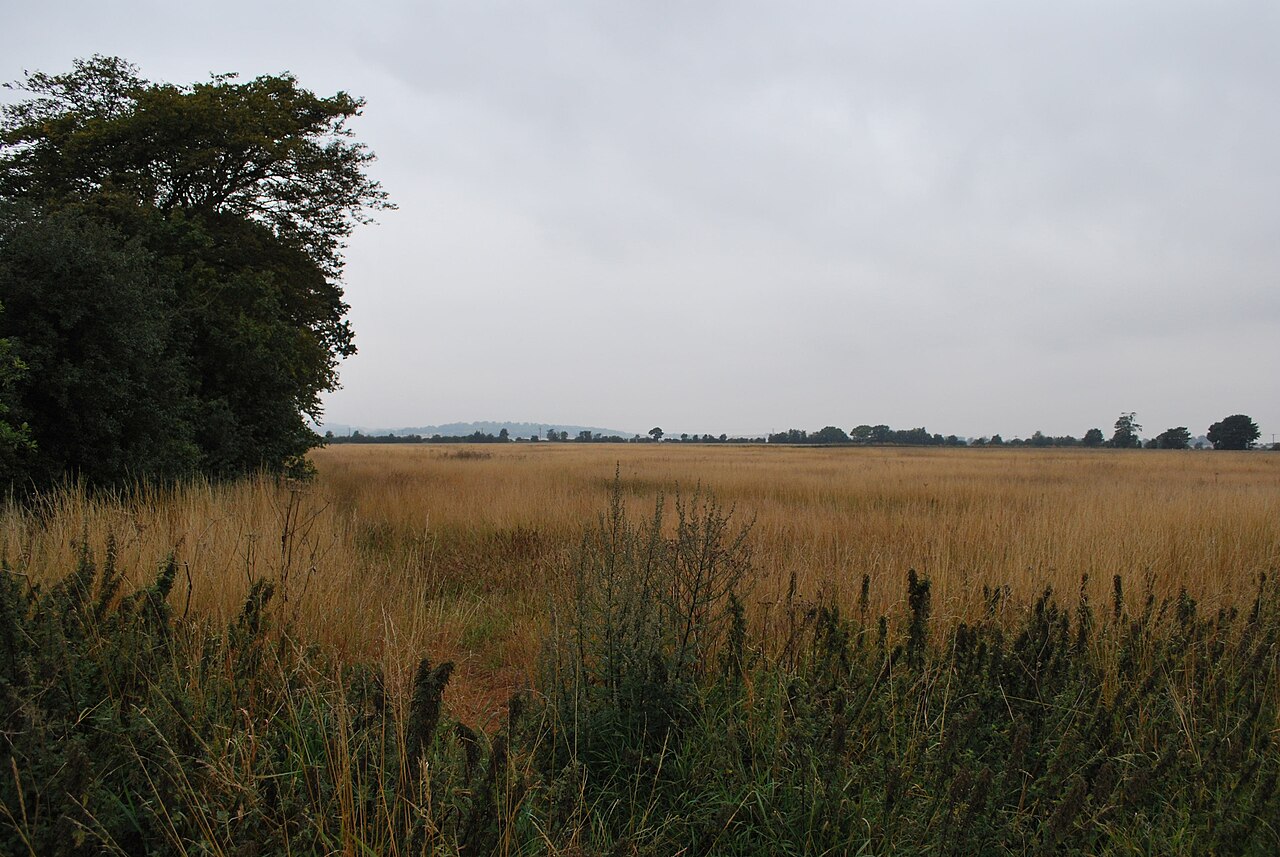
The Game & Wildlife Conservation Trust (GWCT) has published a report arguing that the work done on farms and estates for released pheasants and partridges brings substantial gains for other farmland wildlife.
The report, Game for Nature: Why released gamebird management is a lifeline for farmland biodiversity, gathers research the trust has carried out over the past 25 years. It comes as Defra runs a call for evidence on the environmental, animal health and welfare effects of rearing, releasing and shooting gamebirds in England.
According to the trust, the management that goes with released gamebirds — keeping hedgerows and woodland, planting game crops and putting out winter feed — also provides habitat and food for other species. At the GWCT's Allerton Project demonstration farm, the number of breeding songbirds more than doubled under gamebird management.
Other studies cited in the report found 15 times more butterflies, 40 times more bumblebees and 90% more weed species in summer game crops than in the arable crops next to them. A separate study of winter game crops recorded up to 100 times as many songbirds per hectare, and estates with released-gamebird management had up to 65% more hedgerow per square kilometre.
The trust accepts that releasing gamebirds can harm the environment, particularly around release pens and feeding sites, but says the damage can be reduced by following best-practice guidelines.
"Gamekeepers don't simply release pheasants and partridges into the countryside and walk away," said GWCT chief executive Nick von Westenholz, adding that the woodland, hedgerow, winter-feeding and predator-control work that follows "has been scientifically proven to benefit wildlife". Dr Roger Draycott, the trust's director of advisory, said releasing is sometimes blamed for more foxes, fewer insects or the spread of avian influenza, "but there is little evidence for this".
Defra's call for evidence is open until 1 November and covers England only; gamebird policy is devolved in Scotland. The report was written by Kate Fisher.
Photo: Martin / Wikimedia Commons (CC BY-SA 2.0)
Source: The Scottish Farmer
Comments
(0)