
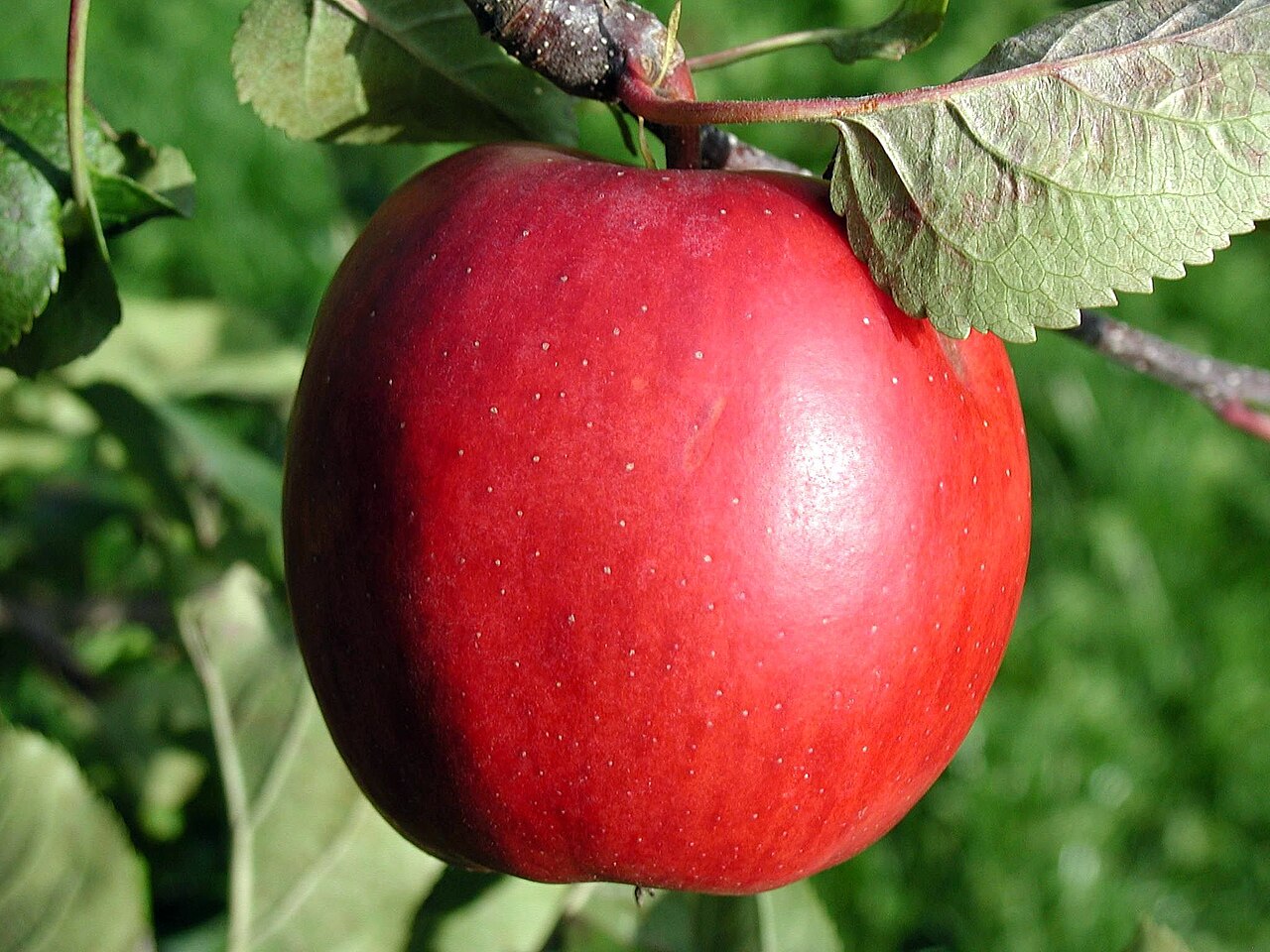
Wind and age destroyed columnist Connie Sieh Groop's most productive apple tree in Frederick, South Dakota, and a late frost killed this year's blossoms on the young Haralson Red trees she planted to replace it. In her Fall Homeland column for The Fence Post she set out what it takes to grow apples where winters are hard.
Hardy apples are a pioneer achievement in the northern Plains. Minnesota gardening author Mary Schier told a Master Gardener session that settlers' seedlings from Europe struggled, until growers such as John Harris and Peter Gideon grafted trees able to survive 20 and 30 degrees below zero; the Haralson, introduced in 1923, became a prized pie apple that keeps up to four months.
Aaron Kiesz, city forester in Aberdeen, South Dakota, advises first checking that a tree suits the local USDA Plant Hardiness Zone (Aberdeen's area is 4a, Sioux Falls 5a) and buying locally grown stock. Even in the right zone, frost remains the biggest and least predictable threat. Dwarf trees do poorly in the region; semi-dwarf trees grow to about 15 feet and are easier to prune and pick, while standard trees reach 20 to 25 feet, are hardiest, and may take five years to bear.
He warns against planting too deep, recommends compost in the hole and two to three inches of mulch, staking in windy open ground so roots do not snap, and about five gallons of water twice a week in the first year. Common problems include fire blight, a bacterial disease best tackled early by cutting out infected wood; apple scab and cedar apple rust, both fungal; codling moth, sprayed after the first moth flight when most petals have fallen; and apple maggot, detected with sticky red balls hung in the tree.
Kiesz has planted nearly 100 labelled fruit trees in the Aberdeen Arboretum so residents can see which varieties are best for eating, baking or pollinating. "The best time to plant a tree was 20 years ago," the column ends. "The second-best time is now."
Photo: Paolo Neo / Wikimedia Commons (public domain)
Source: The Fence Post

Comments
(0)