
Google DeepMind is applying the artificial intelligence behind AlphaFold to crop disease, plant immunity and the pace of scientific discovery, its director Ramine Tinati told the Asia-Pacific Agri-Food Innovation Summit 2026 in Singapore, FoodNavigator's Jess Spiring reported.
AlphaFold predicts the three-dimensional shape of proteins by computation, work that once took scientists months or years per protein; its database now holds predictions for hundreds of millions of structures. "We're using it to create more disease-resistant crops," Tinati said, referring to work by researchers at the Sainsbury Laboratory in the UK on plants with stronger immunity.
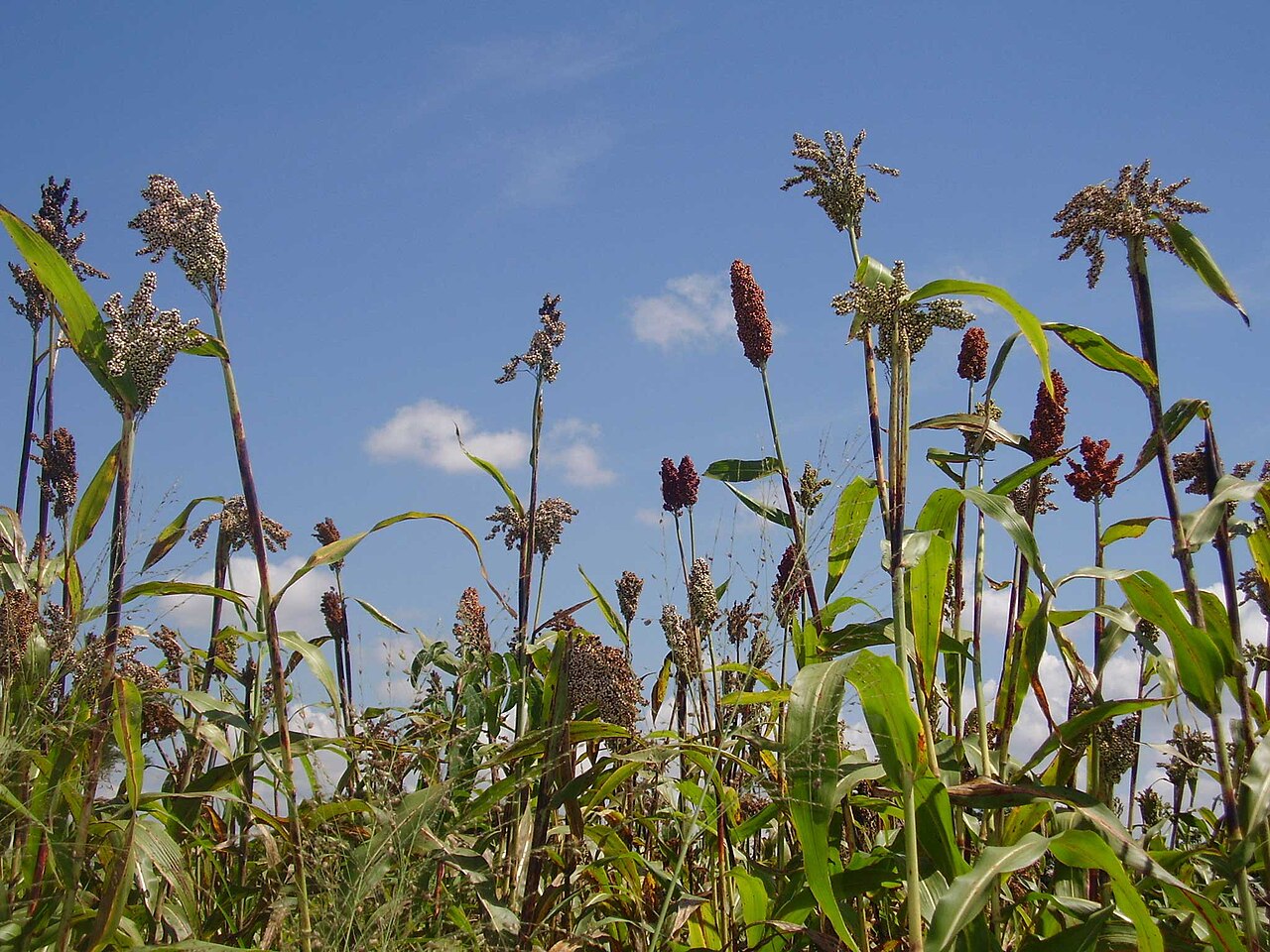
DeepMind is also using its AlphaGenome tools, which read how changes in DNA affect biological function, on sorghum, a major food and feed crop, to map varieties that may stand up better to external conditions. The resulting atlas is open to researchers. "We're making that available for public good," Tinati said.
In the field, DeepMind has worked with smallholder farmers and soil scientists in India on combining limited farm-level data with soil, weather and climate information, so a farmer can decide what to sow, when to harvest and when to rest a plot. Tinati said the programme, begun in India, is now being scaled to 11 countries.
The longer-term work is an AI "co-scientist" that helps researchers explore thousands of experimental options before committing to the laboratory, and a "virtual cell" that would let more biology experiments be run by computation. "It's about augmentation. It's not about replacing the scientist," Tinati said.
For breeders, faster protein and genome analysis could shorten the road to varieties that resist disease and cope with less predictable weather, which Tinati named as the pressure behind the work.
Photo: Ezeu / Wikimedia Commons (CC BY-SA 3.0)
Source: FoodNavigator

Comments
(0)