
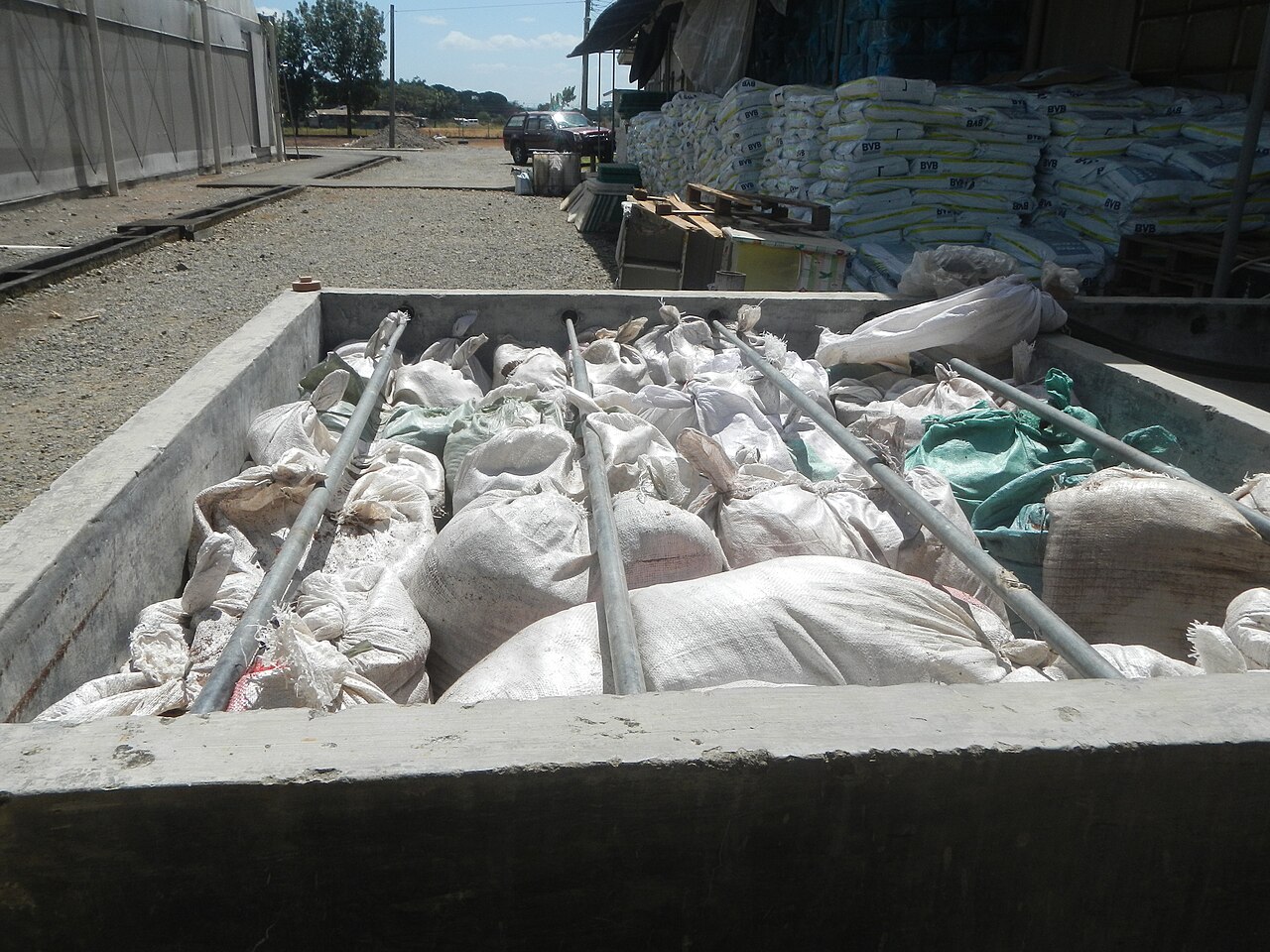
On the chars of Raipura in Narsingdi, vegetable seedlings are being raised in cocopeat, powdered coconut husk, instead of soil. Tomato, chilli, aubergine and papaya seedlings grown in plastic trays are in demand beyond the local market.
The problem it solves: agriculture officials say sterile cocopeat in place of soil lowers the risk of soil-borne disease. Raipura upazila agriculture officer Md Mostafizur Rahman says the method produces seedlings relatively safe from harmful soil nematodes and fungi, and makes it possible to raise healthy seedlings even in bad weather.
How it works: sub-assistant agriculture officer Md Al Amin Mia says seedlings grow well in cocopeat when moisture is controlled and nutrients balanced. Because the roots stay intact when a seedling is lifted from its tray, it is less likely to stall after transplanting.
Who is doing it: farmer Awlad Hossain has raised seedlings this way for two years in a poly-shed of about 400 square metres in remote Bashgari union, a commercial nursery set up under the modern agricultural technology extension project. Farmers now come from far afield to buy from him.
Awlad Hossain says many people doubted the method at first, but word spread quickly once farmers using his seedlings got good harvests, and his sales have grown. Growers say the seedlings are good quality for a relatively low price.
The report was filed by Krishi Shomoy's Narsingdi correspondent.
Photo: vegetable seedlings raised in trays of coconut-fibre medium, Judgefloro / Wikimedia Commons (CC0)
Source: Krishi Shomoy

Comments
(0)