
Scientists at KTH Royal Institute of Technology in Sweden have identified genetic changes that could make photosynthesis more efficient, work that may one day help breeders raise crop productivity and resilience to climate change, Seed World Europe reported.
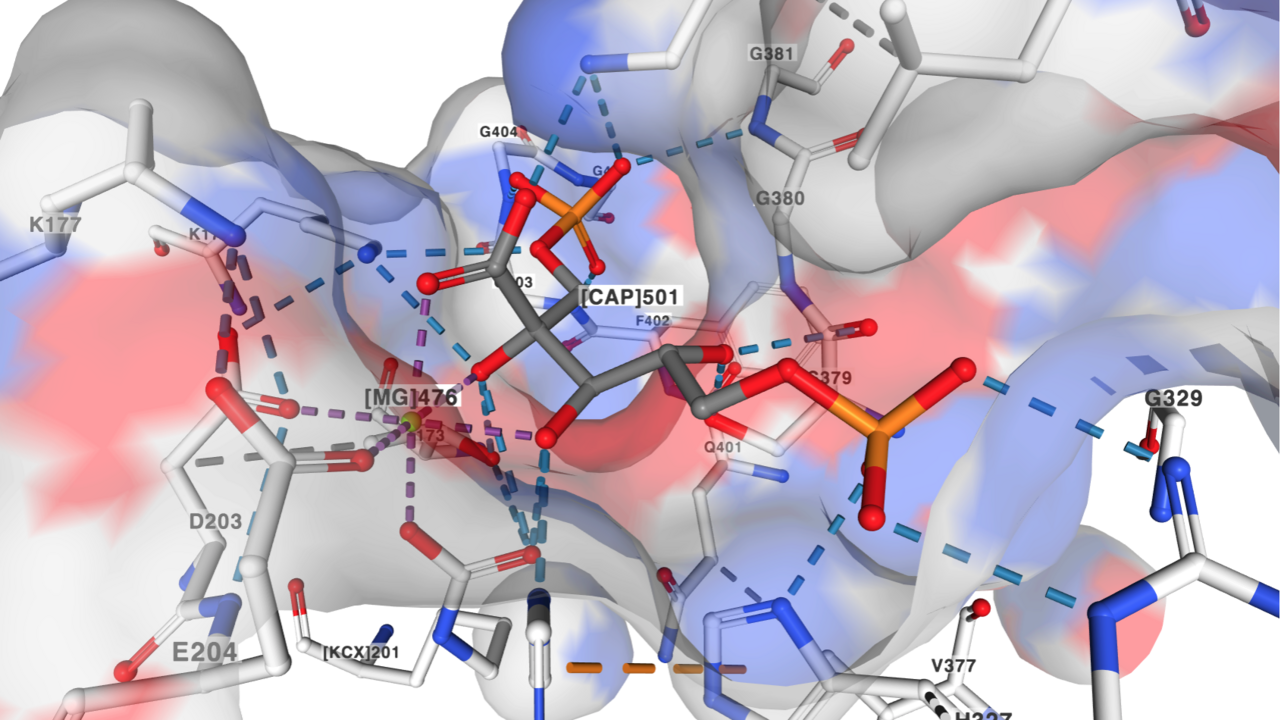
The research centres on Rubisco, the enzyme plants use to capture carbon dioxide and turn it into the material they grow from. Rubisco is essential but inefficient: it sometimes reacts with oxygen instead of carbon dioxide, which forces the plant to spend energy that could have gone into growth.
The team built and tested about 15,000 modified versions of bacterial Rubisco, chosen because its simpler structure makes large numbers of variants easier to test than the plant enzyme. Using a high-throughput screening platform, they tracked how single and combined mutations affected the enzyme and the growth of photosynthetic bacteria.
Several variants reduced the unwanted reaction with oxygen while still processing carbon dioxide at useful rates. The two leading variants both came with trade-offs in overall efficiency.
The study also showed how hard the problem is: mutations that worked well on their own often lost their benefit when combined, and computer models struggled to predict those interactions.
The researchers stress that higher crop yields have not been demonstrated. They are now testing further changes and moving promising candidates into plant cells. The findings were published in Science Advances.
Photo: Littlebird9 / Wikimedia Commons (CC BY-SA 4.0)
Source: Seed World Europe




Comments
(0)