
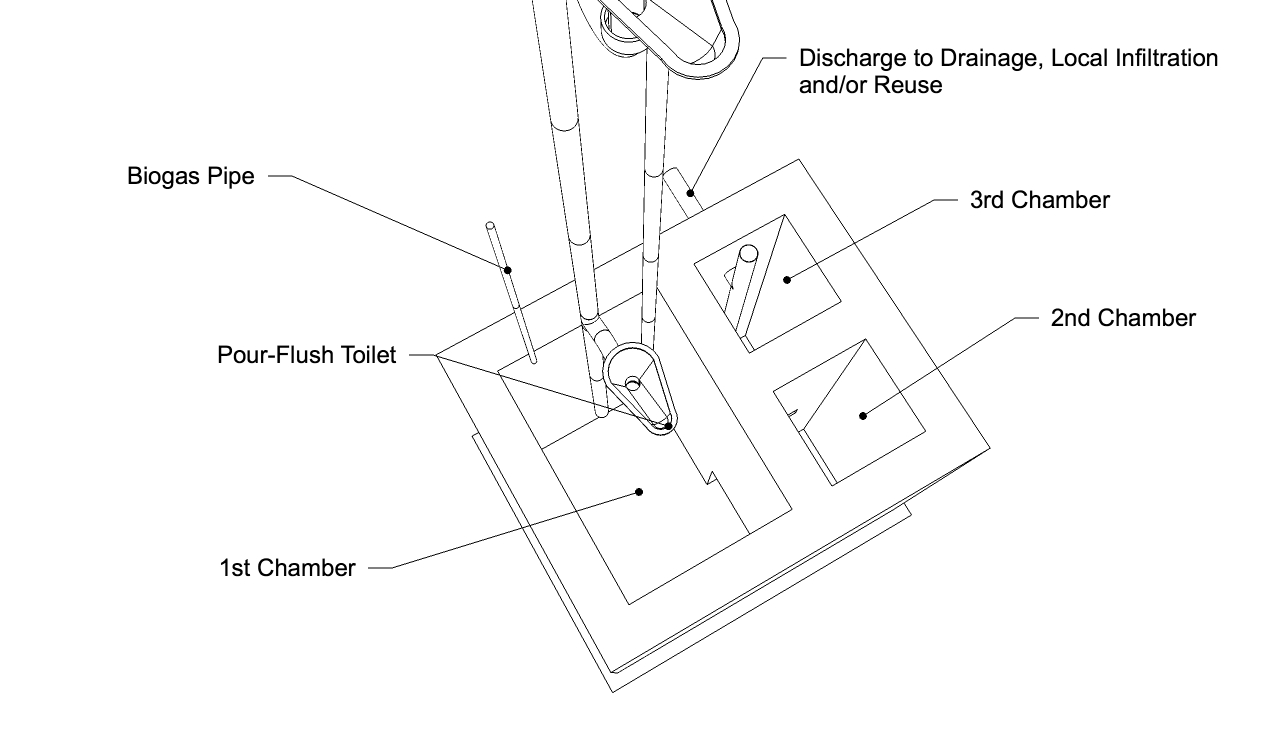
India's Union Ministry of Petroleum and Natural Gas launched the GOBARdhan scheme, a Unified GOBARdhan Portal and a GOBARdhan Handbook on 1 October, bringing compressed biogas (CBG) producers, farmers, state governments, city gas distributors and lenders under one framework. CBG is made from crop residues, animal dung and municipal and industrial organic waste, and the government wants it to cut gas imports: of about 71,000 million standard cubic metres of natural gas used in 2024-25, around half was imported at a cost of about $14.9 billion.
Down To Earth's analysis describes the scheme as less a subsidy programme than an attempt to build an ecosystem, one that helps farmers move from "anna data" (food provider) to "urja data" (energy provider). Registration on the portal is mandatory, and plants must install SCADA monitoring, online gas chromatographs and automatic shut-off systems so that quality and output data reach the portal.
Support is linked to production. Capital assistance is Rs 1.25 crore per tonne per day of capacity, plus up to Rs 0.75 crore per tonne per day for feedstock collection and manure machinery, capped at Rs 30 crore a project. The final 50 percent of that aid is paid in full only when a plant runs at 75 percent of capacity, pro rata between 50 and 75 percent, and not at all below 50 percent. The administered CBG price is Rs 2,110 per MMBtu until 31 March 2036. A Rs 500 crore challenge fund will reward the best-performing districts, scored partly on feedstock mapping and on the use of organic manure from CBG plants.
Sales are now binding. A three-way agreement between the producer, the gas distributor and GAIL obliges distributors, from the second year, to take at least 90 percent of the nominated quantity and producers to supply at least 50 percent of the contracted quantity, with penalties on both sides. Distributors face CBG blending obligations of 3, 4 and 5 percent, and pipeline links to plants get 50 percent support.
The analysis, set against the Centre for Science and Environment's studies of Punjab, Haryana, Gujarat and Uttar Pradesh, finds gaps that matter to farmers. Crop residue is seasonal and its collection, transport and storage are fragmented, yet there is no detailed framework for long-term feedstock contracts, prices or storage; that is left to the states. Nor is there a market-creation mechanism for the fermented organic manure the plants produce, despite poor farmer awareness and weak market links. CSE had proposed at least 1,000 working waste-based plants by 2030 running above 75 percent of capacity.
For farmers, the scheme opens a paid outlet for paddy straw and dung and a source of organic manure, but whether that income arrives depends on states building real supply chains and on gas buyers lifting what they have contracted.
Photo: SuSanA Secretariat / Wikimedia Commons (CC BY 2.0)
Source: Down To Earth

Comments
(0)