
Five startups from South Korea, India, Taiwan and Australia have been shortlisted for this year's Global Food Tech Awards in the Asia-Pacific (APAC) region, run by FoodNavigator with the Asia-Pacific Agri-Food Innovation Summit. Entrants must be under five years old with fewer than 20 employees, and the winner will be named at the summit in Singapore on 27 to 29 October.
South Korea's FutureSense has built Food4Chain, a blockchain-based traceability platform that follows products at lot level, using Internet of Things data, from the farm through manufacturing and distribution. AI analytics then show where food is lost and put a figure on the waste, usage and cost in real time.
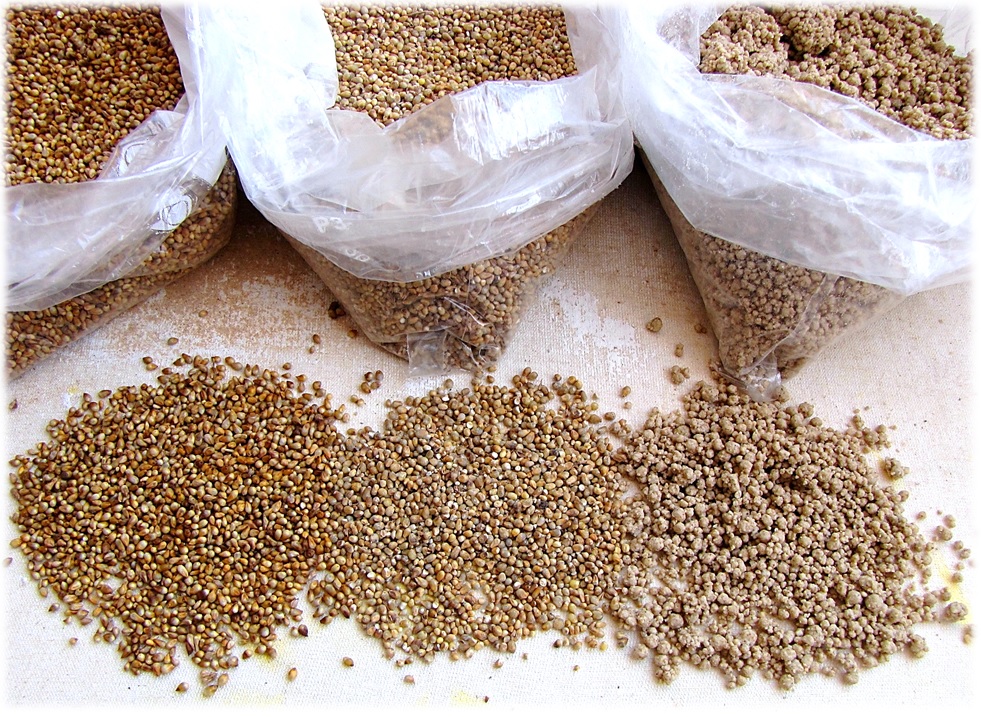
India's MileWise Innovations has developed a sprouted millet flour designed to be low-glycaemic, high in protein and gluten-free while behaving like wheat flour in baking. It is aimed mainly at food manufacturers who want to reformulate staple products with millet, and the company has launched its own Boost Bun, with 18g of protein a serving. A second Indian entrant, The Misfits, buys produce rejected for cosmetic reasons and turns it into spreads, snacks and relishes, building supply chains around fruit and vegetables that would otherwise be wasted.
Taiwan's Oxperial BioHealth combines a low-temperature extraction process with a patented formulation platform for plant-based functional ingredients and already sells its first product, PropoLight, in Taiwan. Australia's Produxiom Systems offers a cloud platform that uses AI to check product specifications, labels and packaging against food regulations, drawing on the know-how of the Australian food law consultancy FoodLegal.
The judges looked at innovation, real-world impact, commercial potential, sustainability and scale. Tomi Haryadi of the World Resources Institute said he wanted technologies that are "realistic", widely applicable and low-cost enough for different communities, and named food loss as a growing priority. Cyril Ebersweiler of the venture firm SOSV said founders who know their sector from the inside often understand both the problem and the opportunity best.
Photo: T.K. Naliaka / Wikimedia Commons (CC BY-SA 4.0)
Source: FoodNavigator



Comments
(0)