
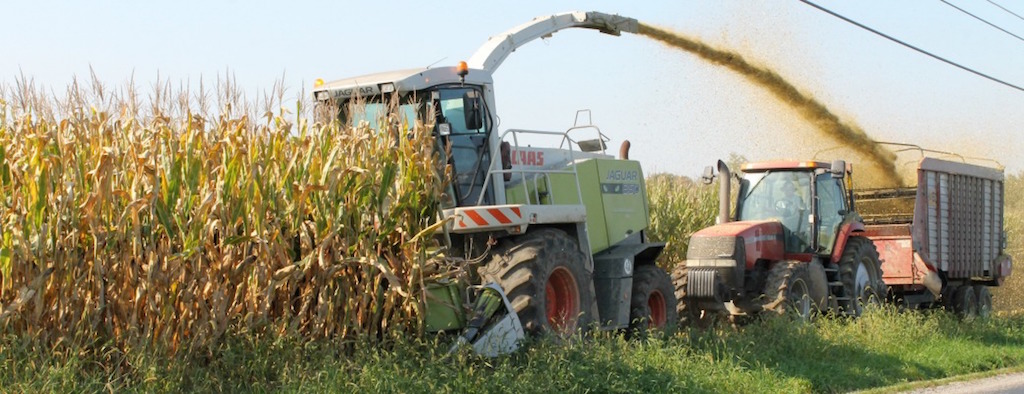
Reports of Gibberella ear rot from around Ohio during silage harvest are the first sign that this year's corn silage may carry the mycotoxins deoxynivalenol (DON) and zearalenone (ZEA), writes Jason Hartschuh, a dairy-management and precision-livestock field specialist at Ohio State University Extension, in Farm and Dairy.
Ear rot means at least low levels are likely, but not how high they are, so he advises sampling now and again at feed-out. DON can change during the first 60 days of fermentation, especially the first 30; the fungus may keep producing it, and a masked, less toxic form (DON-3-glucoside) can revert to DON during fermentation or digestion. Oxygen exclusion and high packing density limit the increase.
Safe limits are hard to set because mycotoxins usually occur together. Canada regulates DON for lactating dairy cows at 1 ppm, while the US and Europe recommend diets below 5 ppm. DON often does not cut milk volume but can lower milk protein, cheese yield and fibre digestibility, reduce rumen pH, alter rumen microbes, damage the gut and raise somatic cell counts.
ZEA mimics oestrogen and poses the bigger threat to reproduction; diets as low as 0.3 mg/kg have lowered egg quality in heifers. Rumen acidosis changes how both toxins are broken down: at a healthy pH of 6.8 most DON in dry cows was converted to the less toxic DOM-1 within 24 hours, against about 30% at pH 5.8.
Organoclays bind DON and ZEA poorly, Hartschuh notes, though organic clay fed with green-seaweed cell walls can reduce ZEA exposure. DON is best managed with products that support gut health and its conversion to DOM-1, alongside antioxidants and feeding strategies that reduce inflammation. The best time to limit mycotoxins, he adds, is at hybrid selection.
Source: Farm and Dairy

Comments
(0)