
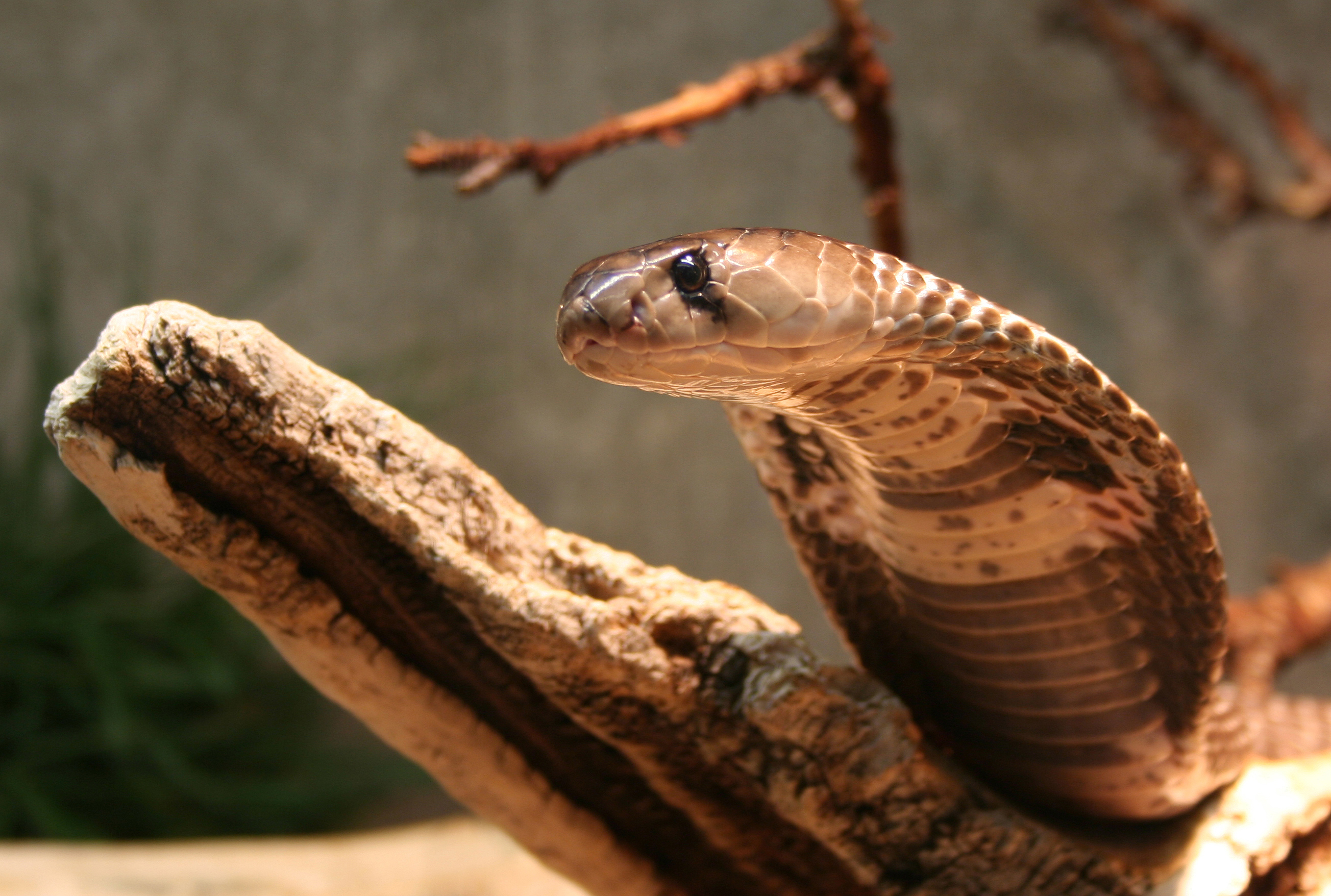
A 28-year-old man, Shamim Hossain, who was bitten by a snake in his sleep in Gangni upazila of Meherpur, died under treatment at Gangni Upazila Health Complex on the morning of 5 November 2025. After the bite his family first took him to a local ojha, a traditional faith healer. The hospital's doctor said the patient had reached hospital very late.
Bitten at 2am, in hospital by morning
According to Jagonews24, Shamim Hossain was the son of Haran Ali of Karamdi Mathpara village in the upazila. At around 2am on the night of Tuesday 4 November, a venomous snake bit him on a finger as he slept in his room. He woke and told his family, who quickly took him to a local ojha. There he was given incantations and "blessed water" to drink. When his condition worsened he was taken in the morning to Gangni Upazila Health Complex, where he died while under treatment.
His father, Haran Ali, said: "When the snake bit my son on the finger, he came out of the room and told us to tie his hand. Then we took him to the ojha that night. A cobra had bitten him but there was no venom. Later, when my son became more ill, we took him to hospital. Once there, he could not be saved."
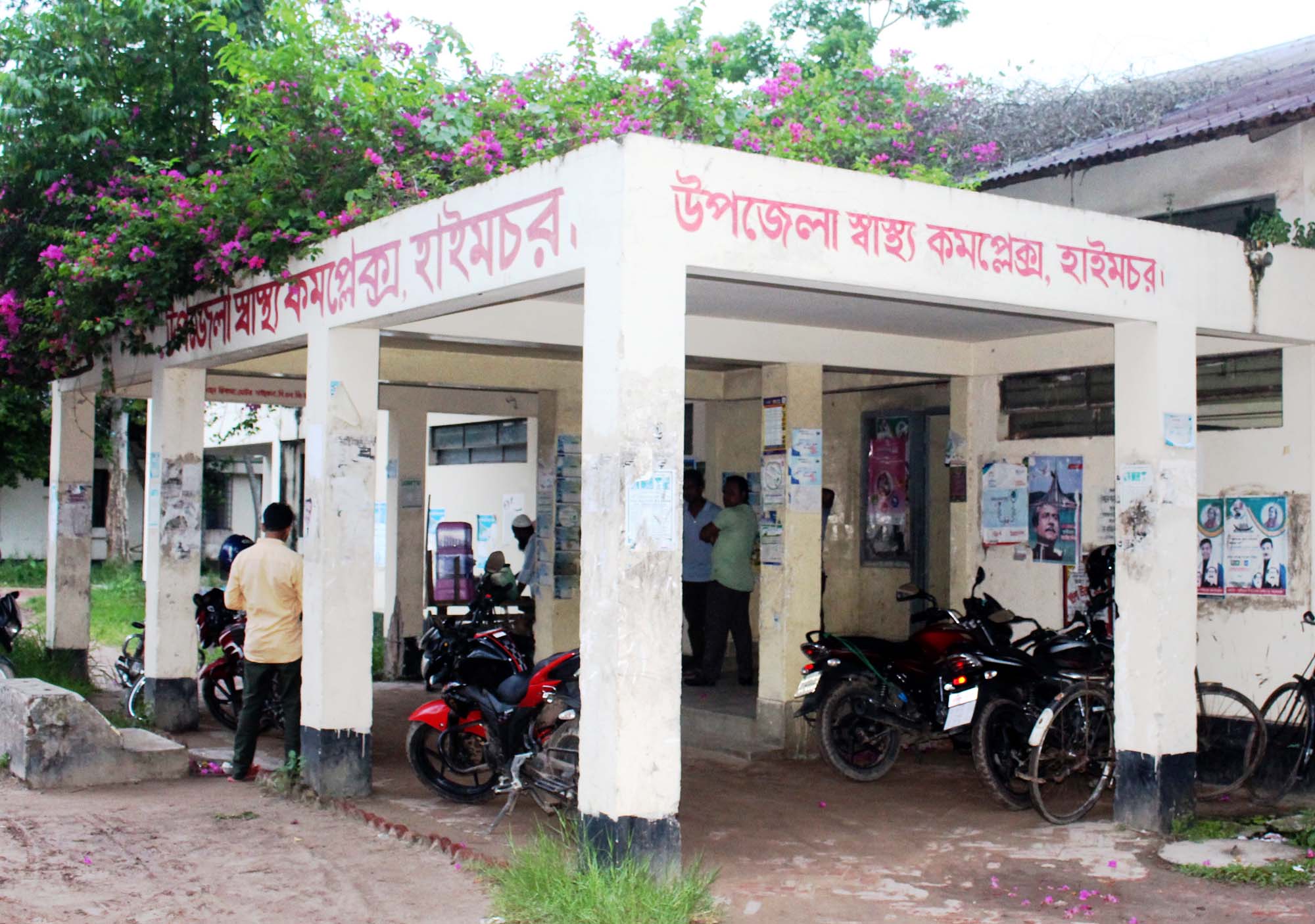
Dr Abdullah Aziz, Gangni's upazila health and family planning officer, said: "In the morning a snakebite patient named Shamim Hossain came to the hospital. We treated him, but he came to hospital very late. As a result, he died while under treatment."
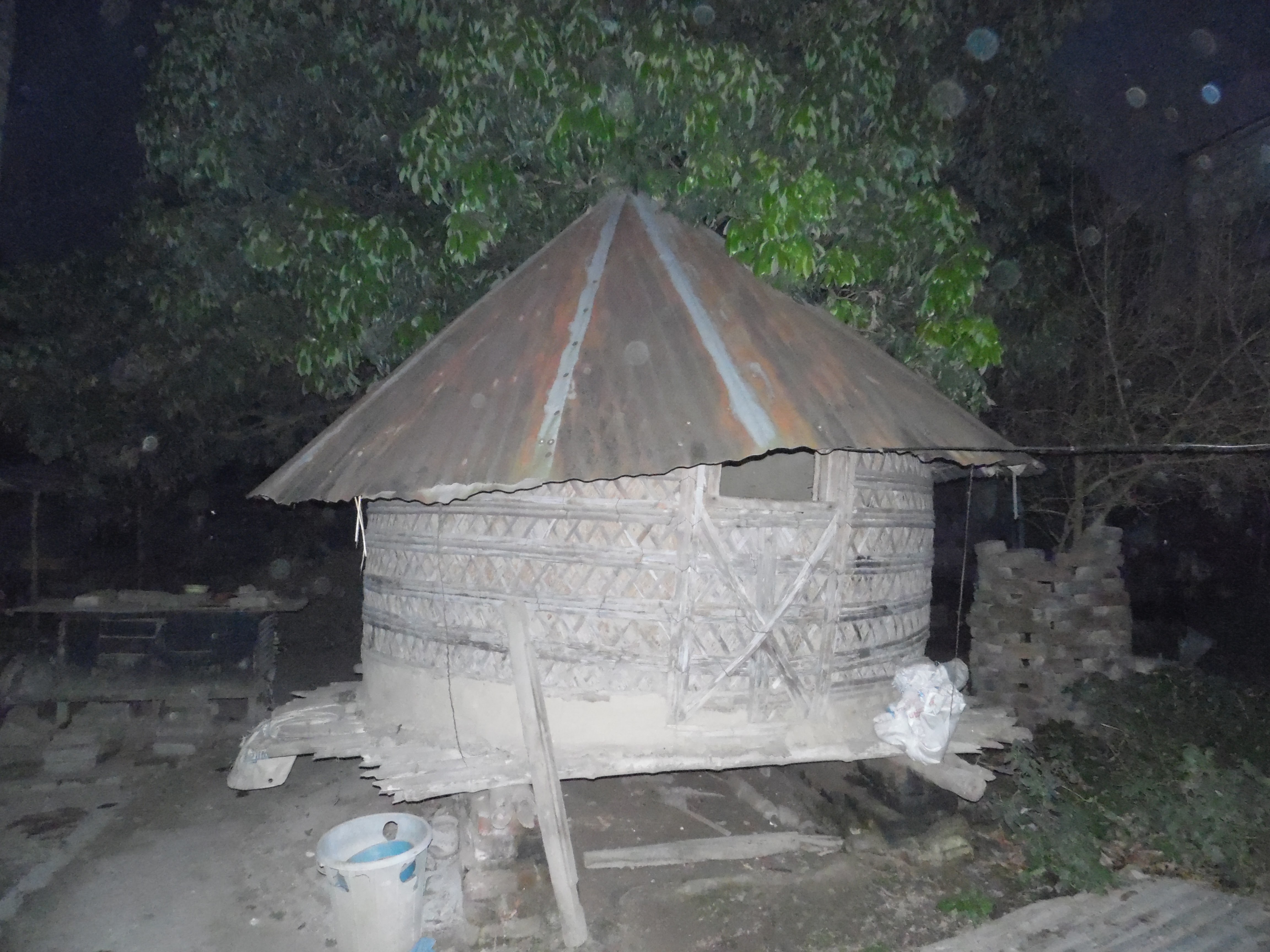
Gangni is an upazila of Meherpur district in Khulna division. It borders India's West Bengal to the west and Kushtia and Chuadanga districts inside Bangladesh. The Bhairab and Kazla rivers run through it, and its economy is mainly agricultural.
Snakebite in Bangladesh and the world
A national survey carried out in 2021 and 2022 and presented at a Directorate General of Health Services event on 18 June 2023 found that about 400,000 people are bitten by snakes in Bangladesh each year and 7,511 die. The Business Standard reported from the survey that 95 percent of the incidents happen in rural areas, that men are four times more likely to be bitten than women, and that about a quarter of the bites are from venomous snakes. At the time no antivenom was produced in the country.
The World Health Organization (WHO) estimates that 5.4 million people worldwide are bitten by snakes each year, with 1.8 to 2.7 million cases of envenoming, and that between 81,410 and 137,880 people die. Agricultural workers and children are the most affected. In June 2017 WHO listed snakebite envenoming as a highest-priority neglected tropical disease and set a goal of halving deaths and disability from it by 2030.
What WHO advises after a snakebite
WHO stresses that an effective treatment exists: the appropriate antivenom, which works best when given as soon as possible after a bite, because many effects of venom cannot be reversed. Antivenoms are on WHO's List of Essential Medicines. The agency also notes that many victims turn to traditional practices rather than hospital care. Its first-aid advice:
- Keep the bitten person completely still.
- Carry them on a makeshift stretcher to medical care without delay; if possible lay them on their side to protect the airway and breathing.
- Do not use narrow tourniquets, cut the wound, apply chemicals such as potassium permanganate or try suction with heated containers; these are dangerous as well as ineffective.
- Do not waste time on remedies such as the "black stone".
To prevent bites, WHO recommends sealing gaps through which snakes can enter homes, carrying a light outside at night, and sleeping on a raised bed under a well-tucked mosquito net, which protects against snakebite as well as mosquito-borne disease.
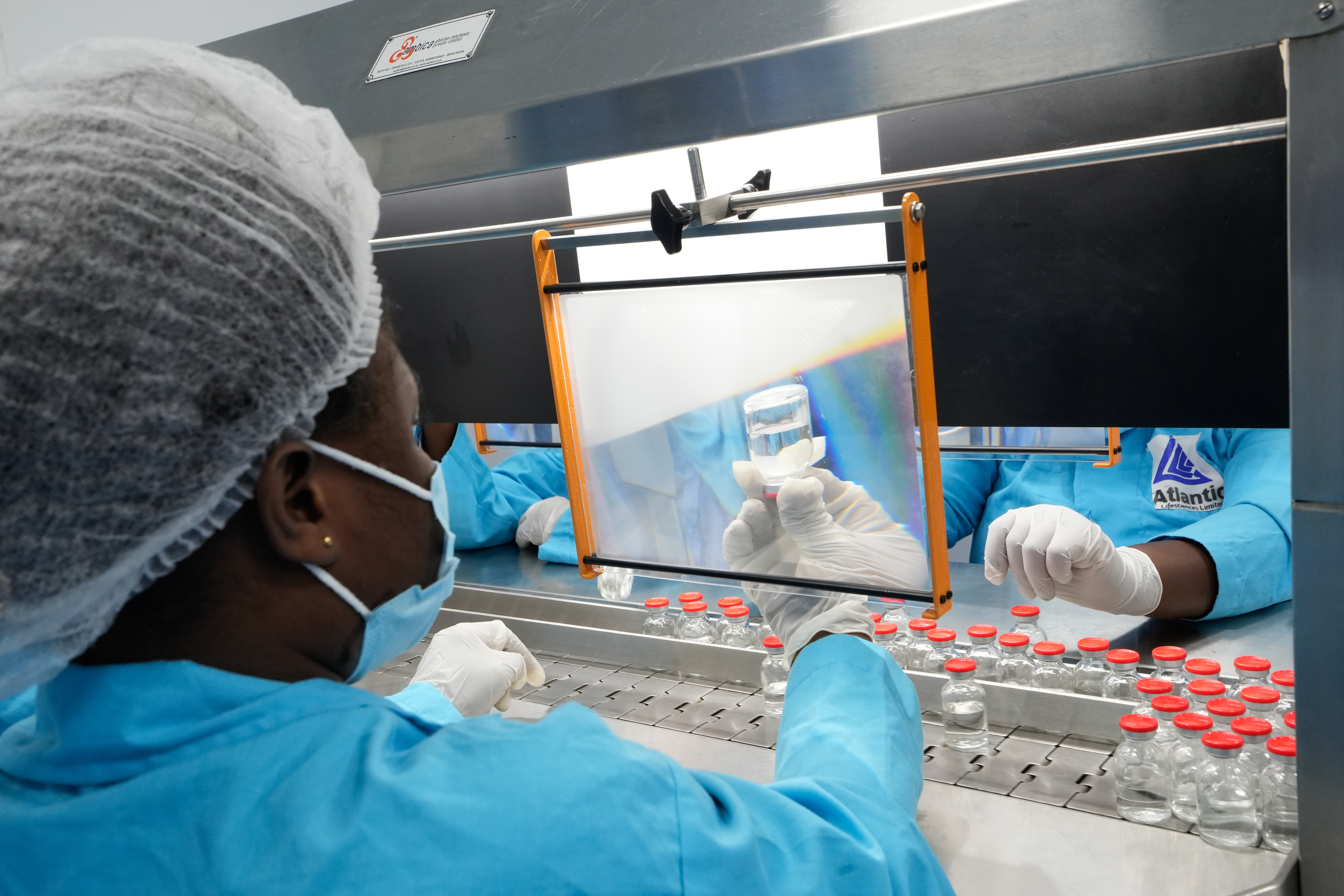
Photo: Holger Krisp / Wikimedia Commons (CC BY 3.0)
Sources: Jagonews24, World Health Organization (WHO), The Business Standard, Wikipedia (Gangni Upazila)



Comments
(0)