
Mymensingh hatchery entrepreneur Nurul Haque has succeeded in research to produce fry of gang magur, a nearly extinct native fish of Bangladesh, after a year of continuous practical work.
A fish that disappeared
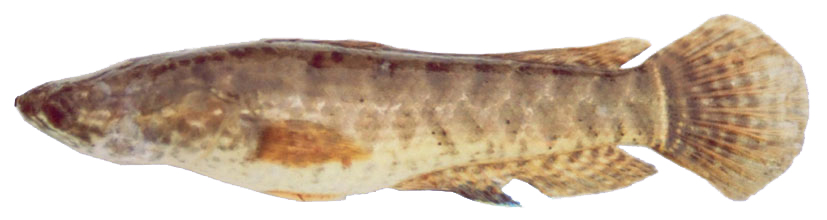
Despite its name, gang magur does not look like magur (walking catfish). It was once found in the haors of Netrokona and Kishoreganj and in Chalan Beel of Natore and Sirajganj, and in some areas it was known as gagor. It is on the list of vanishing species, so a year ago Nurul Haque added it to his fry production research.
First to breed it
Nurul Haque, owner of Brahmaputra Fish Seed Hatchery, said he is the first to breed gang magur. He began collecting the fish in 2014 and learned that Bangladesh Agricultural University also had some. Because the university's facilities were limited, Dr Ali Reza Noor gave him the fish to breed.
He has a record of success in artificial breeding since 1998: he began commercial fry production of local magur in 1998, shing and magur in 1999, pabda in 2000 and local koi in 2002. From that experience he expects gang magur to spread quickly. After breeding success, work is now under way to study its characteristics and behaviour.
Towards farming
If gang magur is to be farmed, it must be trained to eat prepared feed, which improves growth, and selective breeding could raise weight and growth, he said. Local farmers, who last saw the fish 25 to 30 years ago, are hopeful. He hopes fry can reach farmers by the next rainy season, benefiting growers and saving the species.
Source: Shykh Seraj, Hridoye Mati O Manush. First published in Bengali on The Agro News.
Comments
(0)