

Bengal's nature is like a living work of art that changes with the seasons. In the heat of Baishakh the trees hang heavy with juicy mango, lychee and jackfruit; the monsoon brings jamun, custard apple and pineapple; autumn brings guava; and the arrival of winter brings orange, malta, jujube and many other local and foreign fruits, an endless store of nutrition. Behind this abundance lies the hard work and long wait of millions of farmers. In reality, however, a large share of the fruit produced rots before it reaches consumers.
Unplanned harvesting, poor transport, a lack of cold storage and a weak market system all add to this waste. Farmers are denied fair prices, consumers are forced to pay more and the national economy suffers huge losses. So the main debate on agricultural development is now not only about production: preserving fruit and adding value to it are getting more attention by the day. Recent agricultural policy discussions and food security strategies make clear that sustainable farming needs postharvest management and processing to be given equal weight with production, so that farmers get the true value of their work and waste is reduced.
In the past decade Bangladesh has made notable progress in fruit production and is slowly diversifying away from rice-based farming. The country now produces more than 1 crore 30 lakh tonnes of fruit a year and holds an important place in South Asia for mango, jackfruit, banana, guava, lychee, pineapple and papaya. Bangladesh is among the world leaders in jackfruit and one of the main mango producers. New fruits such as dragon fruit, avocado, strawberry and year-round (baromashi) mango are being grown commercially, raising farm incomes, jobs and export prospects. But because preservation and processing lag far behind production, prices collapse in season and consumers pay more once the season ends.
How much fruit is lost
Fruit is a highly perishable product with a water content of 70 to 90 per cent, so after harvest its quality deteriorates quickly through enzyme activity and microbial attack. Postharvest management is therefore now seen as part of production itself, and modern preservation and processing have become essential to narrow the gap between production and consumption. Postharvest management is now indispensable for reducing food waste, ensuring food security, securing fair prices for farmers, expanding industry and jobs, cutting import dependence and using resources efficiently.
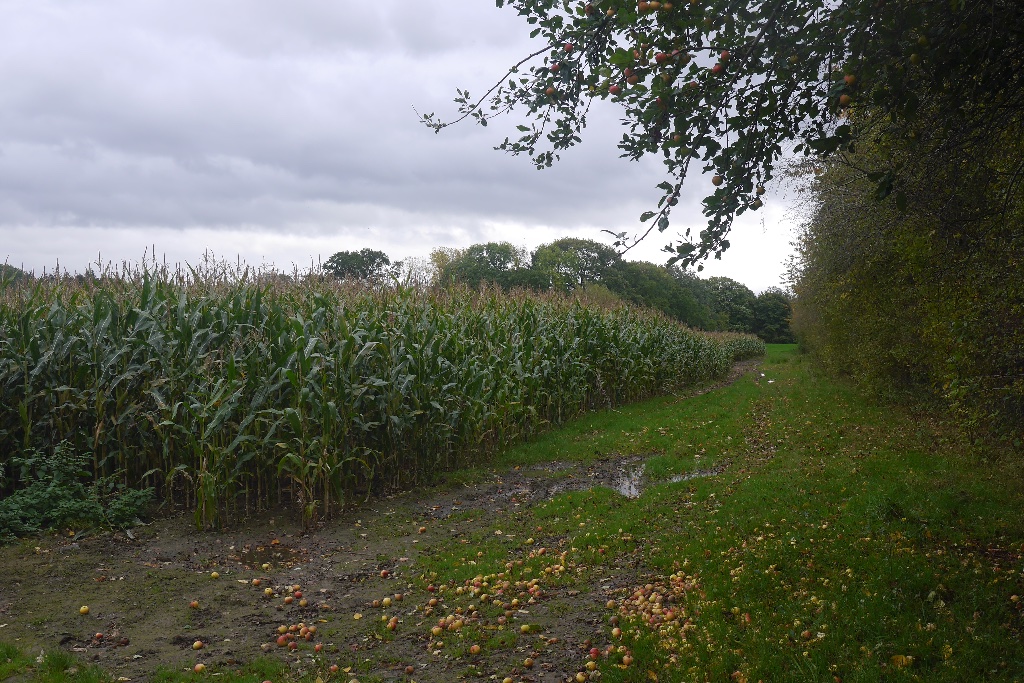
According to the Bangladesh Agricultural Research Institute (BARI), the Hortex Foundation and other studies, 20 to 24 per cent of mango, 30 to 37 per cent of banana, 38 to 43 per cent of jackfruit, 27 to 43 per cent of pineapple, 25 to 35 per cent of guava, about 39 per cent of papaya and 17 to 20 per cent of lychee are lost, and overall 20 to 40 per cent of fruit and vegetables are lost before they reach market. Policy discussions by the Centre for Policy Dialogue (CPD) have put food waste at about 2 crore 10 lakh tonnes a year, a financial loss worth billions of dollars.
Weak cold chains, inadequate packaging and poor market management are the main causes. According to the FAO, food losses in fruit and vegetables exceed 25 per cent worldwide, with an even more serious impact in Bangladesh. Farmers' incomes fall, consumers' costs rise and pressure on the environment increases. Fruit preservation is thus no longer a purely technical matter but an important part of food, economic and environmental policy. Real success will come only when most of the fruit produced is stored safely, marketed with added value and able to secure the country's nutrition and food security.
A new chapter in a fruit's postharvest life begins as soon as it is picked, and proper management decides how long it stays safe and of good quality. Even after it leaves the tree, the fruit's respiration, cell metabolism, enzyme activity and chemical changes continue, so that it slowly ripens and eventually spoils. That is why postharvest management has become so important in modern agriculture.
Cold chain and modern storage
The most effective system for preserving fruit is the cold chain: not just cold stores, but integrated temperature control from harvest until the fruit reaches the consumer. Pre-cooling, air-conditioned warehouses and refrigerated transport working together can extend a fruit's life two to four times and keep its taste, colour and nutritional value for longer. But the cold chain in Bangladesh is still limited. Most cold stores are used for potatoes, leaving too few facilities for fast-perishing fruit such as mango, lychee or guava, so prices fall in season and consumers pay more later.
Controlled atmosphere storage and modified atmosphere packaging also play an important role. In controlled atmosphere technology the oxygen, carbon dioxide and nitrogen in a storage room are adjusted in a controlled way, slowing the fruit's respiration and extending its storage life. In modified atmosphere packaging, special packaging creates a favourable gas environment around the fruit to slow microbial growth and keep quality.
Adding value through processing
Fruit preservation also creates a big opportunity to add value. Drying is a simple and effective method for mango, jackfruit, banana, pineapple, jujube and papaya, and modern dryers and freeze-drying technology improve quality further. Canning and bottling allow mango, pineapple, lychee, pear and mixed fruit to keep for a long time, and juice, pulp and concentrate can be used all year in ice cream, drinks and bakery industries. Jam, jelly, marmalade and pickles need little investment and keep for a long time, making them a promising sector especially for rural women entrepreneurs.
Frozen preservation is also spreading fast. Its advanced form is IQF (individually quick frozen) technology, in which each piece of fruit is frozen quickly and separately, largely preserving taste and nutrition. Strawberry, mango, pineapple and jackfruit can be preserved this way.
Although Bangladesh produces more than 1 crore 30 lakh tonnes of fruit a year, much of it is lost through weak preservation and processing, increasing farmers' losses and destabilising markets. Yet the entrepreneurial potential in fruit processing is very high: if small and medium industries grow, jobs will increase, waste will fall and export demand will rise.
Where the problems lie
In reality, production is no longer Bangladesh's main fruit problem; the challenge begins after harvest. Weaknesses in storage, transport, processing and marketing between the farmer's orchard and the consumer's table create huge waste. The biggest crisis is the lack of modern postharvest infrastructure: there are not enough pre-cooling centres, packhouses, cold stores or refrigerated vehicles, so farmers are forced to sell cheaply and prices swing with the season.
Inefficient harvesting and transport, picking unripe or overripe fruit, a lack of grading and open transport also spoil a great deal of fruit. Poor coordination among farmers, markets and industry, together with limited finance and technology, are major problems too; a lack of long-term low-interest loans and skilled people holds entrepreneurs back.
The government has taken various initiatives to diversify agriculture and develop processing industries, with the Ministry of Agriculture, the Department of Agricultural Extension (DAE), BARI, the Bangladesh Agricultural Development Corporation (BADC), agricultural universities and the Hortex Foundation all working in the field, and investment is growing in economic zones. But an integrated national cold chain has still not been built. Experts say public-private partnerships are essential to set up pre-cooling centres, packhouses, cold stores, laboratories and processing units in every fruit-growing area. At the same time investment is rising in cold chains, frozen food, pulp, juice, jam, jelly, dried fruit and healthy drinks, and e-commerce and supermarkets are driving up demand.
A full value-chain industry
With the number of health-conscious consumers rising worldwide, the market for natural, chemical-free products offers Bangladesh a big opportunity, and export prospects are growing for mango, jackfruit, lychee, guava, pineapple and dragon fruit. To stay competitive, however, the country must ensure food safety, traceability, quality control and a strong cold chain. In future, fruit preservation must be built not as a mere part of agriculture but as a full value-chain industry, in which production, preservation, processing, marketing and export grow stronger together.
The writer is a senior agriculturist, columnist and chairman of the DRP Foundation.
Source: Jagonews24. First published in Bengali on The Agro News.
Comments
(0)