
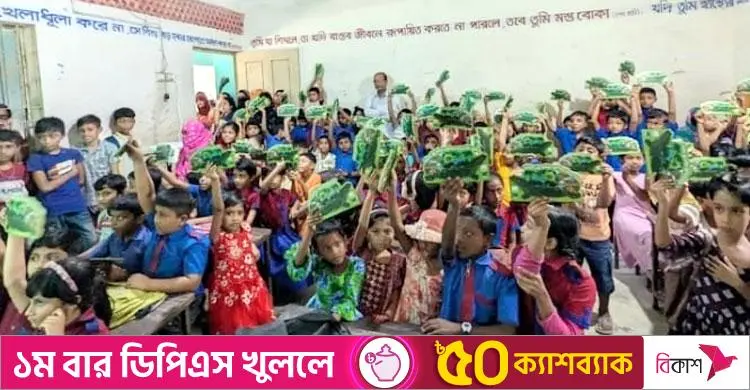
A campaign has begun under the slogan "Turtles are friends of the environment; let them live in nature". It was launched in Satkhira on 2 February by the Wildlife Conservation Society (WCS) and the Forest Department to motivate the public and ensure their participation in conserving endangered freshwater turtles and tortoises. The campaign will move in phases through Gopalganj, Madaripur and Khulna until 13 February. Because of illegal hunting, trade and consumption as food in these districts, all species of turtle and tortoise in Bangladesh are at risk of extinction.
Between 2012 and 2024, various media reported the illegal sale and smuggling of more than 34,000 turtles and tortoises. As a result, Bangladesh has been labelled a global hotspot for turtle and tortoise trafficking. In our country, almost every species faces extinction because of hunting, trafficking, habitat loss and consumer demand.
Hotspots of trade and consumption
Since 2022, under a project funded by the UK's Department for Environment, Food and Rural Affairs, hotspots of turtle and tortoise trade and consumption have been identified through media analysis and market surveys. A survey of the knowledge, attitudes and practices of non-Muslim communities was carried out in eight districts: Dhaka, Gazipur, Gopalganj, Madaripur, Jashore, Khulna, Bagerhat and Satkhira. It found high levels of turtle and tortoise trade and consumption in Satkhira, Khulna, Madaripur and Gopalganj. In these four districts, about 50 percent of the households surveyed had eaten turtle or tortoise meat at least once in the previous year.
The research found that almost all consumers and traders of turtles and tortoises were unaware of the health risks, the legal restrictions, and the ecological or cultural importance of the animals. To change this, WCS has launched a distinctive educational campaign to reduce demand for turtles and tortoises among non-Muslim communities in Satkhira, Khulna, Gopalganj and Madaripur.
Through discussions with local communities, some key messages and actions have been added to the campaign, such as:
- the health risks of eating turtles and tortoises;
- the restrictions on turtles and tortoises under the wildlife protection law;
- the ecological and cultural importance of turtles and tortoises.
The campaign includes door-to-door outreach, radio programmes, announcements by loudspeaker, film screenings, school programmes, turtle races, pot song performances and discussions with religious leaders, along with the distribution of posters, stickers and leaflets on why and how to conserve turtles and tortoises.
Launch in Tala
The campaign began on the afternoon of 2 February at Tala Brojen Dey Government High School. It was inaugurated by Md Sanaullah Patwari, director of the Bangladesh Forest Department's Wildlife Crime Control Unit, with Satkhira district fisheries officer G M Selim in the chair.
In his welcome speech, WCS Bangladesh country director Dr Md Jahangir Alam said 26 of Bangladesh's 30 species are already at risk of extinction and face new threats every day. These species must therefore be protected by reducing consumer demand and strengthening law enforcement, and everyone, including non-Muslim communities, must come forward, he said.
Md Sanaullah Patwari, director of the Wildlife Crime Control Unit, said: "Protecting Bangladesh's turtles needs a collective effort. I call on the government, journalists, religious leaders and all citizens to work together. Conserving these species means not only conserving them but protecting our heritage."
District fisheries officer G M Selim stressed the importance of local community participation in conserving turtles and tortoises. He said: "Not disturbing or hunting them in their natural environment, not eating them, and not destroying their habitats such as ponds and water bodies are extremely important for protecting these species."
Source: Jagonews24. First published in Bengali on The Agro News.

Comments
(0)