
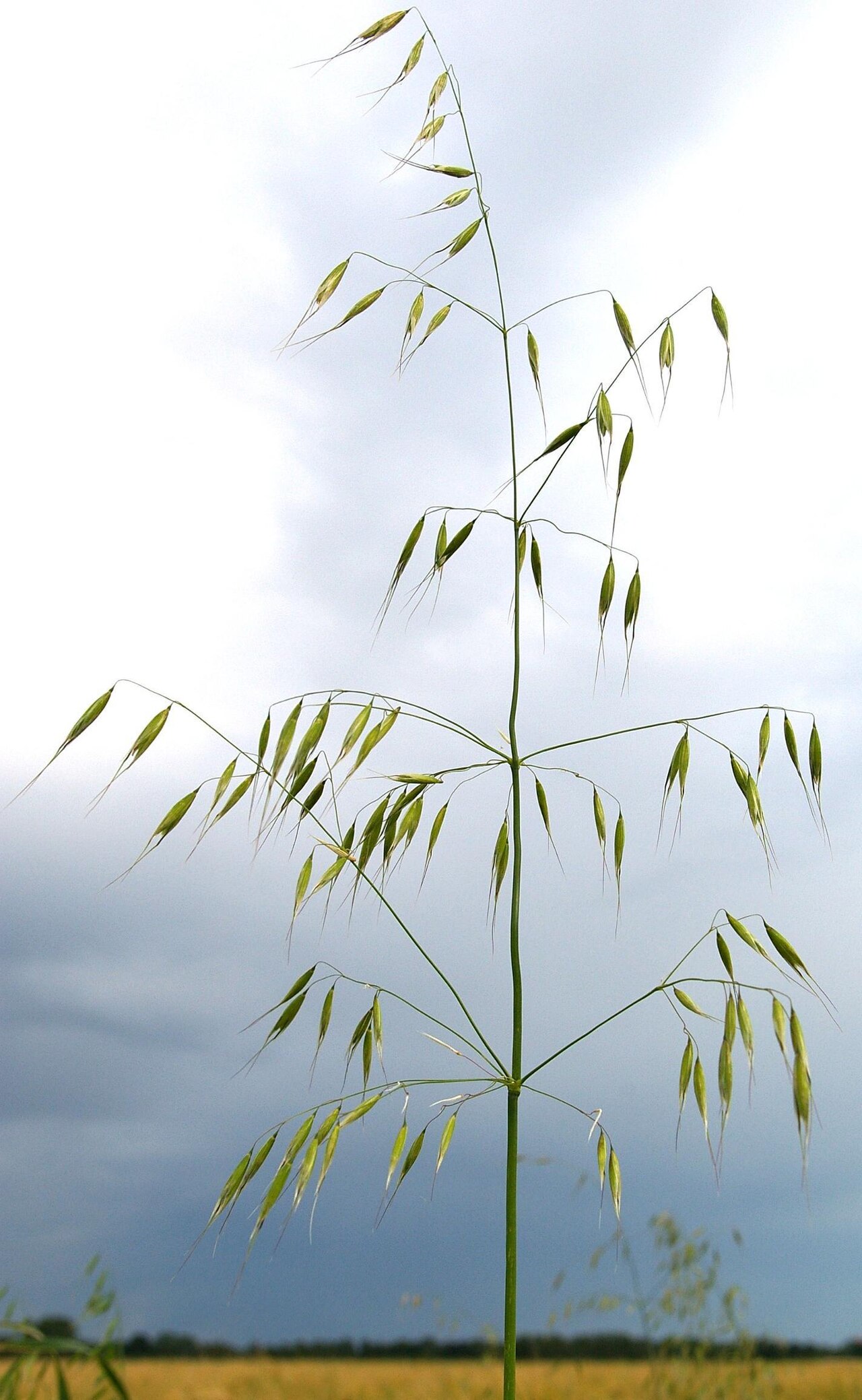
France's agriculture ministry has granted a 120-day emergency exemption for triallate, a soil-applied herbicide made by the US company Gowan and used mainly against wild oats and other grass weeds in cereals. The exemption took effect around 23 September 2026 and runs to 21 January 2027 for weed control in winter barley.
The national food safety agency, Anses, had rejected triallate under the same emergency procedure in 2018 and 2023, citing an unacceptable risk that its breakdown product, diisopropylamine, could exceed drinking-water thresholds, along with concerns about DNA damage and harm to aquatic life and non-target insects. The ministry relied instead on triallate's EU-level approval as an active substance, which runs until March 2027.
It cited an absolute necessity for barley threatened by weeds, after the grain growers' association AGPB asked for the exemption, arguing that resistance to other herbicide modes of action has left few effective options against grass weeds in winter barley. Agriculture minister Annie Genevard had backed the idea as early as 26 May.
The environmental groups Generations Futures and France Nature Environnement said they would file an emergency legal challenge, calling the decision irresponsible and saying the derogation route is being used to bring back products that safety reviews found too risky.
It is France's second pesticide reversal this year: in September the government separately allowed limited use of the neonicotinoid acetamiprid, a different molecule approved by a different legal route.
Photo: Christian Fischer / Wikimedia Commons (CC BY-SA 3.0)
Source: Global Agriculture


Comments
(0)