
Foreign investors held or leased about 47.24 million acres of US agricultural land in 2024, or 3.6 percent of privately held farm and forest land, according to USDA data analysed by American Farm Bureau Federation economist Colter Brown and published by Northern Ag Network. That is about 2.34 million acres, or roughly 3 percent, more than the 44.9 million acres of 2023, and about 90 percent more than the 24.8 million acres of 2010, though the pace has slowed.
The figures come from reports that foreign entities must file under the Agricultural Foreign Investment Disclosure Act of 1978 with USDA's Farm Service Agency. Penalties reach 25 percent of the land's fair market value, but the system relies on self-reporting and enforcement has been limited; USDA has proposed broadening what must be reported and raising penalties. Leases of 10 years or more count, so a foreign-held acre is not always a foreign-owned one.
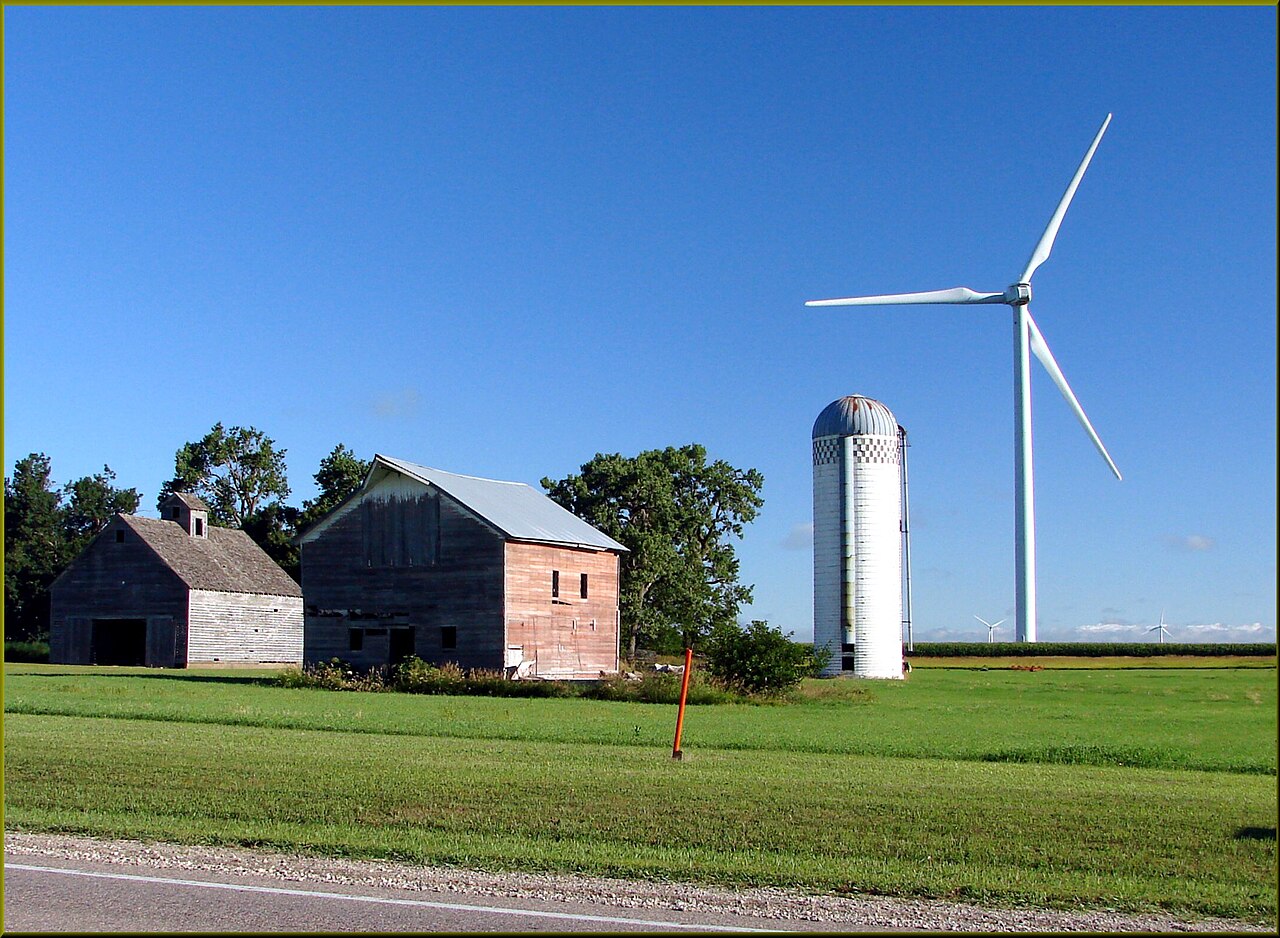
Land use matters. Forestland made up about 22.2 million acres, nearly half the total, and cropland about 13.7 million, the rest mostly pasture. Companies whose names include terms such as wind, solar, renewable or energy accounted for 14.2 million acres in 2024, up from 2.9 million in 2010. USDA reports that less than 1 percent of land tied to foreign wind companies is owned outright, and most keeps the same operator after the lease is signed.
Canadian investors hold 16.1 million acres, about a third of the total, after adding roughly 781,000 acres in 2024. Investors from the Netherlands, Germany, Italy and the United Kingdom hold another 12.8 million acres. Chinese investors held about 245,000 acres, down about 30,000 acres or 11 percent from 2023, equal to 0.02 percent of private US farmland, though the analysis notes that location and use matter more than acreage for security concerns.
Texas has the most foreign-held land at 5.9 million acres, and Maine the highest share of its private agricultural land at 21.3 percent, nearly all timber. Thirty-four states gained foreign-held acreage in 2024 and 12 lost it; New Mexico, Texas, Oklahoma, Oregon and Mississippi gained most, while North Carolina fell by 181,000 acres when one foreign timber company reduced its holdings.
For farmers and ranchers, the analysis concludes, the bigger question is how long-term energy leases reshape land use and competition for ground in their communities, which makes accurate, enforced reporting essential.
Photo: Don Graham (wind turbines in an Iowa cornfield) / Wikimedia Commons (CC BY-SA 2.0)
Source: Northern Ag Network
Comments
(0)